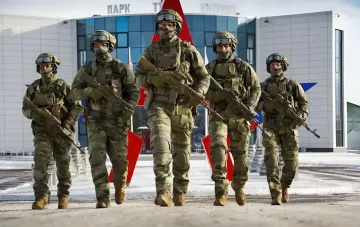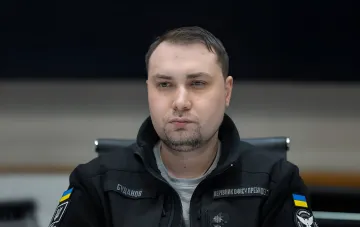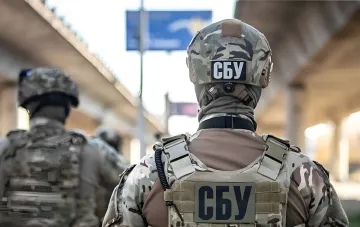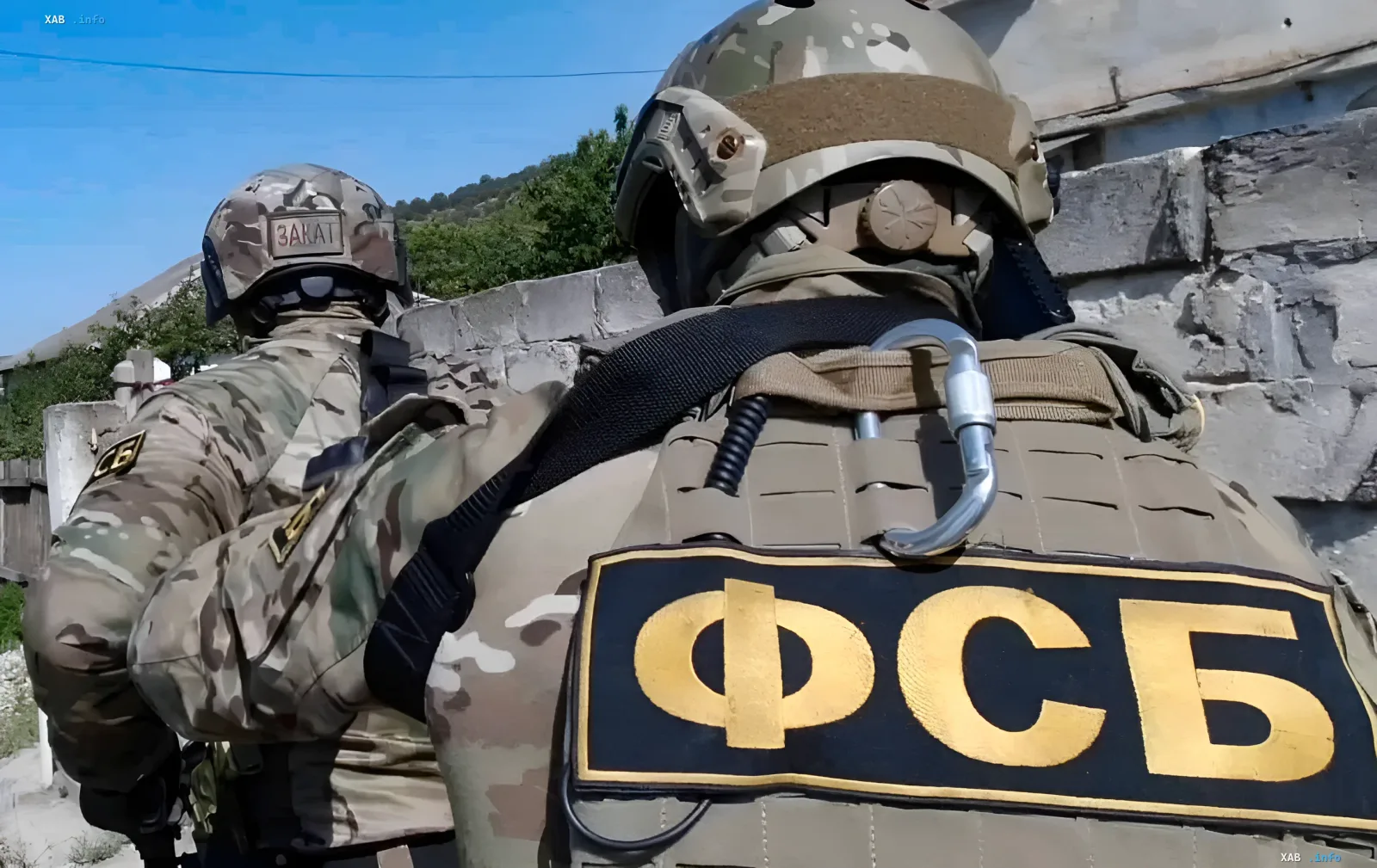
In Kyiv, it was stated that the Main Directorate of the General Staff of the Armed Forces of the Russian Federation (GRU) is behind a series of sabotage acts, assassination attempts, and explosions at military facilities in European Union countries. This was announced by Andrii Kovalenko, head of the Counter-Disinformation Center at the National Security and Defense Council of Ukraine, as reported by RBC-Ukraine. According to him, several Russian military intelligence special units are operating abroad, carrying out systematic sabotage and agent activity against Europe and Ukraine.
Who in Russia Is Responsible for Sabotage in Europe
According to the NSC's assessment, the key player is so-called Center 795 — a structure that, it is claimed, reports exclusively to the Chief of the General Staff of the Russian Armed Forces, Valery Gerasimov. It is he, according to Kovalenko's statement, who personally compiles reports on this unit's activities for Vladimir Putin. Thus, Kyiv points to a direct chain of command: from the operational unit through the Chief of the General Staff to the head of state.
Systematic Assassination Attempts in Ukraine
The statement emphasizes that Russian security services are not for the first time attempting to eliminate Ukrainian officials, military personnel, and heads of strategic enterprises. The Security Service of Ukraine and law enforcement agencies, it is noted, systematically carry out special operations to prevent such assassination attempts, indicating the regular rather than isolated nature of the threats.
Chronicle of Prevented Assassination Attempts
A number of recent episodes are cited as illustration. On August 26, 2026, the SBU and the National Police prevented a terrorist attack against the head of one of the defense industry enterprises in Kyiv Oblast. In May 2026, a hitman was detained in Odesa who, according to law enforcement, was acting on the orders of Russian security services and attempted to kill a high-ranking official of the Ukrainian Navy on the "anniversary of May 9." In April 2026, an FSB agent was unmasked in Kyiv who was preparing an assassination attempt on one of the heads of the Federation of Employers of Ukraine; the perpetrator faces life imprisonment.
Reaction of Western Partners
The context of Russian security services' sabotage activity in Europe is also confirmed by the actions of Western countries. Thus, the EU and the UK synchronously imposed sanctions on FSB hackers linked to sabotage in Europe, and in Britain, long prison terms now threaten those with ties to the GRU volunteer corps. These measures indicate that the confrontation with Russian security services has become a systemic element of Western security policy.
Contradictory Data
At the same time, there is a discrepancy in the sources regarding the attribution of responsibility. The NSC statement directly links the sabotage in the EU to the GRU and its Center 795, whereas in the listed Ukrainian assassination episodes, FSB agents and the general formulation of "Russian security services" are also mentioned. The EU and UK sanctions, in turn, are primarily aimed at FSB hackers. In other words, the question of "exactly who" — the GRU, the FSB, or a combination of the two — varies depending on the incident and the source, and a single publicly verified chain of command for all the listed operations is not presented in open data.