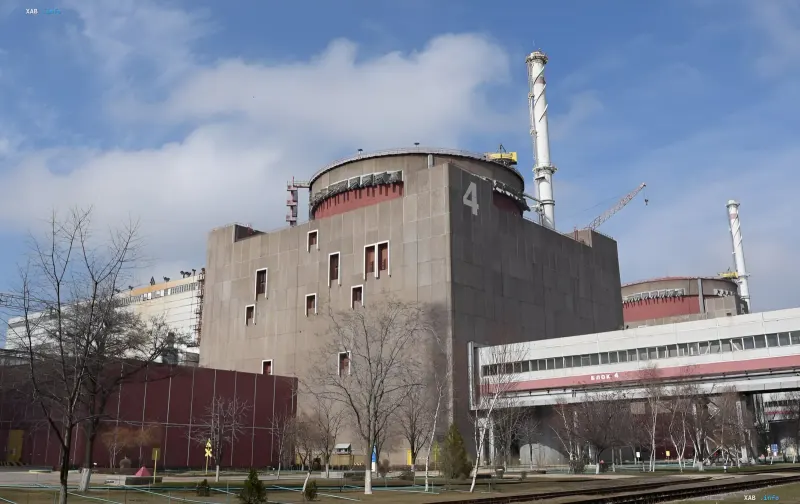
Nuclear and radiation safety regulatory bodies from 38 countries issued a joint statement on Monday, November 16, warning of an increased risk of a nuclear accident in Ukraine during the upcoming winter period. According to their assessment, the primary threat is posed by ongoing Russian strikes on the country's energy infrastructure — not only power plants but also the transmission lines and substations that ensure the safe operation of nuclear facilities. In the appeal, regulators called on Russia to immediately cease attacks on Ukraine's nuclear sites and the energy infrastructure necessary for their safe operation.
The nature of the threat
The international regulators' central concern is that power supply interruptions are making it increasingly difficult for Ukrainian nuclear power plants to maintain proper cooling of nuclear fuel. If the cooling system fails to operate normally, it could lead to a reactor core meltdown and the release of radioactive substances into the atmosphere. The statement explicitly points out that such a scenario could have consequences reminiscent of the 1986 Chernobyl disaster — the largest civil nuclear accident in history, when radioactive isotopes of iodine-131, cesium-134, and cesium-137 spread across territories of Ukraine, Belarus, Russia, as well as northern and central Europe.
Who initiated the appeal
The joint statement was initiated by three specialized organizations: HERCA (Heads of the European Radiological Protection Competent Authorities), WENRA (Western European Nuclear Regulators Association), and NORA (Nordic Nuclear Safety and Security Authorities). Together, they represent 38 states, including all European Union countries, as well as the USA, the UK, Canada, and Japan. Thus, the warning reflects the position of virtually the entire Western regulatory community in the field of nuclear safety.
Context: attacks on the energy grid and new tactics
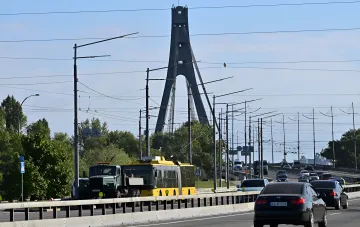
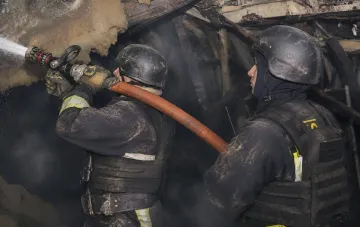
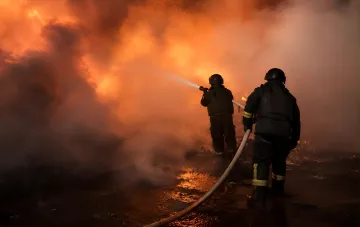
The statement comes against the backdrop of a series of recent attacks. On November 7, Russia struck Ukraine's energy infrastructure: according to President Volodymyr Zelenskyy, substations connecting the Rivne and Khmelnytskyi nuclear power plants to Kyiv and central regions were targeted in the Kyiv region. Furthermore, on November 4, Ukrainian NPPs were forced to reduce power output due to electrical grid damage resulting from Russian strikes. According to experts, in recent weeks, drones with heavier warheads and more precise guidance systems have been used for the strikes, which, in their assessment, has further increased the threat to the plants' energy hubs.
Why winter is critical
Regulators emphasize that Ukraine's energy system is already weakened by the long-running war, and the winter period is traditionally the most strained for power grids due to peak demand for heat and electricity. Under these conditions, any damage to lines and substations increases the probability of losing external power supply to nuclear plants, which is critical for the functioning of cooling systems. The combination of these factors, according to international regulators, makes the coming winter a period of heightened risk and justifies the call for an end to strikes on energy infrastructure.