A fundamental shift is taking place in Europe's security architecture. Germany and France have embarked on unprecedented military cooperation in the sphere of nuclear deterrence. Berlin has officially agreed to participate in exercises of the French strategic forces, marking a historic moment for both nations.
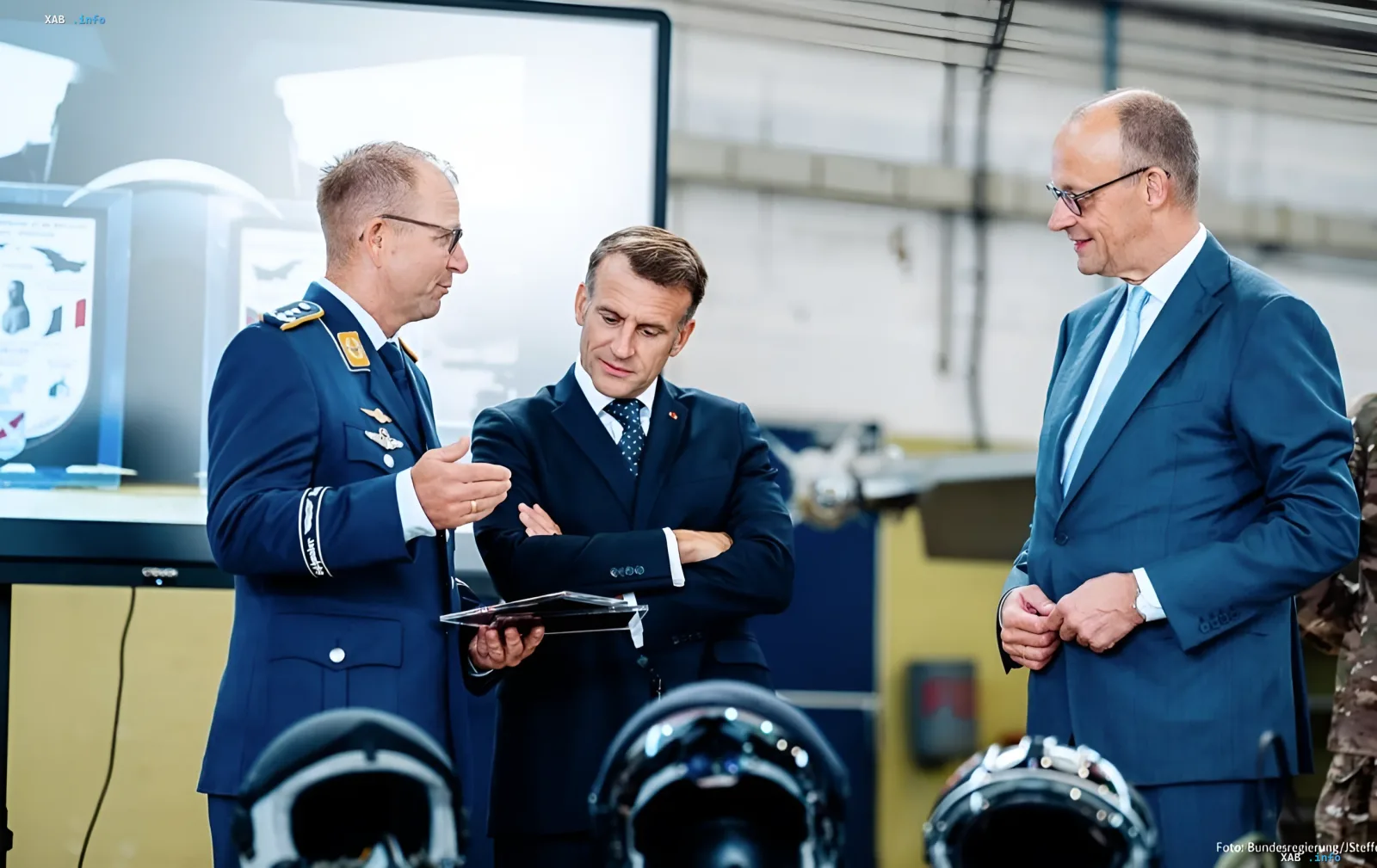
This decision was announced by German Federal Chancellor Friedrich Merz and French President Emmanuel Macron. According to the German leader, for the first time in history, the Federal Republic of Germany has supported Paris's initiative regarding nuclear security, recognizing the need to join forces against the backdrop of growing threats from Russia.
The Essence of the New Alliance
It is important to understand the boundaries of this partnership. The new format does not mean that Germany will gain access to French nuclear warheads or begin financing its neighbor's nuclear program. President Macron clearly outlined the priorities: the French nuclear arsenal remains fully sovereign.
"France has always financed its nuclear forces independently and will continue to do so," emphasized the French leader.
Germany's contribution to this operation consists of providing conventional forces: aircraft and personnel. Funding from German taxpayers will be directed exclusively towards supporting their own army during joint operations.
The First Joint Mission
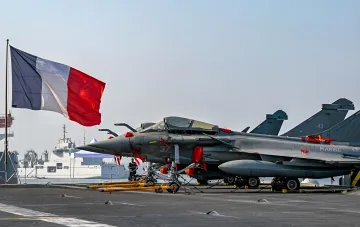
The leaders' words were backed by action. Recently, the first joint operation took place in the skies over Europe. The French Strategic Air Command and the German Air Force demonstrated coordinated action, working as a single mechanism.
Nuclear weapons were not used during the maneuvers; this was a technical check of interoperability. The exercise program included complex elements:
- Aerial refueling of aircraft from tankers.
- Execution of planned tactical maneuvers by fighter jets.
- Joint landing at the German airbase in Nörvenich.
Rejection of the Past and Challenges of the Present
History knows precedents where Berlin refused such steps. A decade ago, Charles de Gaulle offered the FRG protection under the French nuclear umbrella, but the Germans did not go along with it at the time, as the geopolitical situation was different.
Today, Chancellor Merz explained the change in course as a necessity for new responses to modern challenges: "The world we live in today needs new answers. That is why we participated in French nuclear deterrence exercises for the first time, involving conventional forces, to determine how to achieve our common goal — strengthening deterrence in Europe".
Expanding the Circle of Partners
Germany is not the only country re-evaluating its approach to nuclear security. Recently, Poland and France held the first meeting of a nuclear cooperation group in Paris, aiming to strengthen defense partnership.
In Europe, non-nuclear states are increasingly taking steps to change their status following the start of the RF's aggression against Ukraine. A striking example is the recent statement by the President of Lithuania regarding the abolition of the constitutional ban on the deployment of nuclear weapons on the country's territory.