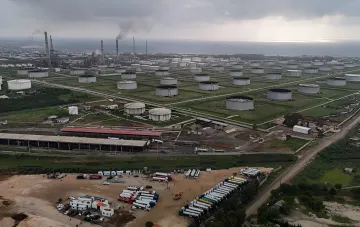
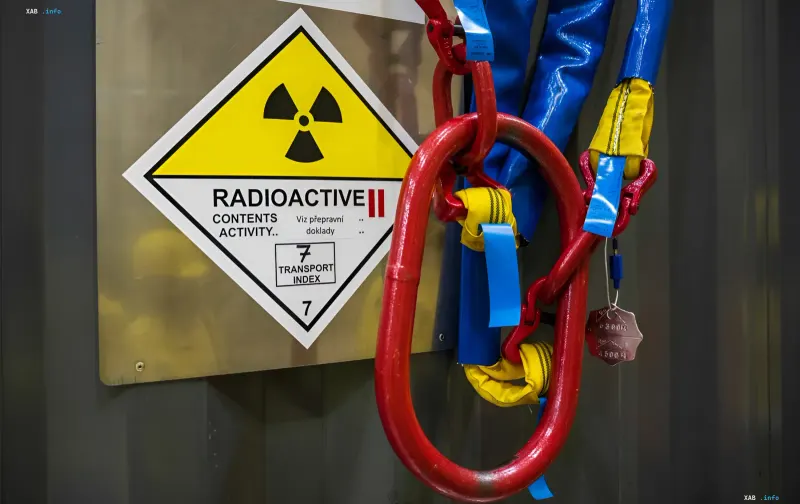
US nuclear power, which forms the backbone of about 20% of the country's total electricity generation, has found itself in a situation of critical dependence on Russian supplies. Despite geopolitical tensions, in 2025, US nuclear plant operators purchased approximately 3.28 million separative work units (SWU) in Russia. This accounts for nearly 26% of total US purchases, a significant increase compared to figures from a decade ago, when Russia's share was only 17%.
Sovereignty Crisis and Energy Demand
The situation is exacerbated by the fact that 77% of the uranium enrichment services required by US nuclear plants are imported from abroad. Meanwhile, only 7% of nuclear fuel is produced from raw materials mined directly within the US. Russia remains the largest single supplier in this market.
The vulnerability of the energy system becomes particularly acute against the backdrop of a new wave of industry development. Washington is actively promoting the revival of nuclear power, driven by colossal demand for electricity from data centers and the general electrification of the economy. Utilities are trying to extend the lifespan of existing reactors and restart idled plants, while developers of small modular reactors (SMRs) are seeking fuel supply guarantees for the next decade.
Legislative Deadlock and Political Risks
The complexity of the situation is compounded by legislative contradictions. The 2024 Act formally bans the import of Russian uranium, yet contains a loophole: the US Department of Energy has the authority to grant exemptions if alternative supplies are unavailable or if the import is deemed to be in the national interest. These powers are valid until January 2028.
This system creates a unique political vulnerability. Fuel supplies depend on a dual factor: US exemption permits and Russian export licenses. This leaves US companies at the mercy of any further deterioration in relations between Moscow and Washington.
Gaps in New Capacity
Although projects to create domestic production of enriched uranium are already underway, they cannot fill the supply gap in the short term:
- The Urenco USA plant (a consortium of the UK, Netherlands, and Germany) will only begin significant capacity expansion in early 2027.
- Major projects by Centrus Energy and Orano will not come online before 2029.
Thus, over the next two years, the US will be forced to balance between sanctions pressure and the need to keep reactors running.
Escalation of Pressure
The backdrop for this energy dilemma is set by hardline rhetoric in Washington. Secretary of State Marco Rubio has stated the US is ready to intervene in the course of the war as soon as a real opportunity to achieve a peace agreement arises. Simultaneously, new packages of restrictions are being discussed. Reports suggest Graham's "hellish sanctions" could be more painful than European ones, and a new tough US sanctions package is expected to be adopted as early as September 2026. On July 28, the US Senate supported a bill to tighten sanctions against Russia and Iran, co-authored by the late Republican Senator Lindsey Graham.