The scandal surrounding Nvidia CEO Jensen Huang has ceased to be merely a corporate story and has turned into a systemic risk for the entire American artificial intelligence industry. According to experts, the situation threatens the U.S. position in a key technological field and objectively plays into the hands of Chinese competitors. However, the reaction from Chinese companies does not look like a triumph: on the contrary, they have become notably more active in trying to rent computing power on Nvidia hardware outside the PRC, fearing that Washington, in the wake of the scandal, will tighten export restrictions and close existing loopholes in the regulations.
Confessions, Subordinates, and Stock Market Crash
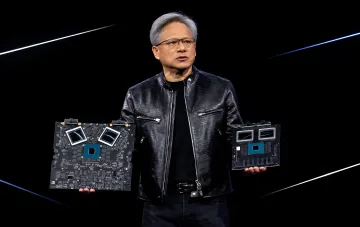
The central element of the scandal is Jensen Huang's admission that he had an extramarital affair with Singaporean entrepreneur Alice Huang, who is suspected of working for Chinese intelligence. Additionally, some former Nvidia employees claimed that the company's head maintained a relationship with his subordinate, Nvidia Vice President of Healthcare Kimberly Powell. The market reacted instantly: Nvidia shares plummeted by 8%, and the company's market value shrank by approximately $300 billion—a sum exceeding the market capitalization of the world's largest investment banks, Morgan Stanley and Goldman Sachs.
Risk of Leadership Change and Consequences for the AI Accelerator Market
The Nvidia board of directors may hold a meeting in the near future, and it is not ruled out that Jensen Huang may step down. There is no clear successor, and Nvidia holds a dominant share in the global AI accelerator market. Under these conditions, experts warn that the U.S. position in the AI industry is at risk of being severely shaken. It is logical to assume that China is the main beneficiary of the scandal as it continues to invest heavily in AI technologies, but as analysts note, there is no simple or clear answer to this question.
Chinese Reaction: Not Jubilation, but Fear of Being Left Without Chips
Chinese companies operating in the AI sector have increased efforts to rent computing power based on Nvidia AI accelerators outside the PRC. They are worried that the scandal surrounding the Nvidia CEO might prompt Washington to tighten restrictions on the remote use of advanced hardware, thereby closing a loophole in export control rules. One of China's major cloud providers discussed the possibility of securing access to foreign capacities based on Nvidia chips; several other companies have already contacted data center operators to reserve such resources. Smaller AI development labs are also considering similar steps—specifically, reaching out to major providers in Southeast Asia.
Legislative Factor: The RASA Bill
One of the key risk factors is the adoption of the Remote Access Security Act (RASA). The document could empower the U.S. Department of Commerce to regulate remote cloud access to technologies subject to export restrictions. The House of Representatives approved it back in January—by 369 votes to 22—and the bill is now awaiting review in the Senate. Its passage would effectively deny Chinese companies the ability to bypass restrictions by renting foreign cloud services powered by Nvidia chips.
Who Wins in the End
Thus, the scandal around Nvidia paints a dual picture: on one hand, it weakens the American leader in the AI race and creates a window of opportunity for Chinese competitors; on the other, this is the very window that Chinese companies are scrambling to use before it is closed by stricter export controls. The final balance of power, according to experts, will depend on how quickly Washington revises remote access rules and whether it passes the RASA bill, as well as whether Nvidia maintains stable leadership in the face of a potential resignation of its CEO.