
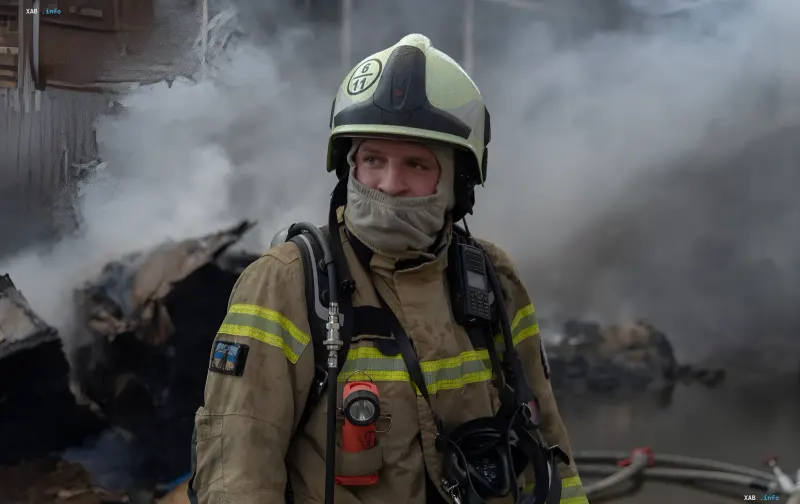
The morning of Thursday, September 4, 2026, in Odesa began with an enemy attack. According to information provided by RBC-Ukraine, citing the head of the Odesa City Military Administration, Serhiy Lyssak, one person was killed and three others were injured as a result of the strike. Initially, authorities had information about three injured people, who were promptly provided with the necessary medical assistance; later, the death of one person was confirmed, prompting the head of the military administration to express his condolences to the deceased's relatives and loved ones.
Damaged residential buildings and vehicles
In one of the city's districts, residential buildings and parked vehicles were damaged as a result of the morning strike. All relevant services are working at the scene: the area is being inspected, the consequences of the attack are being documented, and an operational headquarters has been set up to coordinate assistance to the injured. Officials emphasize that the situation is under control, although the exact list of destruction and the final data on the consequences are still being clarified as of the time of publication.
Chronicle of the strikes: three days in a row under fire
The September 4 attack was already the third in the past three days. On the night of September 3, the Russians again struck the city: the number of injured rose to 17, including three children, and that same morning the enemy hit a multi-story residential building, injuring eight more people. Earlier still, on the night of September 2, Odesa came under a massive strike — a high-rise building, offices, and educational institutions were damaged, power outages occurred across the city, and a child was among the injured. This sequence of attacks indicates the systematic nature of the shelling of the city's infrastructure.
Context: strikes on civilian infrastructure
Related reports indicate that, within the framework of the ongoing strikes on Odesa Oblast, the enemy is targeting not only residential areas but also facilities linked to food warehouses and energy infrastructure. This increases the load on city services and worsens the humanitarian consequences: power outages, housing damage, and a rising number of injured, including children, have become a recurring scenario. For residents, this means the need to follow safety rules and comply with the instructions of local authorities.
Contradictory data
In open sources, the figures for the injured and killed change as information comes in: on the morning of September 4, three injured were initially reported, after which one death was confirmed. The discrepancies in the figures between the nighttime and daytime reports for September 2–4 (ranging from 8 to 17 injured at various points) reflect not a contradiction of versions, but the sequential updating of data as services work at the scene. The final official summary of the attacks is still being compiled at this time.