In the Odesa region, a critical increase in emergency situations within power grids has been recorded, driven by the consequences of recent strikes on energy infrastructure. According to official data, the frequency of breakdowns has risen 15-fold compared to pre-strike levels, threatening the stability of power supply in the region ahead of winter freezes.
Causes of Rising Failure Rates
Specialists identify the mass simultaneous activation of high-power household appliances after power outages as the primary destabilizing factor. Consumers, attempting to warm homes, cook food, or charge devices as quickly as possible, create sharp consumption spikes that damaged infrastructure cannot handle.
Recommendations for Energy Consumption
Power engineers are urging residents to follow protocols for gradual load restoration. Specifically, they emphasize the need to activate electric heating systems in stages, which will help reduce the likelihood of protective systems tripping and prevent recurring emergency outages at distribution nodes.
Situation in Other Regions of Ukraine
Power supply issues are systemic. As of November 24, 2026, emergency power cuts continue in the Dnipropetrovsk region, affecting the Dnipro, Pavlohrad, Synelnykove, and Samarivskyi districts. Nationwide, scheduled restriction graphs are set to be applied on November 25, which, despite partial relaxation, will remain round-the-clock in several oblasts.
Significance of the Current Energy Situation
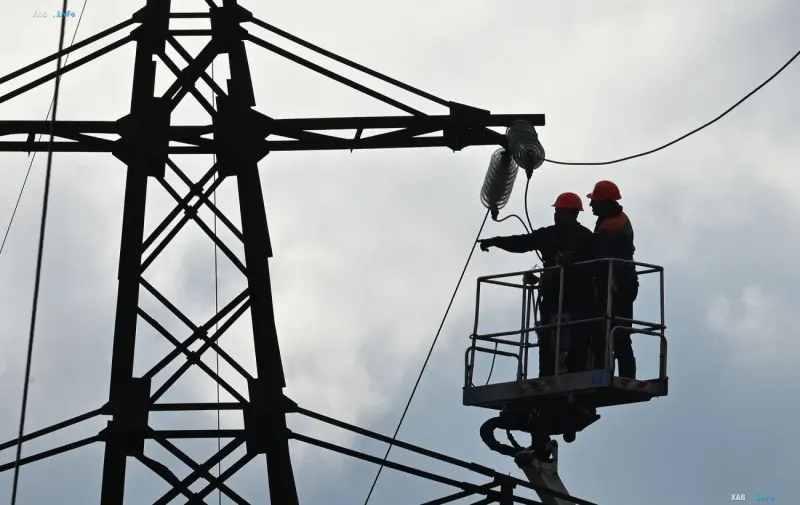
The current situation highlights the critical vulnerability of Ukraine's distribution networks under the combined impact of external strikes and peak household loads. Future power stability will depend not only on repair intensity but also on consumer discipline, as grid overloads under current conditions can negate the efforts of emergency crews.