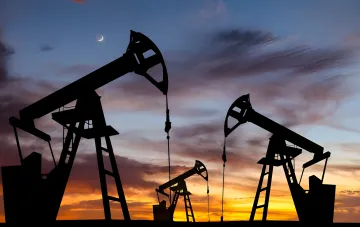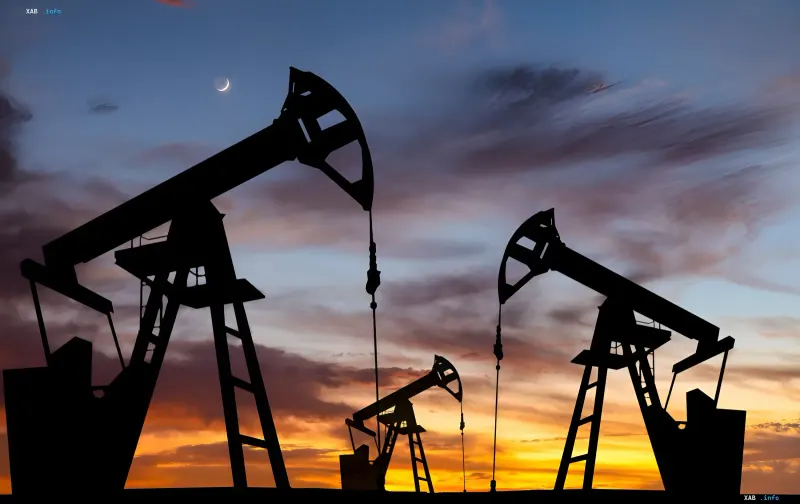
Global energy markets have been hit by a new wave of geopolitical instability. Oil prices are showing steady growth, reacting to the escalation of the conflict between the US and Iran, as well as threats from Yemeni Houthis. Investors fear serious disruptions in global supply chains, which has immediately reflected in the quotes.
Prices hit records amid military action
Brent crude futures added $1 to their value, representing a 1.1% increase. The cost of one barrel reached $92.01. West Texas Intermediate (WTI) crude also showed positive dynamics, rising by 82 cents, or 1.0%, to $85.16 per barrel.
This rise continued a trend that began on Tuesday, when quotes reached a five-week high. The trigger for the growth was US airstrikes on military facilities in southern and western Iran, as well as retaliatory Iranian attacks on US bases in Bahrain, Kuwait, and Jordan.
Blockade of sea routes: new routes and old threats
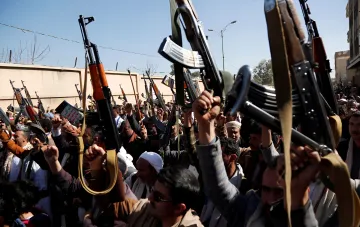
The situation is exacerbated by the actions of the Yemeni Houthis, supported by Iran. The militiamen have opened a new front in the conflict, threatening to attack ships transporting Saudi oil through the strategically important Bab el-Mandeb Strait. Moreover, the Houthis have announced their intention to impose a naval blockade on Saudi Arabia.
The Bab el-Mandeb Strait, located at the southern entrance to the Red Sea, has become a critical route for energy exports from Saudi Arabia. This happened after traffic through the Strait of Hormuz sharply decreased due to the breakdown of the ceasefire between Washington and Tehran.
Changes in logistics carry serious economic consequences. Tankers will have to enter and exit the Red Sea through the Suez Canal. This maneuver will significantly increase transit time and delivery costs for oil to Asian countries.
Problems in the Black Sea and US data
Uncertainty about supplies is also exacerbated in other regions. In the Black Sea, tension led to disruptions in the operation of the Caspian Pipeline Consortium. The consortium stopped receiving oil from Kazakhstan after tanker loading was suspended on Monday due to attacks on ships at the Black Sea terminal.
Within the US, the situation is different. Data from the American Petroleum Institute (API) indicates an increase in crude oil and distillate inventories last week. At the same time, gasoline inventories showed a decrease.
US position: the war continues
Despite the existence of a signed memorandum on a ceasefire, hostilities between the US and Iran continue with high intensity. American troops are daily striking bases and military infrastructure of the Iranian army.
US President Donald Trump stated that the war with Iran is not yet over and American forces do not plan to retreat. According to him, if the conflict ends right now, Iran will need 20 to 25 years to restore its infrastructure.
The price of the conflict for Washington is already high. Pentagon Chief Pete Hegseth reported that the war against Iran cost the US budget $37.5 billion. During the hostilities, 18 US servicemen died, and hundreds were injured.