Energy markets reacted with a sharp price spike amid the resumption of active hostilities between the US and Iran. On Monday, July 13, oil futures demonstrated aggressive growth, reflecting investor fears regarding the potential closure of the critically important Strait of Hormuz.
Sharp Rise in Quotes
During the night leading into Monday, the situation in the region reached a breaking point. Mutual strikes launched by American and Iranian forces created a direct threat to logistics chains. The reaction from the exchanges was instant and unambiguous:
- Brent crude oil futures rose by 3.92%, reaching $78.99 per barrel.
- US West Texas Intermediate (WTI) crude oil increased by 3.44%, settling at $73.87 per barrel.
Chain Reaction of Attacks
The cause of the escalation was the events of the weekend. Iran launched attacks on a vessel which, according to Tehran, was moving along an unauthorized route. This provoked a retaliatory response from Washington, which struck Iranian territory. In turn, Iran responded with strikes on Qatar and the UAE. Overnight, mutual attacks continued, turning the situation into a full-scale escalation of the conflict.
Crisis in the Strait of Hormuz
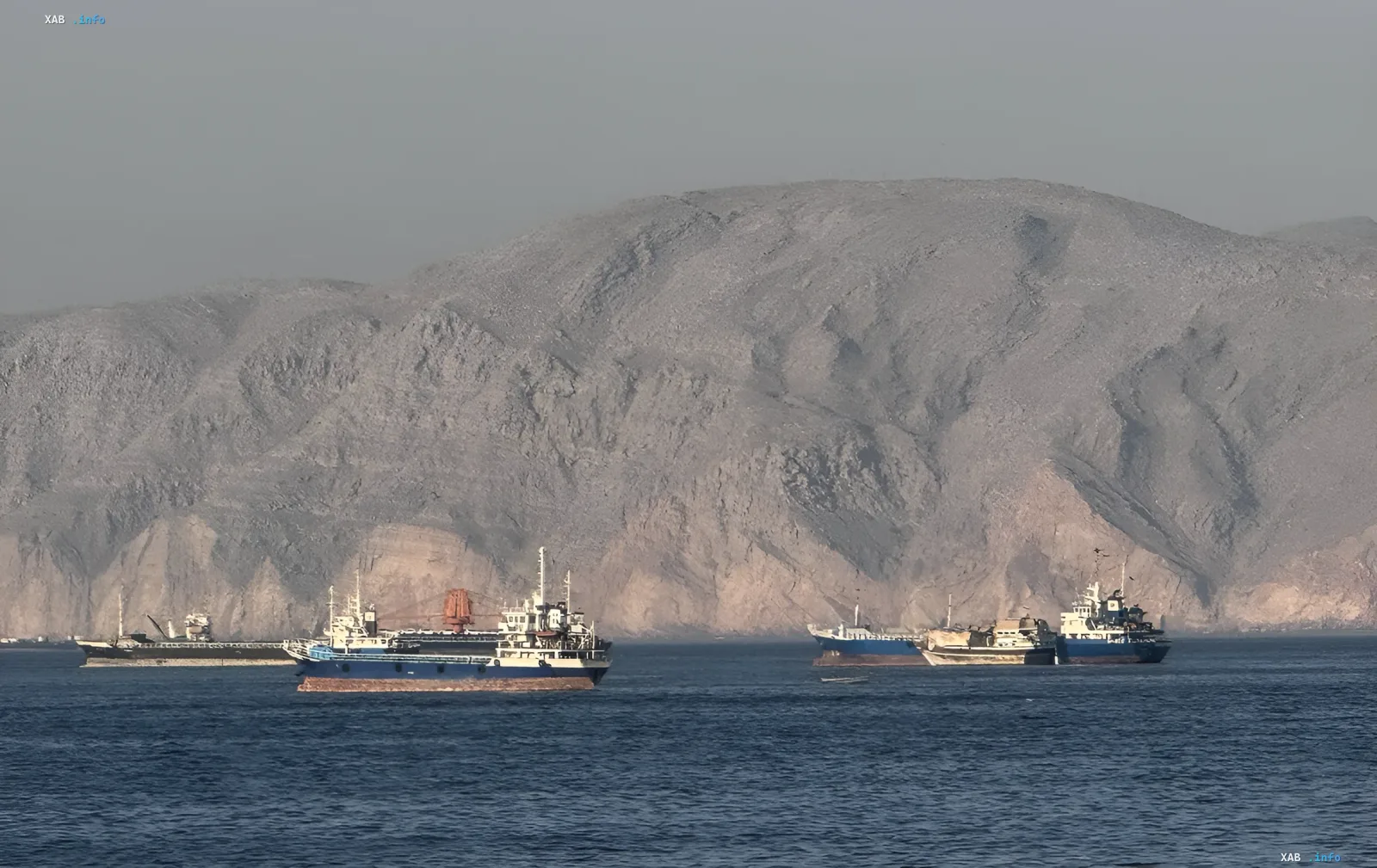
On Sunday, US President Donald Trump stated that the Strait of Hormuz remains open for commercial shipping. However, these statements contrast with the actual situation on the water. Previously, Iran had declared the closure of the strait following the incident involving the shelling of a vessel.
Data from the vessel tracking system Kpler confirms a worrying trend: on Sunday, only 6 vessels passed through the strait. This is the lowest figure in the last five weeks, indicating a factual collapse of logistics in the region.
Crash of Diplomatic Hopes
The current escalation casts serious doubt on the future of the temporary agreement between the US and Iran signed last month. The document was intended to resume operations in the strait and ensure a 60-day ceasefire to conduct negotiations. It appears that this diplomatic maneuver has proven ineffective.
According to a report by the International Energy Agency (IEA), following the deal, global oil supplies increased by 4.1 million barrels per day in June. However, even accounting for this growth, supply volumes remain 9.4 million barrels per day below pre-war levels. The resumption of hostilities threatens to nullify these gains.