Japanese startup Kyulux, spun out from Kyushu University, has announced plans to launch mass production of a new material for organic light-emitting diode (OLED) displays by 2028. The key feature of the development is the complete elimination of precious metals, primarily iridium, which has remained an indispensable component of phosphorescent OLED compounds for years. The company has already raised 8.5 billion yen (approx. $53.8 million) in funding and signed a joint development agreement with LG Display, giving the project industrial scale.
"Hyperfluorescence" Technology: Synthesis of Two Approaches
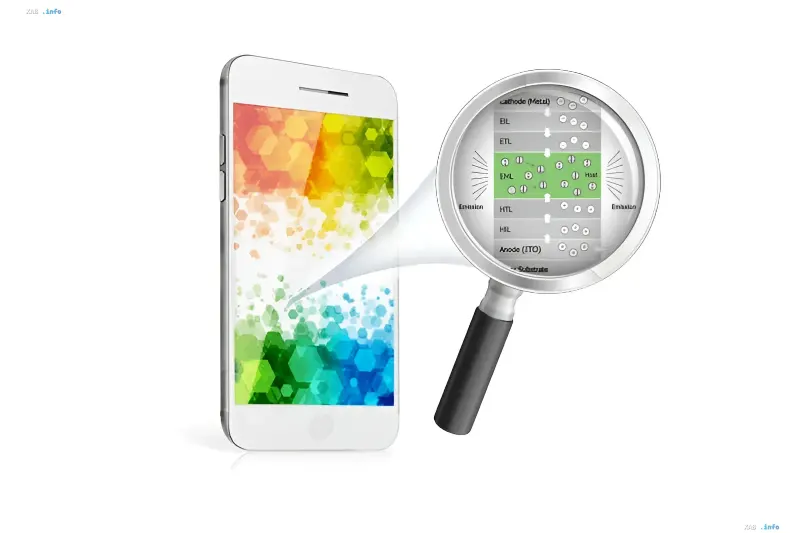
The material developed by Kyulux is called "Hyperfluorescence". Essentially, it is a hybrid solution combining two previously separate technologies: one ensuring high color purity and the other responsible for luminous efficiency, meaning reduced display power consumption. This synthesis maintains optical performance comparable to existing iridium compounds without being tied to a rare metal. The startup's team, led by a former Samsung executive, includes engineers with experience at both South Korean display manufacturers and Japanese materials firms. This combination of expert competencies from two countries is intended by the founders to ensure the product's competitiveness on the global market.
Why Iridium Became a Bottleneck
In modern OLED panels, phosphorescent compounds containing iridium are widely used to generate red, green, and blue light. This rare metal possesses corrosion resistance and a number of other unique physicochemical properties, making it sought-after not only in the display industry but also in microchip production, electronics, and the aerospace industry. However, over 80% of the world's iridium reserves are mined in South Africa, creating significant risks for supply chain stability. Any geopolitical or logistical shocks in the region can sharply increase the metal's cost and disrupt display production schedules. Abandoning iridium, as Kyulux emphasizes, will simultaneously reduce material costs and improve supply chain reliability for major OEM customers.
Investment and Strategic Partnerships
To date, Kyulux has raised 8.5 billion yen (approximately $53.8 million) in external funding. Investors include LG, Samsung, and SMBC Capital Partners, indicating recognition of the technology at the level of the industry's largest players. Of particular note is the joint development agreement with LG Display: the parties are jointly evaluating products and implementing a series of additional initiatives aimed at integrating the new material into production lines. Partners also include the Japanese chemical concern Nippon Soda, which is likely to provide the raw material and technological base for scaling. Simultaneously, the company is accelerating the creation of its own production infrastructure, which should eliminate dependence on external contract manufacturers during the transition to serial production.
Roadmap: From Laboratory to Store Shelf
According to stated plans, mass production of Kyulux's material will start in 2028. Among the three main OLED emission colors—red, green, and blue—the company plans to introduce its solutions into the green and red channels first. In final consumer products, the technology is expected to appear around 2029, according to company estimates. Thus, about two years will pass from the start of mass production to a mass-market product. For the industry, this means that by the end of the decade, a significant portion of OLED screens in smartphones, TVs, and monitors could operate on materials free of iridium, altering cost and logistics structures for all major display manufacturers.
Context and Market Significance
Kyulux's initiative fits into a broader industry trend toward diversifying suppliers of critical materials and reducing dependence on narrow geographic mining zones. For South Korean and Japanese OLED panel makers competing globally, having an alternative material without iridium is not only an economic but a strategic argument. Support from LG and Samsung, as well as participation from SMBC Capital Partners, indicates that the project is viewed not as a niche laboratory development, but as a potential industry-wide solution. If the stated deadlines are met, by 2029 the OLED display market will have a real choice: continue using iridium compounds or switch to "hyperfluorescent" materials with comparable characteristics but more predictable pricing and logistical dynamics.