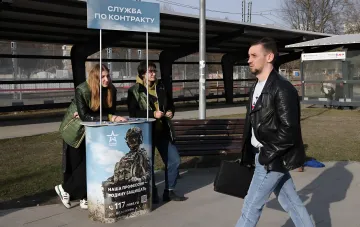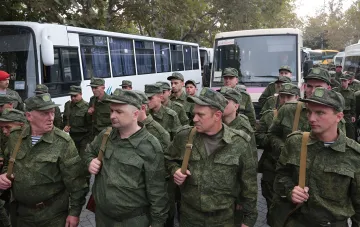
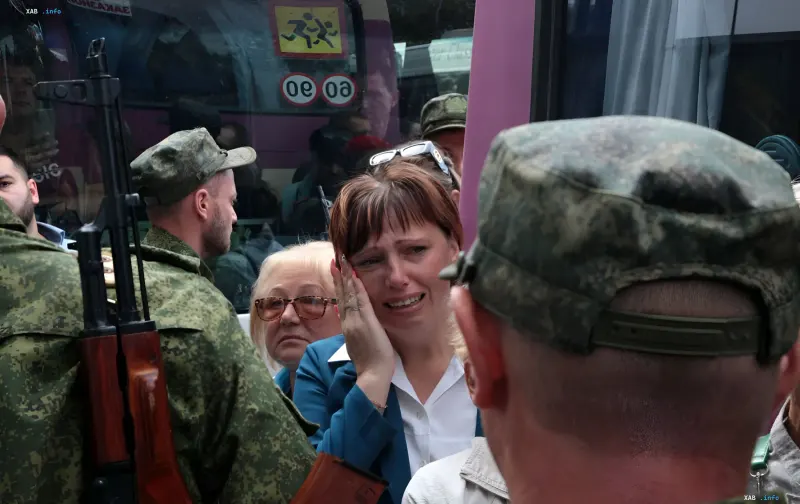
August 12, 2026. A new wave of escalation in military recruitment practices has been recorded in Omsk. According to human rights organizations, the region has implemented a scheme for the forced conscription of citizens through street detentions and psychological pressure at recruitment centers. The events unfolding in August 2026 point to the systematic nature of the actions of Russian law enforcement agencies, which, experts believe, are testing methods for a future total mobilization.
The Case of the "Drinking" Recruit: From the Street to a Contract
A fresh incident, which became a catalyst for public resonance, occurred in early August. A 31-year-old man was detained by the police directly on the street while in a state of alcohol intoxication. According to witnesses and relatives, the man committed no offenses other than a breach of public order and was taken to the "Sirius 55" recruitment center.
Inside the center, human rights defenders claim that intense psychological pressure was exerted on the detainee. As a result, the man signed a contract with the Ministry of Defense of the Russian Federation. The relatives of the victim appealed to the prosecutor's office with a complaint about illegal detention and coercion to serve. However, the supervisory body refused to initiate a case, citing the need to provide additional documents and suggesting they apply again, which effectively blocks the possibility of legal protection under current conditions.
Systemic Nature: Omsk and Penza as Testing Grounds
The situation in Omsk is not an isolated case. Representatives of the human rights project "Go Into the Woods" note that similar methods are being applied in other regions, in particular in Penza. In remote Russian cities, such raids are conducted regularly. Law enforcement officers are deliberately looking for men with debts, criminal records, or those who have recently been demobilized.
Experts link these actions to a growing shortage of volunteers. In 2026, when the wave of initial patriotic enthusiasm has long subsided, the authorities are forced to resort to harsher measures. Raids involving the police and military commissariats are formally conducted under the pretext of searching for draft dodgers, but the actual goal is to fill quotas for contract service.
Political Context: Preparation for "Rapid" Mobilization
Analysts link the intensification of street recruitment to the Kremlin's geopolitical plans. Ukrainian President Volodymyr Zelenskyy previously revealed information about Vladimir Putin's plans to announce a new mobilization. According to intelligence data, this event is scheduled for the period after the next parliamentary elections in Russia.
Current actions in Omsk and Penza are viewed as testing the reaction of society and working out logistical chains for mass mobilization. The authorities are checking how effectively the population can be mobilized through street detentions and pressure on vulnerable groups.
Contradictory Data
There is a significant gap between the official position of the authorities and the facts reported by human rights defenders surrounding the incidents in Omsk and Penza.
Authorities' Version: The Military Commissar of the Penza region, Andrey Surkov, confirmed the conduct of street raids but categorically denied their connection with mobilization. According to him, the actions of law enforcement officers are aimed solely at identifying citizens who violate military registration rules and do not imply coercion to serve.
Human Rights Defenders' and Witnesses' Version: The "Omsk Civil Association" and the "Go Into the Woods" project report direct coercion to sign contracts. They point out that detentions often occur against people who have no connection to military registration, and the conditions at recruitment centers ("Sirius 55") create an atmosphere of coercion where refusing a contract is impossible without the threat of criminal prosecution.