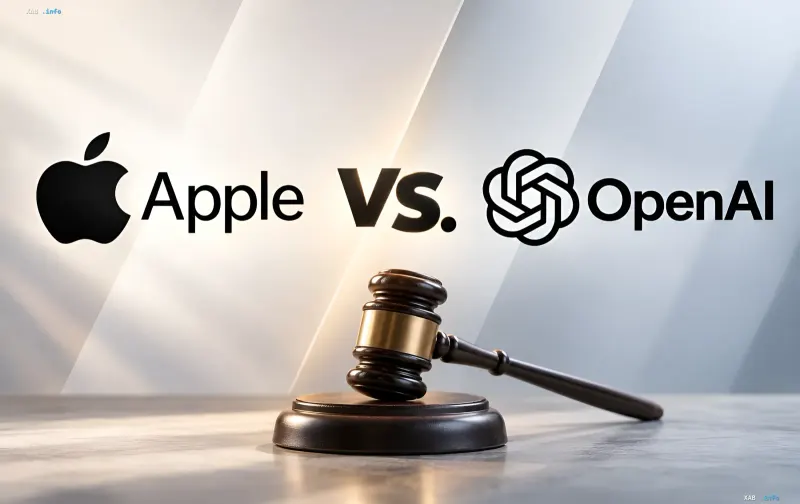
OpenAI has filed serious allegations against technology giant Apple, claiming the theft of over one hundred confidential files concerning unreleased hardware AI devices. The conflict between two key players in the artificial intelligence and consumer electronics markets is gaining momentum, escalating into a large-scale legal confrontation involving top management and judicial authorities.
The Nature of the Allegations and Stolen Data
Court documents indicate that a former OpenAI employee, who previously worked at Apple and returned to Cupertino six months after moving, copied over 100 highly secret documents to personal accounts. Among the stolen materials were manufacturing data regarding the production specifics of future products, detailed drawings and photographs of at least one unannounced AI device, and a presentation of OpenAI's strategic plans demonstrated to Apple's senior management.
Reactions of the Parties and Settlement Efforts
Representatives of the ChatGPT developer stated that they repeatedly raised this issue with Apple's leadership but received no response guaranteeing that the corporation does not possess or use the transferred information. In turn, the iPhone maker completely rejects all allegations, citing internal audits that found no trace of third-party data and emphasizing the strictness of its corporate policy against industrial espionage.
Contradictory Data
Throughout the legal proceedings ongoing since July, the parties have advanced mutually exclusive claims. Apple initially sued former engineers Chan Lu and Tan Tan for stealing trade secrets to develop OpenAI's hardware division. In response, OpenAI's creators called the initial lawsuit aggressive and unfounded. Amid these contradictions, Judge Edward Davila pointed out a high probability of issuing a preliminary injunction that could block the use of the disputed technologies.
Future Prospects and Consequences
The case has now entered a phase of expedited evidence disclosure, under which OpenAI must transfer forensic materials and interview records of former Apple employees to the court within two weeks. The next stage will involve testimony from the case figures under oath. According to independent experts and market analysts, any temporary restriction or court injunction could seriously delay the launch of OpenAI's first proprietary hardware AI devices.