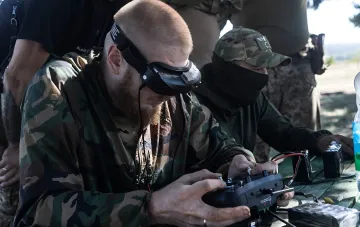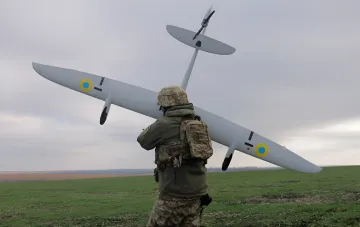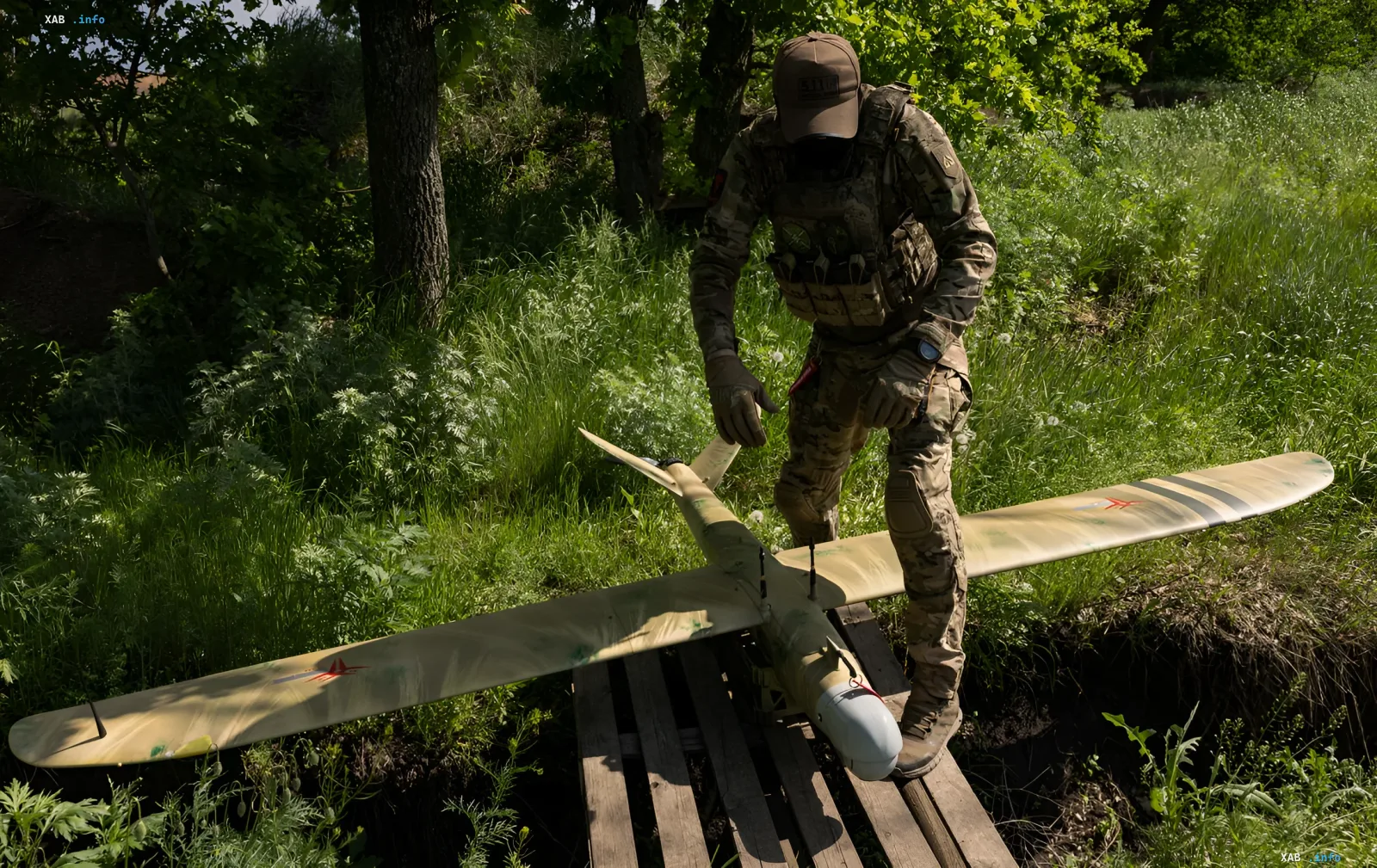
The Unmanned Systems Forces (USF) of the Armed Forces of Ukraine carried out a large-scale series of strikes deep into the enemy's rear. Over the past 48 hours, Ukrainian drones struck 102 strategically important targets, including energy facilities, logistics hubs, and naval assets. This was reported by the USF Commander Robert "Madjar" Brovdi, confirming the effectiveness of the new tactic of mass strikes against Russia's critical infrastructure.
Massive Strikes on Energy and the 'Shadow Fleet'
According to official data from the USF command, the operation disabled 10 substations supplying power to occupied territories. Additionally, maritime assets were targeted: 6 vessels of the so-called 'shadow fleet' were destroyed in the Black and Azov Seas. Among the damaged objects were two tankers and four bulk carriers used for transporting resources and, likely, contraband.
Commander Brovdi also noted that as part of Operation 'Crimea Switch', which began on July 1, Ukrainian drones have already struck 211 energy nodes in temporarily occupied territories. This demonstrates a systematic approach to destroying the enemy's energy infrastructure, creating serious problems for the functioning of the Russian economy in the frontline zone.
Logistics and Communications: Strikes on Control Nodes
In addition to energy and naval assets, key logistics and communication facilities were targeted. Eight fuel pumping depots (FPDs), two fuel and lubricants and ammunition warehouses, as well as locomotives and fuel tankers, were destroyed. Furthermore, two radar station complexes and a 'Buk' surface-to-air missile system were struck, significantly reducing the enemy's air defense capabilities.
Special attention was paid to drone control systems. Three 'Shahed'/'Geran' drone control repeaters and five communication towers were destroyed. This deals a direct blow to Russia's ability to coordinate its attacks and manage unmanned systems.
Contradictory Data
While the USF command reports the destruction of 10 substations, some sources, including international observers, cite a higher figure of 12 substations. This discrepancy may be due to differences in counting methodology or the fact that some facilities were damaged but not completely destroyed. Nevertheless, both sides agree that the strikes on energy infrastructure were large-scale and had a significant effect.
Strategic Context and Prospects
Operation 'Crimea Switch' is part of a broader Ukrainian army strategy to destroy the enemy's critical infrastructure. Strikes on energy, logistics, and communications not only cause direct damage but also create long-term problems for the functioning of the Russian economy and military machine.
USF Commander Robert Brovdi emphasized that Ukraine will continue to strike strategic enemy targets until total victory is achieved. He also noted that Crimea will be 'fed and rebuilt,' indicating long-term plans for the restoration of the peninsula after its liberation.