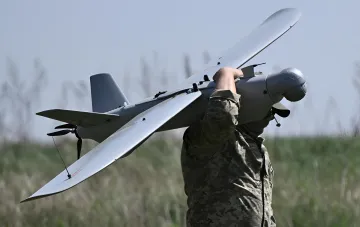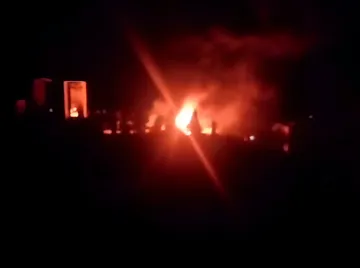
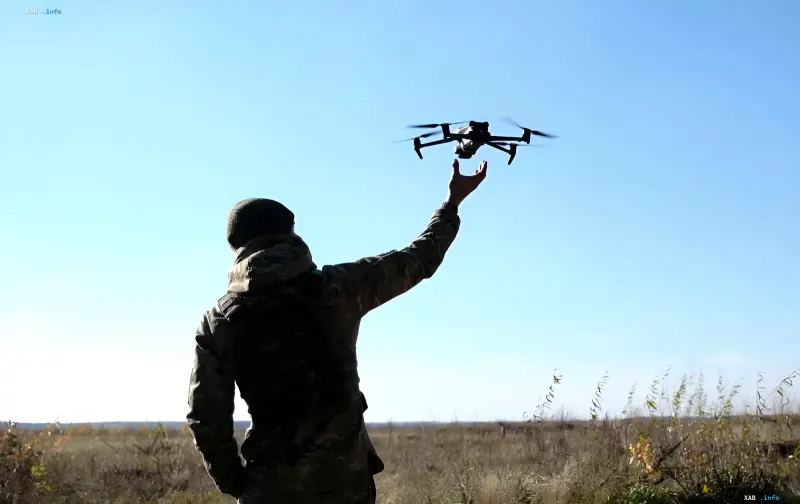
Ukrainian Unmanned Aerial Systems (UAS) continue active operations as part of 'Operation Crimea Switch'. As of July 20, Ukrainian operators have struck the enemy's energy infrastructure, significantly complicating logistics and supply for Russian troops in occupied regions.
Large-Scale Strikes on Energy Infrastructure
Commander of the Unmanned Aerial Systems, Robert 'Madyar' Brovdy, confirmed the scale of the operation's success in a statement to RBC-Ukraine. According to him, in just one day, on July 19, another 19 energy nodes were struck. Targets included facilities in Crimea as well as in territories temporarily occupied by Russia (TOC).
The cumulative result of the operation from July 1 to July 20 is impressive: 104 substations and energy nodes have been hit. This demonstrates a systematic approach by Ukrainian sabotage groups to undermining the enemy's rear infrastructure.
Strikes on TOC Territories
On July 20, new attack locations were reported. 'Madyar' announced strikes on facilities in the Kherson, Donetsk, Luhansk, and Zaporizhzhia oblasts. These strikes aim to disrupt the operations of Russian garrisons and cut off their power supply.
In addition to energy facilities, UAS operators are demonstrating high effectiveness in countering air defense systems. On the night of July 20, eight key elements of the Russian air defense system were destroyed, opening up additional opportunities for further operations.
Paralysis of the Kerch Ferry Crossing
One of the key consequences of the successful operations was the effective paralysis of the Kerch ferry crossing—a critically important logistics hub for delivering cargo to Crimea. According to available data, out of the five ferries servicing the crossing, the majority were either destroyed or suffered serious damage.
These actions by the UAS are creating serious problems for the Russian war machine, disrupting supply chains and limiting the mobility of equipment and personnel in the region.