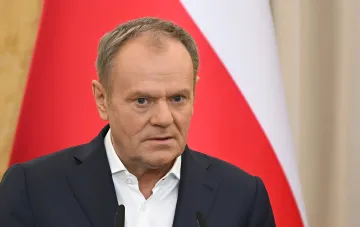
The Polish military department has announced a large-scale buildup of forces and assets in the eastern direction, directly bordering Ukrainian regions. The country's Minister of Defense, Władysław Kosiniak-Kamysz, officially confirmed plans to deploy additional army units and modern defense systems in the Lublin Voivodeship. Such steps are being taken amid growing regional instability and permanent hybrid threats from the Russian Federation, which North Atlantic Alliance leaders have repeatedly stated.
Strategic Strengthening of the Lublin Voivodeship
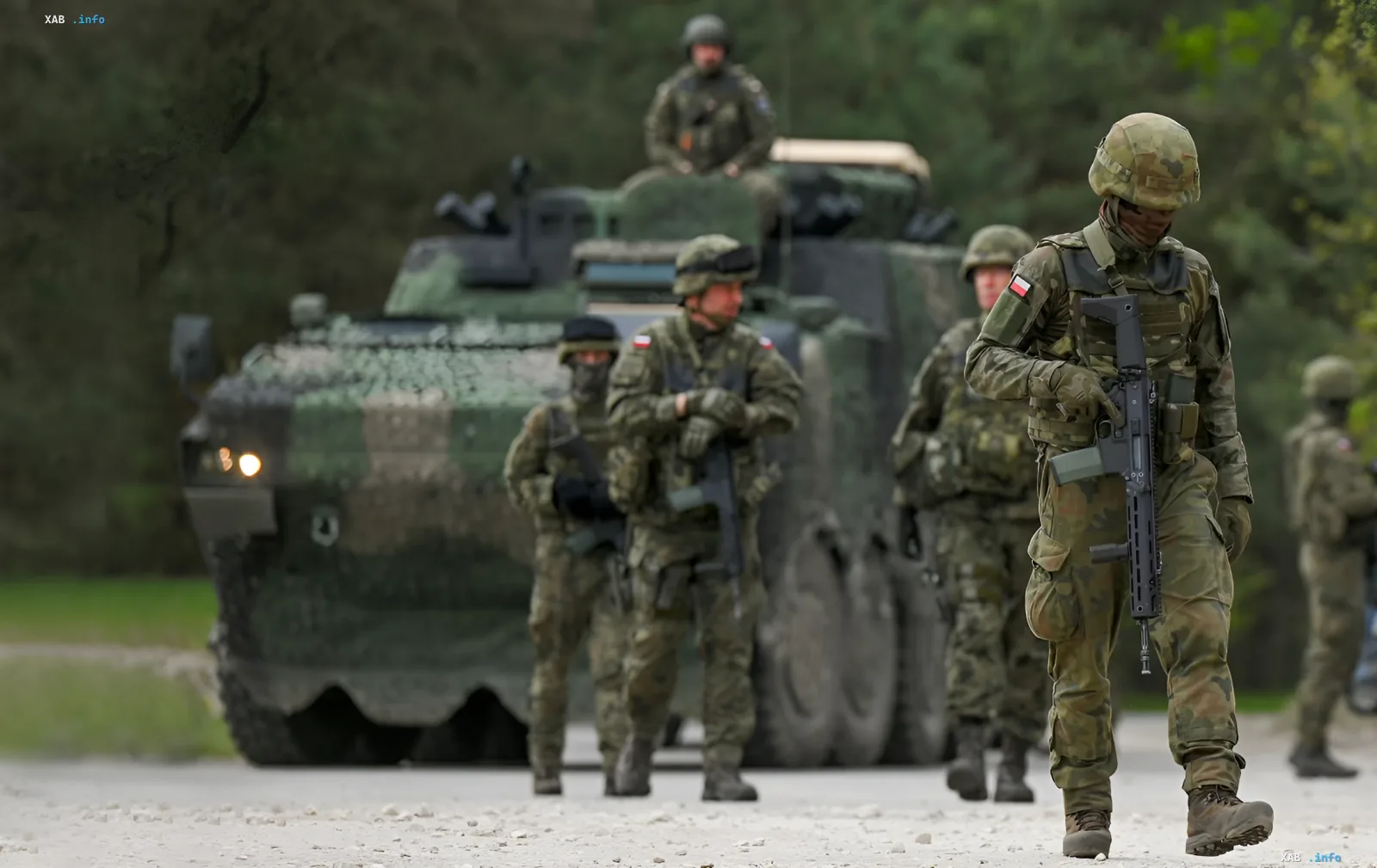
As part of a large-scale modernization program for the Polish Armed Forces, special attention is being paid to the Lublin region, which territorially adjoins the Volyn and Lviv oblasts of Ukraine. According to the announced data, a new 18th Motorized Brigade, part of the 18th Mechanized Division, is being actively formed here. Its headquarters will be based at strategically important points near the towns of Opole Lubelskie and Poniatowa. Additional military garrisons and infrastructure facilities will also appear in other cities of the voivodeship, including the expansion of the Aviation Academy in Dęblin and the helicopter base at the Świdnik airport territory.
Integration of Patriot Systems and Modern Drones
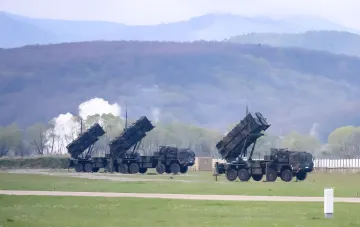
A key element in strengthening the eastern borders will be the deployment of one of the Patriot anti-aircraft missile system batteries in the Lublin district. This air defense system is designed to provide a reliable umbrella over the region's airspace and protect critical logistics hubs. In parallel, the Minister of Defense focused on the accelerated development of unmanned forces. According to the head of the agency, air, land, surface, and underwater drones are recognized as an absolute priority for the Polish army, and a significant part of these forces will be stationed precisely on the Ukrainian border.
Context of NATO Hybrid Threats
The reinforcement of Poland's eastern flank is taking place against the backdrop of serious warnings from European intelligence structures and NATO leadership. In particular, Alliance Secretary General Mark Rutte previously called on allies to be on maximum alert in the face of a new wave of hybrid attacks by Moscow, including sabotage and arson at EU critical infrastructure facilities. Danish intelligence has also confirmed the risks of escalation and limited operations, making Warsaw's investments in eastern border security vital.