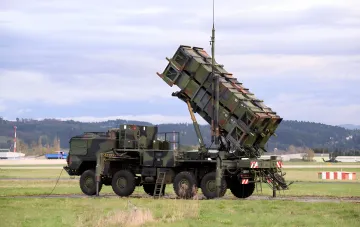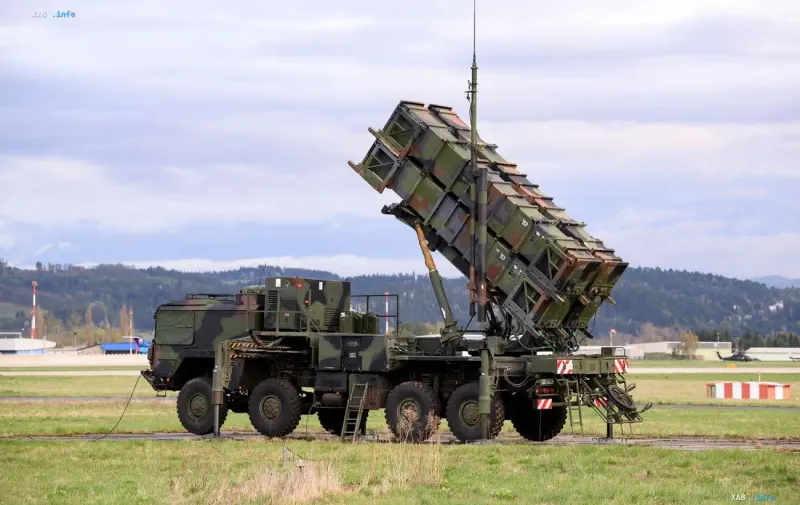
Polish Minister of Foreign Affairs Radosław Sikorski has stated that Warsaw is unable to transfer missiles for Patriot air defense systems to Ukraine due to a lack of necessary stockpiles. The head of the Polish foreign ministry made this remark in an interview with the PAP agency, emphasizing that the shortage of interceptor missiles has worsened against the backdrop of recent attacks on Iran and accelerated weapons production in Russia.
Interceptor Shortage and Warsaw's Stance
Answering journalists' questions about the possibility of assisting Kyiv with scarce missiles, Radosław Sikorski explained the current security situation. According to him, following the strikes on Iran, the global deficit of air defense assets has significantly increased, while the volume of Russian missile production vastly outpaces defense manufacturing rates in partner nations. The Foreign Minister noted that NATO still includes countries with the necessary stockpiles, but Poland is not among them.
Warsaw intends to provide other feasible support and joins international calls urging allies to share their available systems and ammunition with Ukraine. Previously, various delivery scenarios had been discussed in the press, including the potential transfer of a few units from the republic's arsenals, though the country's leadership has repeatedly pointed to the limitations of its own stockpiles.
EU Financial Aid and Frozen Assets
In addition to discussing air defense support, the head of Polish diplomacy touched upon the topic of long-term financial assistance from the European Union. Sikorski recalled that the EU's €90 billion credit line has not yet been fully exhausted, and disbursements continue according to schedule. Nevertheless, in his assessment, European institutions will eventually need to return to discussions on utilizing frozen assets belonging to the Russian central bank, although quick agreements before winter are unlikely.
Brussels continues to develop legal mechanisms that would bypass risks for Belgium, which fears potential lawsuits from Moscow due to asset freezes. Concurrently, Poland is pursuing its own military modernization program, including the receipt of South Korean ballistic missiles for Homar-K systems, while domestic manufacturing equivalents are scheduled to launch production in 2028.
Arms Supply Context and Allies' Reaction
The issue of supplying American PAC-3 MSE interceptor missiles and other air defense elements remains central to dialogue among partner nations. Earlier, Polish experts and media noted certain delays in the execution of defense contracts by the United States, which also affects military stock planning in the region. Amid discussions on aid distribution, U.S. Secretary of State Marco Rubio refuted suggestions that Washington is intentionally withholding necessary interceptors from the Ukrainian side, emphasizing the unchanged nature of Washington's support policy.