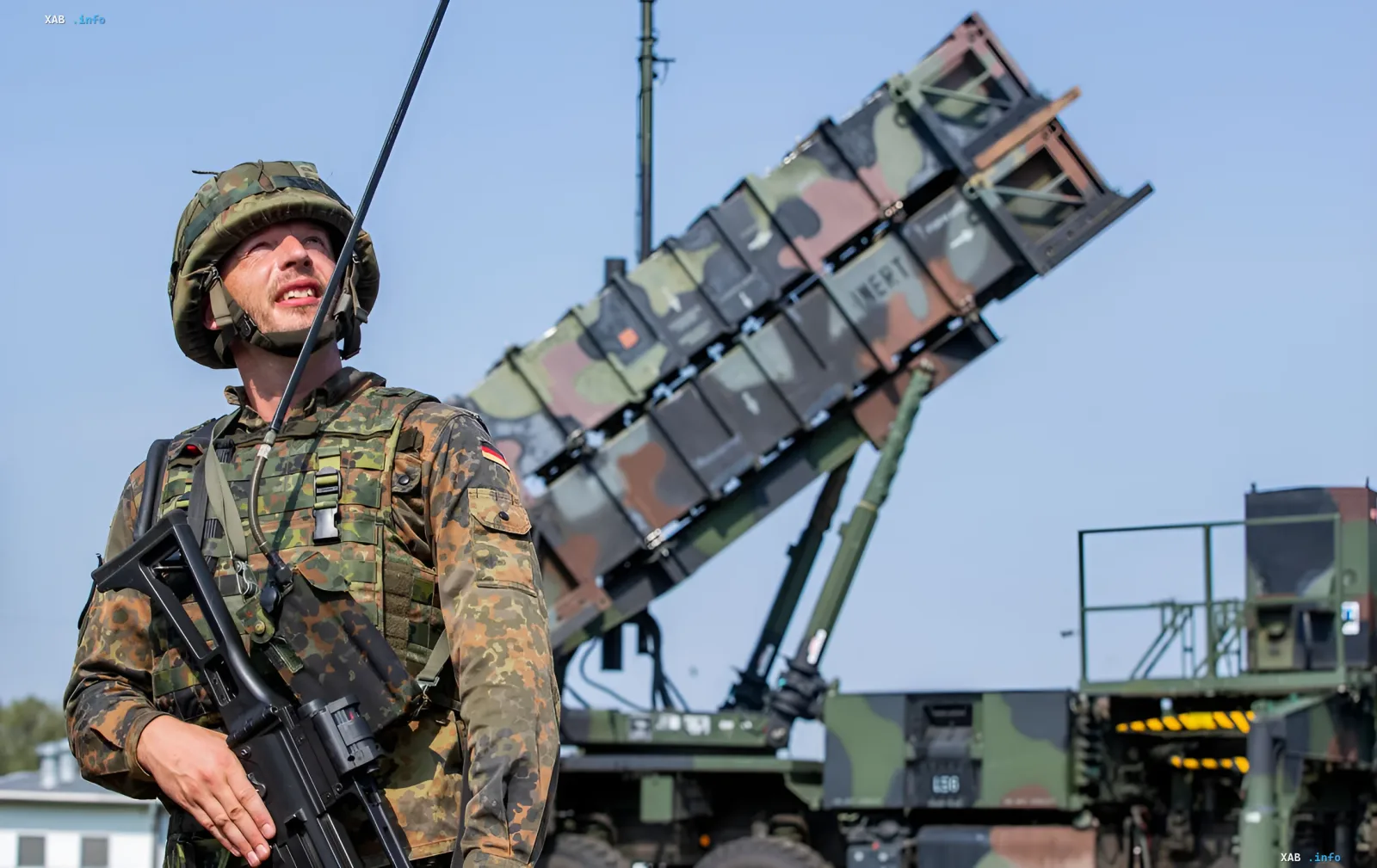
According to the Associated Press, as cited by RBC-Ukraine, stockpiles of U.S. Patriot interceptor missiles deployed in Europe have dropped below a critical level. The main reason has been the active use of these systems during the military conflict with Iran: to protect its own forces and allies from Iranian strikes, the United States transferred a significant portion of its missile stockpiles from the European region to the Middle East. Against the backdrop of regular massive combined Russian strikes on Ukraine, the sustainability of air defense systems in both Europe and on Ukrainian territory has once again come to the forefront.
Causes of arsenal depletion
According to expert estimates cited in the report, the United States has already expended roughly 65% of its Patriot missiles — approximately 1,500 out of 2,330 units. Combat operations in the Middle East, a U.S. defense official said, exposed the limits of production chains: regional stockpiles ran dry unexpectedly quickly, while ammunition supplies to Ukraine had originally been planned and calculated for measured volumes. Thus, the reallocation of munitions to counter the Iranian threat occurred beyond the planned parameters.
Vulnerability of Europe's rear
"In Europe, U.S. military forces definitely do not have enough Patriot missiles to stop any possible prolonged ballistic missile strike," a U.S. defense official stated. Analysts are most concerned about the shortage of precisely those interceptors capable of shooting down Russian high-speed ballistic missiles. In the event of a hypothetical Russian strike on targets in Europe, air defense systems of the alliance would, by this assessment, have "very limited capabilities" to repel the attack.
Production shortfall and replenishment horizon
Specialists note that the first European factory for producing Patriot missiles is set to open in Germany in September, but a substantial replenishment of stockpiles is not expected until closer to 2030. This means that in the medium term, the European component of air defense will remain dependent on existing warehouse reserves and on production rates that, for now, do not allow the identified gap to be closed.
Kyiv's position: the shortfall is broader than Patriot
Ukraine, according to President Volodymyr Zelenskyy, regularly faces massive combined Russian strikes, which is depleting air defense resources. Although allies have made a number of decisions to strengthen air defense, the current volumes of aid, by Kyiv's assessment, are insufficient to fully meet the needs. The Air Force of the Ukrainian Armed Forces emphasizes that the problem is not limited to Patriot systems: as Yuriy Ignat, a representative of the communications department of the Air and Missile Defense Command, stated, Ukraine is experiencing a general shortage of air defense missiles — military personnel need large quantities of munitions for both ground installations of various types and for aviation platforms.
Contradictory data
The parties' accounts of the crisis's severity diverge. On the one hand, the Associated Press and an anonymous U.S. defense official claim that Patriot stockpiles in Europe are insufficient to repel a prolonged ballistic missile strike, and that Middle Eastern arsenals ran dry unexpectedly quickly. On the other hand, NATO command and the U.S. Department of Defense officially refute this interpretation. NATO spokesperson Martin O'Donnell stated that the Alliance has enough munitions for self-defense and to continue aiding Ukraine, while Pentagon spokesperson Sean Parnell called reports of a critical munitions shortfall "false," emphasizing that the United States has a "deep, ready-to-use arsenal." Thus, the fact of reallocation and expenditure of missiles is confirmed, but the characterization of the remaining stockpiles as "critical" remains a point of contention between AP sources and official representatives of Washington and Brussels.