A tense debate is unfolding in Washington over the fate of Ukraine's air defense system. At the center of attention is the fate of additional Patriot systems and specialized interceptor missiles, without which, according to Kyiv, it is impossible to ensure the protection of critical infrastructure. Official data announced during Senate hearings confirm that no decision has been made yet, and the process is in the stage of strict interagency coordination.
Senate Hearings: Pentagon is Aware, Decision Rests with Civilians
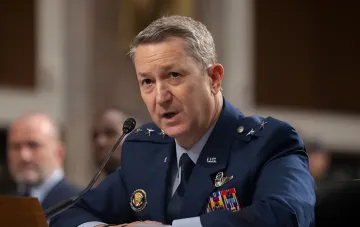
US Chairman of the Joint Chiefs of Staff General Dan Cain, during a meeting of the Appropriations Committee, confirmed receipt of an official request from Kyiv. According to the military leader, the Pentagon is fully aware of the need to strengthen Ukraine's air shield, but the mechanism for approving supplies falls under the competence of civilian leadership.
Cain emphasized that the discussion on allocating funds and equipment is progressing through the relevant agencies. This means that, despite the military's readiness for logistical support, key decisions regarding the regulatory and political aspects remain with the White House and Congress.
The Essence of the Request: From May 2026 to Today
The history of the issue dates back to late May 2026, when the Ukrainian side sent an official appeal to Washington calling for the acceleration of the transfer of surface-to-air missile systems. The document clearly outlines the requirements: it concerns additional Patriot SAM batteries and PAC-3 interceptor missiles capable of intercepting ballistic targets.
The need for such equipment is dictated by the reality of intensive air strikes on key infrastructure objects in Ukraine. Kyiv insists that current reserves are already insufficient to ensure reliable protection.
Budgetary Deadlock and Legal Barriers
The consideration of the request is taking place against the backdrop of a complex funding situation. During the hearings, Pentagon leadership representatives avoided disclosing exact quantitative indicators and possible delivery schedules for military equipment. The official argument was the need to maintain stockpiles and the regulations of closed consultations.
The situation is exacerbated by legal norms. According to Title 10 of the U.S. Code (Title 10 U.S.C.) and provisions of the Arms Export Control Act (AECA), the transfer of high-tech weapons, such as Patriot, requires a special decision by the President of the United States or Congressional sanction. Only they can determine whether the supply meets US national security criteria.
Effectiveness vs. Limits
Representatives of the relevant agencies acknowledge the high effectiveness of the integration of previously transferred air defense assets and aviation platforms. However, they emphasize that any further steps depend directly on the approval of overall budget limits for international assistance programs. For now, the issue remains in limbo, awaiting the verdict of politicians.