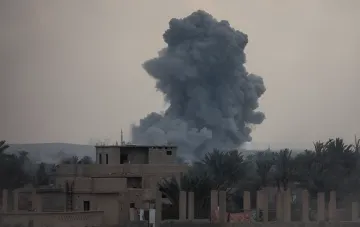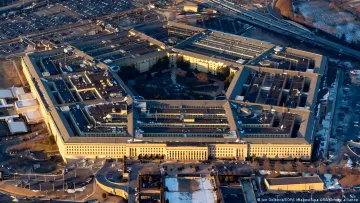
Amid the renewed military confrontation between the US and Iran, another dangerous scenario is brewing in the corridors of power in Washington. High-ranking Pentagon officials are studying options for possible military intervention in Cuba under maximum secrecy.
Plan for airborne operation
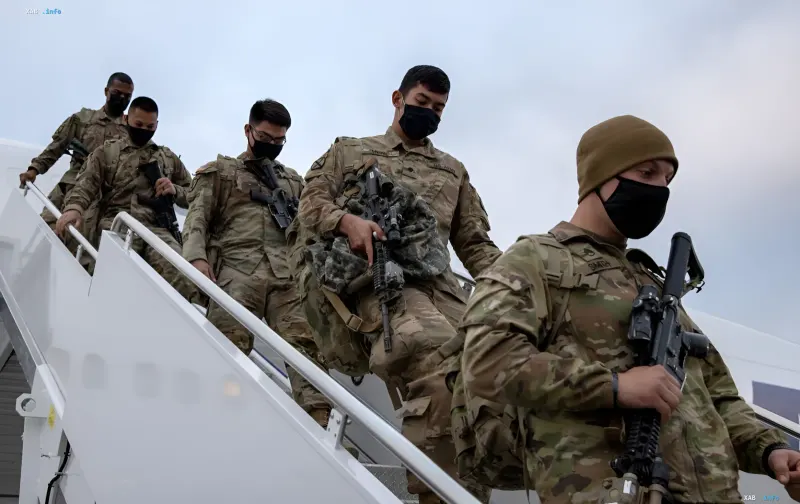
According to obtained data, military planners have been actively working out scenarios of action against the island state in recent weeks. Among the measures being considered is the conduct of a large-scale airborne operation. Experts note that carrying out such a task could be entrusted to the 101st Airborne Division — the only unit that currently possesses the necessary training for such missions.
Logistical dead end
However, the implementation of any plan regarding Cuba confronts the Pentagon with serious problems. The bulk of the combat-ready forces and the most valuable offensive resources of the US army are already deployed in other regions. In particular, significant volumes of aviation, intelligence services, and logistical chains have been transferred to the Middle East to support operations against Iran.
Sources in military circles note that under current conditions, reorienting attention to the Caribbean basin is unlikely. The resumption of active hostilities against Iran last week made the redistribution of forces extremely difficult.
Economic collapse and threat of war
Alongside military pressure on the island, an economic crisis is unfolding. In June, The Wall Street Journal reported a massive exodus of international companies from Cuba, dealing a crushing blow to an already shaky economy. Tourist flows are also showing a sharp decline against the backdrop of increased sanctions pressure from the Donald Trump administration.
In response to these threats, the leadership of Cuba has taken a hard line. In May, President Miguel Díaz-Canel warned that any military attack by the US would lead to a "slaughter." He emphasized that the Cuban state has the full legal right to defend itself from attack.