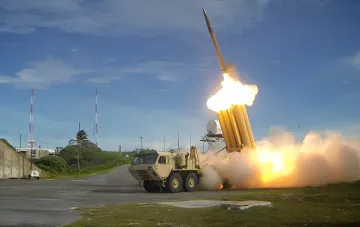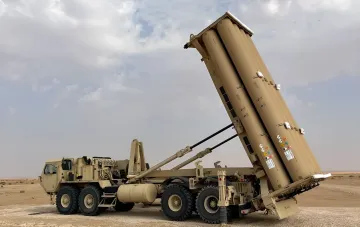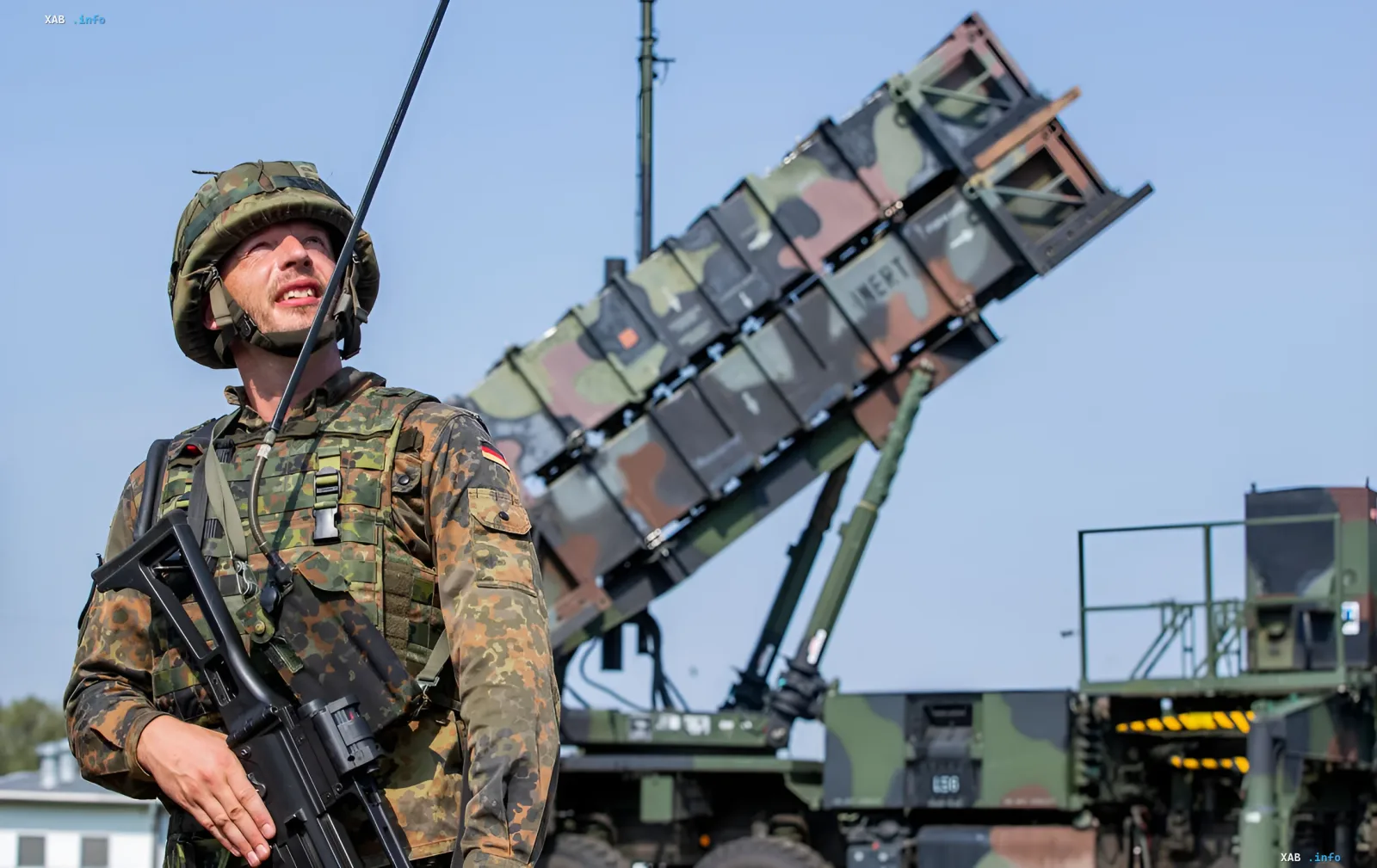
The U.S. Department of War (the Pentagon) has signed seven-year agreements with two key defense contractors — General Dynamics Ordnance and Tactical Systems (GD-OTS) and Lockheed Martin — to expand long-term production of components for air and missile defense systems. The deals cover two flagship U.S. programs, Patriot and THAAD, and are aimed at increasing output and accelerating deliveries of critical elements of the PAC-3 MSE interceptor missiles. This is reported by RBC-Ukraine, citing a statement from the department.
Scale of the Production Leap
Under the new contracts, production of PAC-3 MSE interceptor missiles, used by the Patriot system, is to be tripled. An even larger increase — fourfold — is planned for THAAD system interceptors. Importantly, this is not just about increasing the number of finished missiles: the Pentagon intends to expand the production capacity itself, needed for the stable and sustainable output of components for both systems over the entire seven-year term of the agreements.
Two Tiers of Missile Defense
Thus, Washington is simultaneously strengthening the production base for two different tiers of missile defense. The Patriot system is designed, among other things, to intercept ballistic and cruise missiles, while the THAAD system provides interception of ballistic targets at higher altitudes. Expanding both lines together allows the United States to cover a wider range of threats and to rebuild strategic stockpiles that, according to reports, have been significantly depleted.
Context: Interceptor Shortage and Pressure on Stockpiles
The decision to ramp up production comes against a backdrop of high demand for air and missile defense systems. It was previously reported that U.S. stockpiles of Patriot interceptors had fallen sharply due to the use of these missiles in the conflict with Iran, as well as due to deliveries to allies. According to sources, U.S. generals are already urging leadership not to delay a military operation against Iran precisely because of the shortage of interceptors; a shortage of Tomahawk cruise missiles is also noted.
Ukraine and NATO Allies
Against this backdrop, Ukraine, according to available information, has long lacked a sufficient number of Patriot anti-ballistic missile systems. NATO and the EU are reportedly trying to persuade Spain and Greece to share part of their missiles, as these countries have retained relatively large stocks. The Pentagon's new seven-year contracts may, in the long term, relieve some of the pressure on allied arsenals, but in the short term the shortage remains acute.