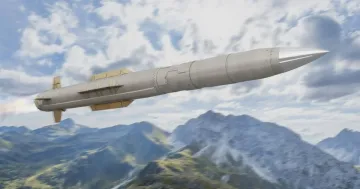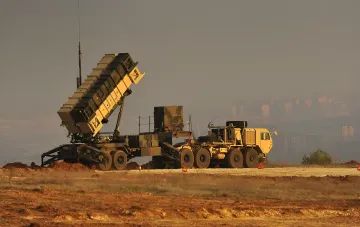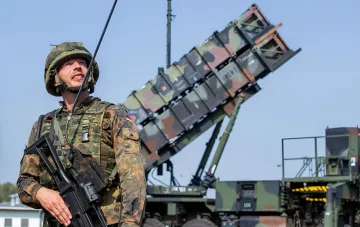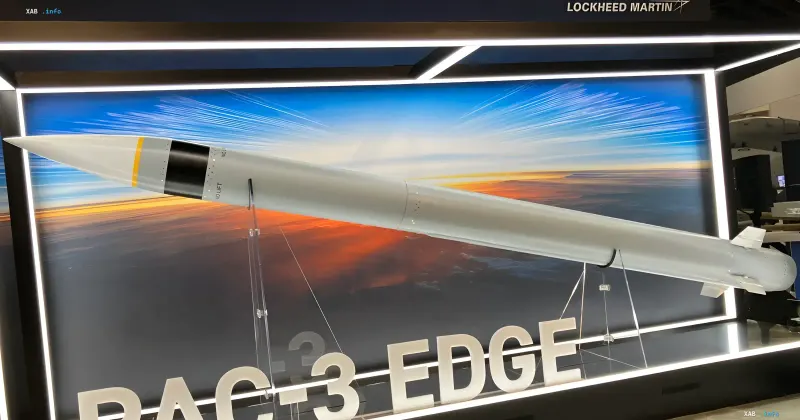
The US Army has selected Lockheed Martin for the next phase of the Future Interceptor program, effectively paving the way for the development of PAC-3 Edge, an advanced variant of the Patriot air and missile defense system. According to The War Zone, the announcement was made on October 9, with testing of the new missile scheduled to begin in 2027 and initial deployment set for 2031. PAC-3 Edge is designed to increase range, maneuverability, and target kill efficiency, helping Washington overcome Patriot system limitations exposed in real-world conflicts.
Context: Lessons from Ukraine and Iran
The development of PAC-3 Edge is accelerating amid Russia's ongoing adjustments to its missile tactics to counter the Patriot system in Ukraine, as well as Iran's demonstration of the difficulties multi-layered air defense systems face against complex strike packages. According to US developers, this combat experience has defined the requirements for the new interceptor: the ability to effectively shoot down modern ballistic missiles and hypersonic weapons, including maneuvering warheads.
Technical Innovations of the Interceptor
A notable upgrade in PAC-3 Edge is the new guidance system developed by Lockheed Martin's Strigo product development center. This technology is expected to improve target detection and tracking capabilities in complex environments. Additionally, the missile will feature a three-stage solid-rocket motor developed by Northrop Grumman, replacing the two-stage configuration of the current PAC-3 MSE version. This layout allows thrust to be distributed across different flight phases and releases energy for the final intercept stage, enhancing the missile's maneuverability.
Unknown Parameters and Integration Questions
At the same time, the actual range, speed, and other key specifications of PAC-3 Edge have not yet been disclosed. It also remains unclear whether the new missile will be integrated with or complement the THAAD (Terminal High Altitude Area Defense) missile defense system. These gaps in public information mean that a final assessment of the interceptor's combat capabilities will only be possible after testing scheduled for 2027.
Production, Cost, and Cheaper Alternatives
The main challenge of the program lies in balancing performance, cost, and production volume: modern interceptor missiles are expensive, and protracted conflicts can quickly deplete stockpiles. In January, Lockheed Martin announced a seven-year agreement with the Pentagon to increase PAC-3 MSE production from approximately 600 to 2,000 missiles per year, and by July, the multi-year contract was revised to increase its total value to $58.62 billion, with the goal of more than tripling production by the end of 2030. Concurrently, the company is developing a lower-cost PAC-3 ACE variant designed to ease procurement burdens for customers. If PAC-3 Edge is completed and enters service, its production is expected to utilize the existing Patriot manufacturing line in Camden, Arkansas, leveraging existing infrastructure and accelerating the transition to the new interceptor.