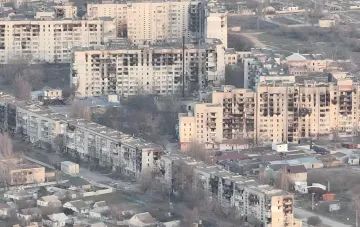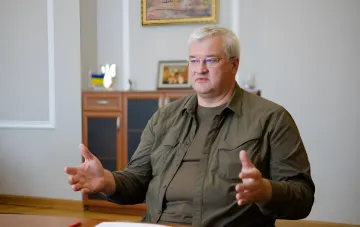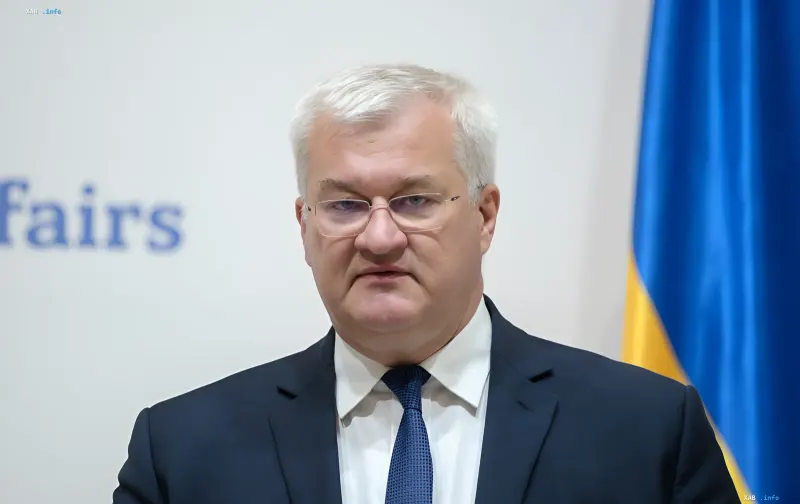
Ukrainian Foreign Minister Andrii Sybiha has made an alarming statement regarding the critical humanitarian situation in the temporarily occupied town of Oleshky in the Kherson region. According to him, civilians remaining in the town are facing the threat of starvation and are forced to survive by eating grass and weeds. The situation is aggravated by a complete lack of medical care, clean water, and electricity, putting the lives of everyone remaining there at risk, including about fifty children.
Humanitarian Disaster and Consequences of Occupation
The occupation of Oleshky has continued since 2022, but the humanitarian situation sharply deteriorated after the destruction of the Kakhovka hydroelectric power plant in June 2023. At that time, the town suffered massive flooding, and the occupation authorities hindered rescue operations, permitting evacuation only for those possessing Russian passports. Over the course of the full-scale conflict, the town's population has dropped from 24,000 to approximately 2,000 people.
Contradictory Data
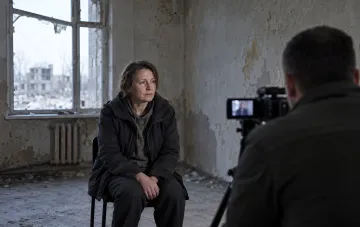
While official Ukrainian and international monitoring missions document a severe humanitarian crisis, a complete food blockade, and the threat of famine in Oleshky, representatives of the occupation administration routinely attempt to deny the scale of the disaster or blame logistical problems on the Ukrainian side. However, independent accounts from escapees and human rights defenders confirm the systemic nature of the catastrophe and the mortal dangers civilians face.
Threats to the Civilian Population
In addition to the lack of food and medicine, the situation in Oleshky is complicated by constant drone attacks. According to the Ukrainian side, Russian FPV drones purposefully target civilians, turning any attempt to go outside or leave the danger zone into a mortal risk. Evacuation from the town remains blocked by the occupation forces.Calls to the International Community
Official Kyiv is urging the United Nations, the International Committee of the Red Cross, and other relevant international institutions to immediately use their mandates to ensure unhindered humanitarian access and establish safe corridors. The head of the Ukrainian Foreign Ministry emphasized that statements of deep concern cannot save human lives, and international mechanisms must be put into practical action.