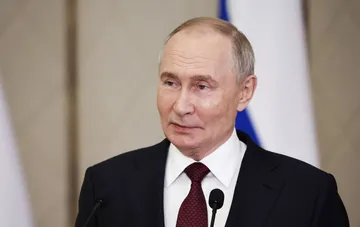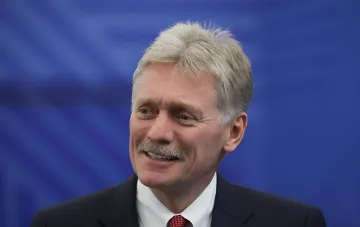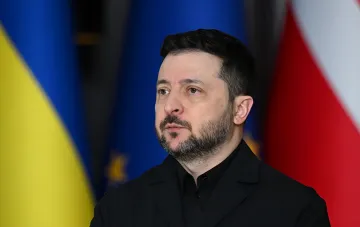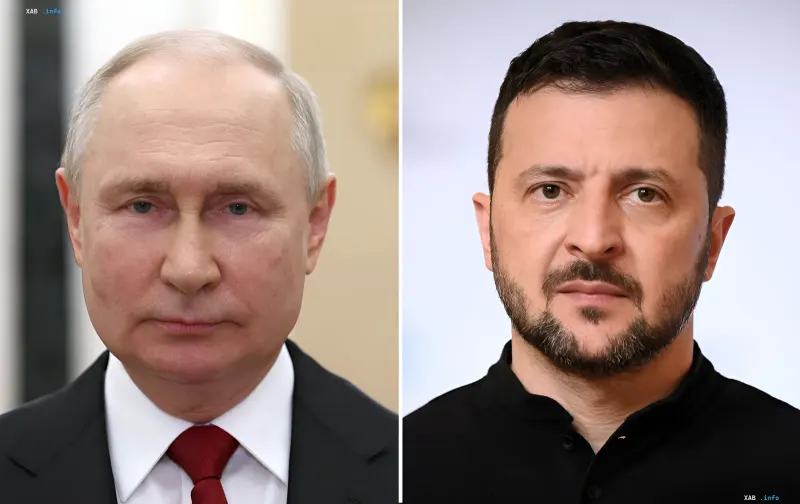
Russian Presidential Spokesperson Dmitry Peskov stated that Vladimir Putin is ready to discuss the situation with Volodymyr Zelensky by phone, but the initiative must come from Kyiv. According to RBC-Ukraine, citing Russian media, when asked about the Kremlin leader's readiness for a conversation if initiated by the Ukrainian president, Peskov answered affirmatively while shifting the responsibility for the first call onto Zelensky.
'No one has called yet'
According to the Kremlin representative, formally the channel for telephone contact is open, but in practice it is not utilized: the President of Ukraine must initiate the call. Thus, Moscow essentially places the burden of making the first move on Kyiv, without giving a direct refusal to dialogue. Peskov's phrasing leaves room for interpretation: readiness is stated, but its implementation is conditioned upon the action of the other side.
'Open to dialogue with everyone'
Journalists also asked the spokesperson whether Putin would answer a call from French President Emmanuel Macron or German Chancellor Friedrich Merz. Peskov assured that the head of the Russian state is 'open to dialogue with everyone' and 'will also pick up the phone.' This statement was made against the backdrop of ongoing contacts between Moscow and Western capitals regarding issues related to conflict resolution.
Moscow as a meeting venue
Earlier, Russian Presidential Aide Yury Ushakov stated that Volodymyr Zelensky could come to Moscow to meet with Vladimir Putin, adding that the Ukrainian leader would be 'provided with all conditions, including in terms of security.' These statements were made in the context of discussing possible formats for direct negotiations between the two capitals.
Kyiv's position
Ukrainian Foreign Minister Andrii Sybiha, responding to the proposal for a meeting in Moscow, noted that such initiatives should not be taken seriously. According to him, the presidents of Ukraine and Russia could meet anywhere except on the territory of Russia or Belarus. Thus, Kyiv rejects the Moscow venue, insisting on a neutral or alternative location, which creates a direct divergence in the parties' positions on the venue for potential contact.