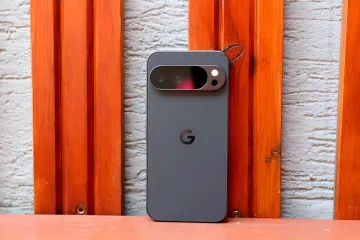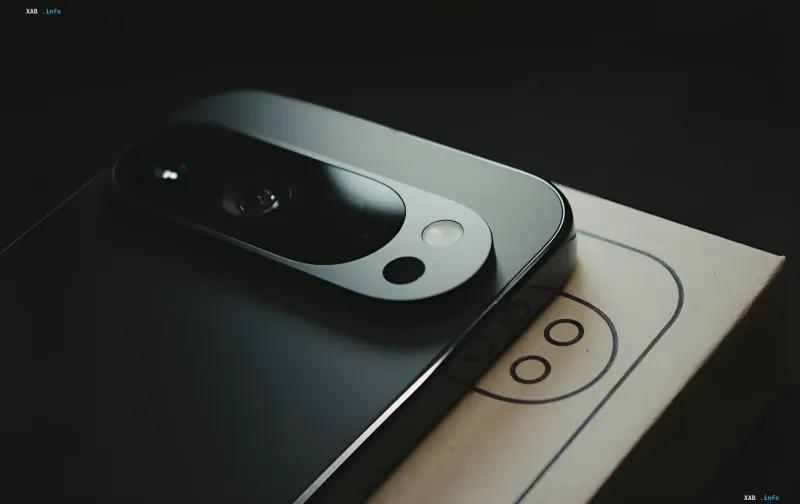
In the world of mobile technology, where bezel-less screens and minimalism have long become the standard, Google seems ready to bring back one of the most nostalgic features of the first Android smartphones. Insiders report that the new Pixel 11 lineup will receive a modern interpretation of the LED notification indicator, which was once the hallmark of devices ranging from the HTC Dream to the Samsung Galaxy S series.
HiLight: new life for an old idea
The LED notification indicator was an indispensable element for a long time. It allowed users to see that a call or message had arrived, even if the device was lying face down or was locked. However, with the advent of panels with minimal bezels, the space for a separate LED on the front panel disappeared.
According to data obtained from insiders, in the Pixel 11 lineup, this function will be taken over by the flash of the main camera on the rear panel. The new feature is called HiLight. This solution allows for the utility of the indicator to be preserved without compromising the design of the front panel.
How HiLight works
The capabilities of the new system will differ from the classic blinking indicators of years past. According to promotional materials, HiLight will perform the following tasks:
- Call notifications: The flash will light up during incoming calls from selected or important contacts.
- AI interaction: The indicator will signal when the Gemini voice assistant is activated or communicating.
- Spatial orientation: Since the flash is located on the back, the backlight will be useful when the smartphone is lying face down. This will allow users to see important signals without unnecessary distractions from the screen.
It is important to note that at this time, there is no confirmation that HiLight will blink upon receiving standard text messages or notifications from third-party applications. The feature will likely focus on critical events.
Pixel 11 lineup: models and specifications
The new series will include four models: the base Pixel 11, 11 Pro, 11 Pro XL, and the foldable Pixel 11 Pro Fold. All devices will receive significant hardware updates.
Processor and memory: All models will run on the new Tensor G6 chipset. RAM will range from 12 to 16 GB, which is a significant step forward for performance and multitasking.
Display: The Pixel 11 Pro and Pro XL models may receive brighter screens with a peak brightness of up to 3600 nits. For the base Pixel 11, this figure will likely remain at 3000 nits, which is still an outstanding result for modern smartphones.
Battery: Battery capacity will preferably correspond to the previous generation, with the exception of the Pixel 11 Pro Fold, where a 4806 mAh battery is expected.
Contradictory data
There are discrepancies regarding the visual design of the Pixel 11 rear panel. While some sources speak of the HiLight function using the flash for notifications, other leaks point to the appearance of Pixel Glow technology — RGB backlighting on the rear cover.
According to sources (3dnews.ru, notebookcheck-ru.com), in some concepts and image leaks, the Pixel 11 Pro is depicted with RGB LEDs that can change color. This creates uncertainty: will Google use only the flash for notifications (HiLight) or implement a full-fledged RGB system (Pixel Glow) that can perform both aesthetic and functional tasks?
Design changes
In addition to new features, leaks indicate changes in the hardware. In particular, the absence of a temperature sensor, which was present in previous Pixel versions, is expected. This may be related to optimizing space inside the body or changing approaches to overheating monitoring.
The return of the notification indicator in the Pixel 11 is an example of how Google is trying to combine modern design trends with functionality that users still value. We just have to wait for the official presentation to find out exactly how HiLight and possible RGB effects will be implemented in the final version of the devices.