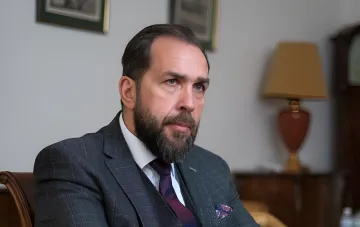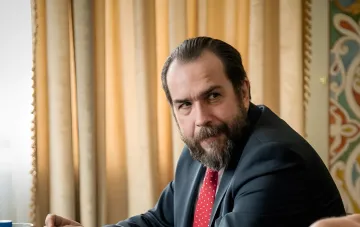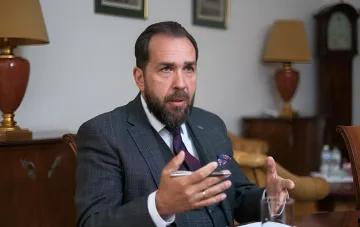
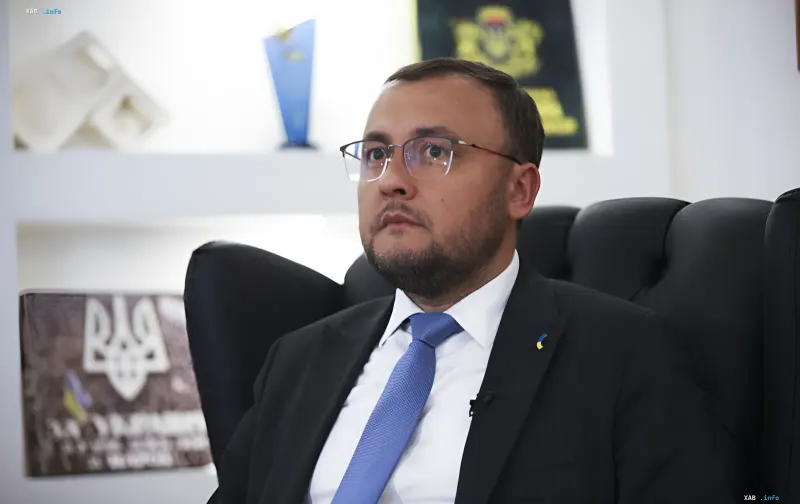
August 19, 2026. Diplomatic relations between Ukraine and Poland regarding historical memory have reached a critical point. Ukrainian Ambassador to Warsaw Vasyl Bodnar, in an exclusive interview with the Polish publication RMF 24, highlighted a systemic issue: Kyiv has been unable to obtain permission for search operations on Polish territory for months, while Ukraine freely grants similar permissions to the Polish side.
Asymmetry in Matters of Memory
According to the diplomat, the Ukrainian side operates through a working group and does not create obstacles for Polish specialists seeking to find the remains of World War II victims on Ukrainian lands. However, Warsaw's response remains negative. Bodnar emphasized that the Ukrainian side is facing insurmountable bureaucratic barriers. "I would urge the Polish side to issue at least one permit for search operations in Poland," the ambassador stated, pointing out that Kyiv has been trying to coordinate work in at least one location for several months but receives only refusals or restrictions.
Completion of Work in Volhynia
Against the backdrop of diplomatic pressure, practical work on the return of remains continues in Ukraine. The Ukrainian Institute of National Remembrance (UINR) officially announced the completion of the exhumation of World War II victims on the territory of the former villages of Ostrovky and Volya Ostrovetska in the Volyn region. This event was made possible through inter-agency cooperation, which, however, takes place against the backdrop of a complex and tense history of relations between the two countries.
Political Context and Warsaw's Demands
The issue of historical memory and the Volhynian tragedy remains one of the most acute in the relations between Warsaw and Kyiv. In recent years, the Polish Sejm has adopted new resolutions commemorating the anniversary of the events in Volhynia, which prompted calls from Ukraine for an equal dialogue. The Polish side continues to make strict demands, stating that the recognition of the Volhynian tragedy as a genocide is a condition for Ukraine's further European integration. These political disagreements create an atmosphere of distrust, despite the fact that practical cooperation continues on the ground.
Contradictory Data
There are different assessments of the situation in the public sphere. On the one hand, Ukrainian diplomats and representatives of the UINR insist that Warsaw is deliberately blocking access to burial sites, citing bureaucracy. On the other hand, Polish officials often declare their readiness to cooperate but point to the need to comply with security procedures and coordinate routes. While Kyiv reports of "months of waiting" and refusals, Warsaw may interpret these delays as a technical necessity. Nevertheless, the fact of the absence of a single coordinated schedule for the Polish side on Ukrainian territory and, conversely, the blocking of the Ukrainian side in Poland remains a subject of sharp debate.