The situation in the skies over the Baltic Sea intensified in mid-July. On the 16th, Russian military aircraft appeared near Poland's borders again, forcing Warsaw to scramble its fighters for interception. According to Polish Defense Minister Władysław Kosiniak-Kamysz, three instances of Russian aviation presence in the area were recorded in a single day.
Two interceptions in one day
Polish authorities reacted immediately to the appearance of Russian aircraft. Throughout the day, Polish fighters were scrambled twice to escort and identify the Russian aircraft. As the minister clarified, the Russian side is essentially testing the capabilities of Polish air defense systems, checking their reaction to the approach.
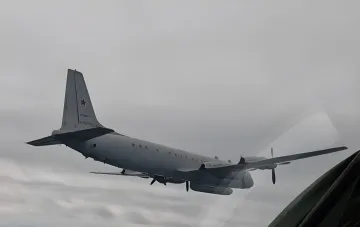
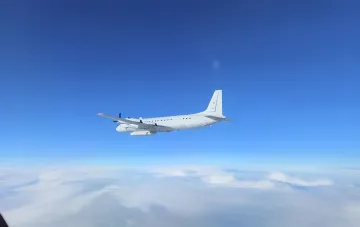
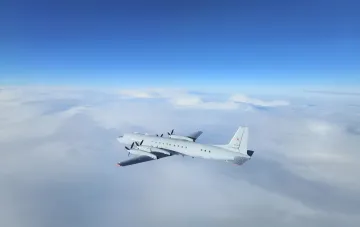
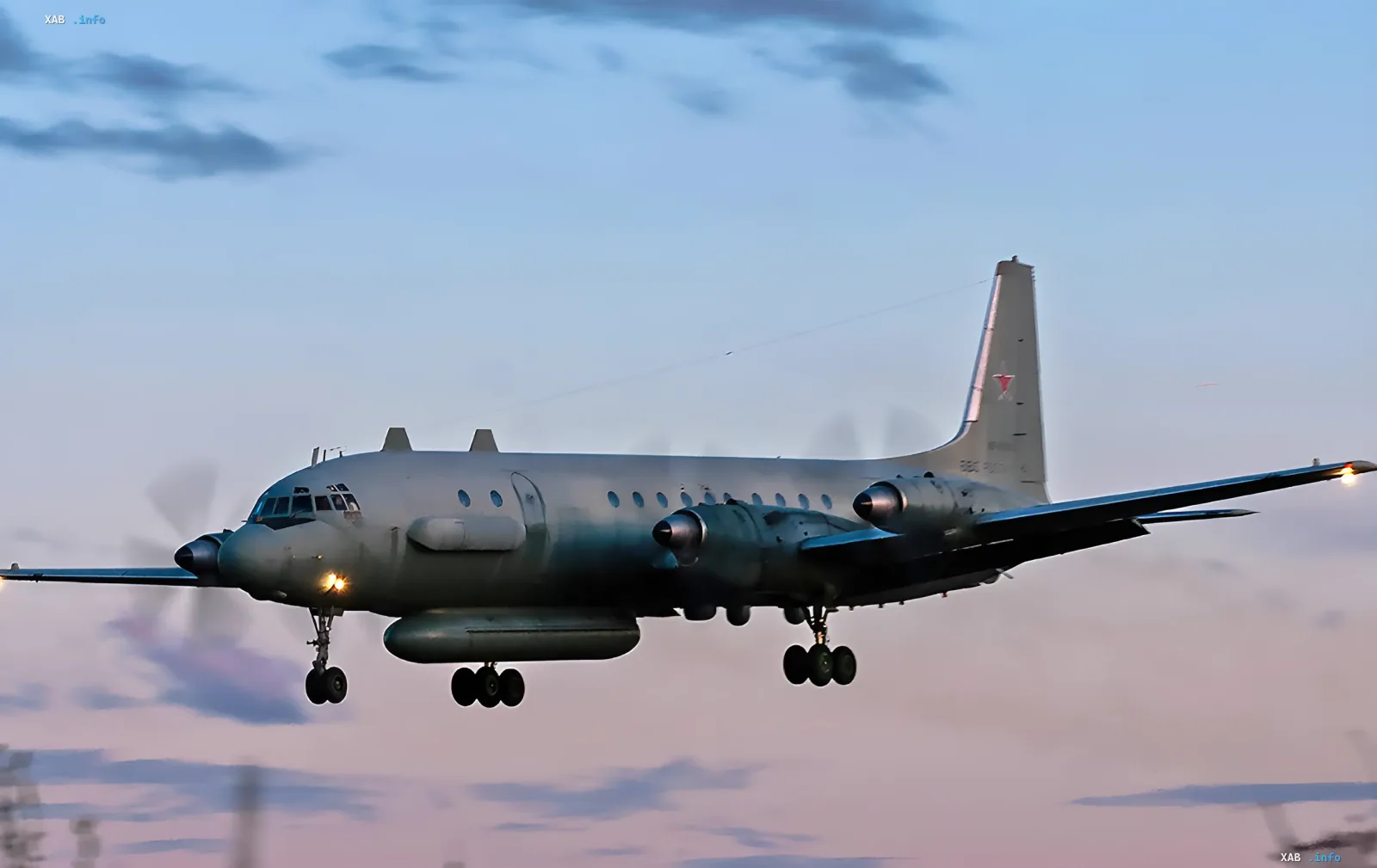
The first incident involved a pair of Su-30 multirole fighters. They were intercepted by Polish aircraft that took off from the base in Malbork. The second episode concerned an Il-20 reconnaissance aircraft. Its interception was carried out approximately 30 kilometers north of Jastrzębia Góra.
Escort handover to Sweden
An interesting detail was the subsequent route of the Il-20 reconnaissance aircraft. After the Polish fighters completed their interception task, responsibility for escorting the Russian aircraft was transferred to Swedish combat aircraft. This indicates coordinated actions by NATO countries in the region to monitor airspace.
Władysław Kosiniak-Kamysz emphasized an important nuance: in both cases on July 16, Russian aircraft did not violate Poland's state airspace. They operated over neutral waters or international airspace, which does not provide a formal reason for the use of weapons but requires constant vigilance.
A series of provocations in July
The incident on July 16 was not an isolated one. Tensions in the region have been rising for several days. Just a week prior, on July 15, two Russian Su-30SM2s approached the site of Polish air defense exercises, which also required an urgent interception. Even earlier, on July 14, an Il-20 reconnaissance aircraft approached the border of Poland's airspace over the Baltic and was intercepted by a pair of fighters.
A similar situation is unfolding in the skies over Sweden. On June 12, Swedish pilots in JAS 39 Gripen fighters were forced to intercept two Russian military aircraft near Swedish airspace. Regular flights of Russian aviation near the borders of NATO countries over the Baltic Sea have become the new normal, requiring allies to constantly increase their combat readiness.