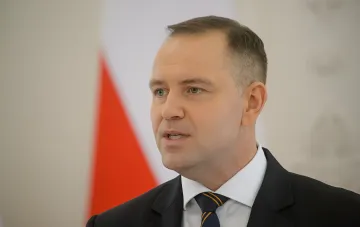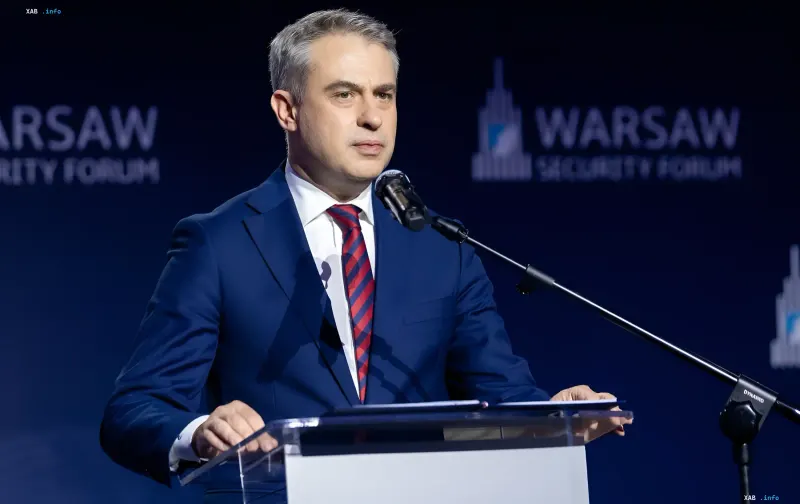
Polish Minister of Digital Affairs Krzysztof Gawkowski has issued a sharp rebuke against major social media platforms, stating that they effectively act as "silent allies" of Russia in the digital war unleashed against Europe. According to the head of the ministry, insufficient action by platforms against Russian disinformation allows bots and fake accounts linked to the Kremlin's GRU to freely spread false information. Gawkowski emphasized that Warsaw has issued a number of specific demands to the companies and warned that any government request left unfulfilled will trigger a financial sanctions procedure.
Scale of the Problem: 65,000 Reports and 7% Removals
A key argument supporting the minister's accusations came from data provided by the Polish research institute NASK. In the first half of 2026, the organization sent social media platforms more than 65,000 reports regarding identified fake accounts and instances of disinformation spreading. However, according to NASK, the platforms responded to less than a quarter of these appeals. Only 7% of the reported cases resulted in content removal, while just over 17% underwent moderation. Gawkowski regarded these figures not as technical inefficiency, but as "conscious actions by platforms that profit from disinformation, use it, and view it as a source of revenue."
Warsaw's Demands: Polish Moderators and Instant Bot Deletion
As part of its demands, the Polish government has ordered social media platforms to establish effective moderation teams operating in Polish and maintaining direct, real-time communication with organizations reporting suspicious content. Gawkowski also demanded the elimination of what he called "fictitious appeal procedures," the immediate removal of any detected bot networks, and a substantial reduction in response times to reports. The minister explicitly stated that failure to comply with government requests will be met with financial sanctions.
Context: Digital War and Campaign Ahead of Independence Day
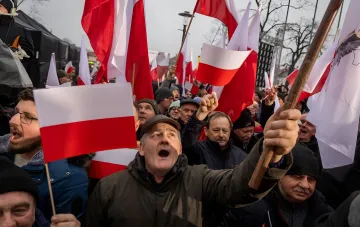
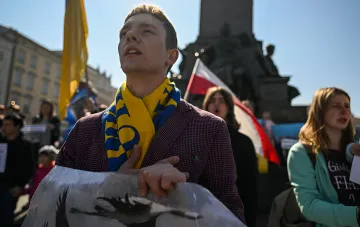
Gawkowski's speech came against the backdrop of an intensified Russian disinformation campaign timed to coincide with Poland's Independence Day. According to the Center for Countering Disinformation (CCD), Moscow actively spread fakes regarding the deterioration of relations between Warsaw and Kyiv, as well as alleged Polish "fatigue" with supporting Ukraine. The CCD believes the Kremlin's strategic goal is to weaken the unity of the European community and undermine international support for Kyiv. The Digital Affairs Minister's statement was part of a broader government response to this campaign.
What's Next: Sanctions as a Pressure Tool
The threat of financial sanctions by Poland aims to turn voluntary moderation into a mandatory condition for platforms operating in the Polish market. If Warsaw implements its stated course, it could become one of the first precedents where a European state directly fines social media companies for inadequate responses to specific content categories. For platforms, this means restructuring local moderation processes and building an institutional dialogue with the regulator in a format that has never existed before.