Sharp Surge in Propaganda: CPD Data Analysis
As of August 2026, the information space of Poland has become the arena for an unprecedented hybrid attack. The Center for Countering Disinformation (CPD) has recorded a critical increase in the volume of anti-Ukrainian content disseminated from Russia. Statistics show that the number of such messages has grown by 250% compared to the previous period. This surge is not accidental: it is synchronized with Moscow's attempts to destabilize a key alliance for Kyiv, exploiting vulnerabilities in public consciousness.
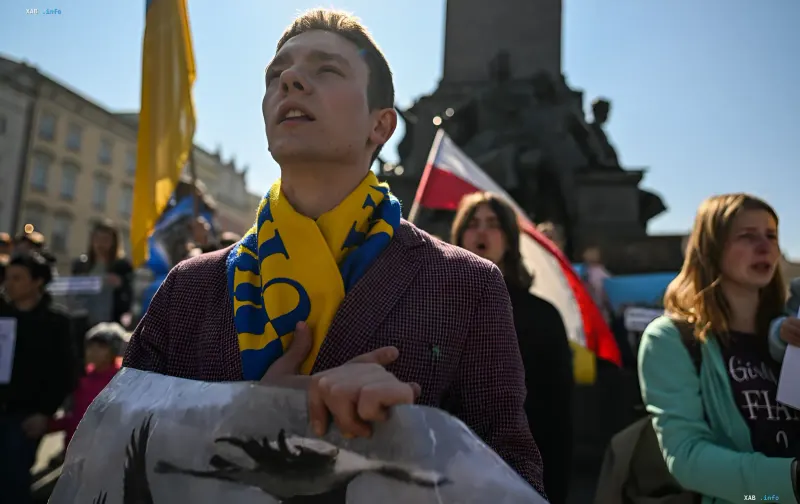
According to experts, the Kremlin has moved from passive observation to the aggressive implantation of narratives. The main goal of the campaign is not just the discrediting of Ukraine, but the creation of an artificial barrier of distrust between Warsaw and Kyiv. Russia seeks to destroy the strategic partnership that has become the foundation of regional security in the context of a protracted conflict.
Historical Myths as a Tool of Destabilization
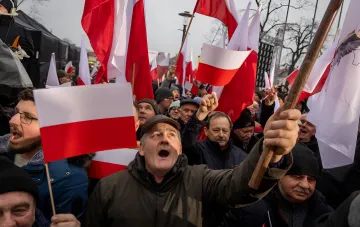
A key element of the new Russian propaganda strategy is the exploitation of historical memory. As CPD analysts note, Moscow deliberately uses topics sensitive to Polish society related to World War II events. These historical issues remain painful, and their artificial exacerbation allows the Kremlin to manipulate citizens' emotions.
By preaching narratives of "betrayal" or historical injustice, the Russian side attempts to shift the focus of attention from the current threat posed by the RF to internal contradictions between neighbors. This is a classic "divide and rule" scenario adapted to modern realities. The goal is to make Polish society doubt the reliability of the Ukrainian partner, replacing geopolitical interests with historical grievances.
Technological Revolution: AI and Bot Networks
The scale of the campaign has become possible thanks to the active implementation of advanced technologies. A massive appearance of content generated using artificial intelligence has been recorded in Poland. Unlike old methods where fakes were created manually, algorithms now generate thousands of text, image, and video variants that are difficult to distinguish from real news.
Parallel to AI, a powerful network of bots in social media is used. These automated accounts create the illusion of public resonance, artificially inflating the tension. When a user sees that anti-Ukrainian posts are liked and commented on by hundreds of "users," it creates a false impression of the dominant opinion in society. This approach allows the Kremlin to quickly test different narratives and scale those that generate the most response.
Fakes about Missiles and "Financial Slavery"
Among the most aggressive insertions recorded in August 2026 are false messages about a "Ukrainian missile" allegedly threatening Polish cities. These fakes are designed to cause panic and fear of Kyiv's military actions. Additionally, the myth that "Poland will support the Ukrainian Armed Forces for 10 years" is actively spreading. This narrative exploits citizens' economic fears, creating an image of Ukraine as a parasitic neighbor draining Poland's resources.
The goal of such messages is to form a persistent negative attitude towards Ukrainians. If Poles believe that their budget is going to support a foreign army and their security depends on "unpredictable" missiles, this will inevitably lead to a rise in xenophobia and pressure on the government to revise its policy of supporting Ukraine.
Polish Response: Preparing for the Worst-Case Scenario
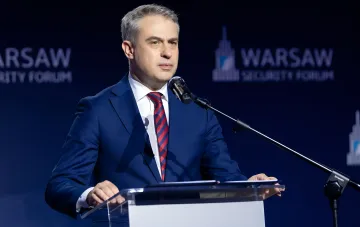
Despite the intensity of the information attack, Polish authorities remain vigilant. Deputy Minister of National Defense of Poland Cezary Tomczyk confirmed that Warsaw is already preparing for a possible scenario of direct war with Russia. This indicates that Poland takes the threat seriously and does not allow disinformation to paralyze its defense plans.
At the same time, official representatives of the country express hope that open conflict will not occur. Polish diplomats and military personnel emphasize the importance of maintaining unity with Ukraine, understanding that breaking this alliance would be a strategic mistake that the Kremlin would happily turn into a victory. The fight against disinformation has become as important a front as strengthening borders.