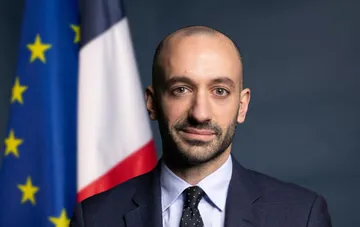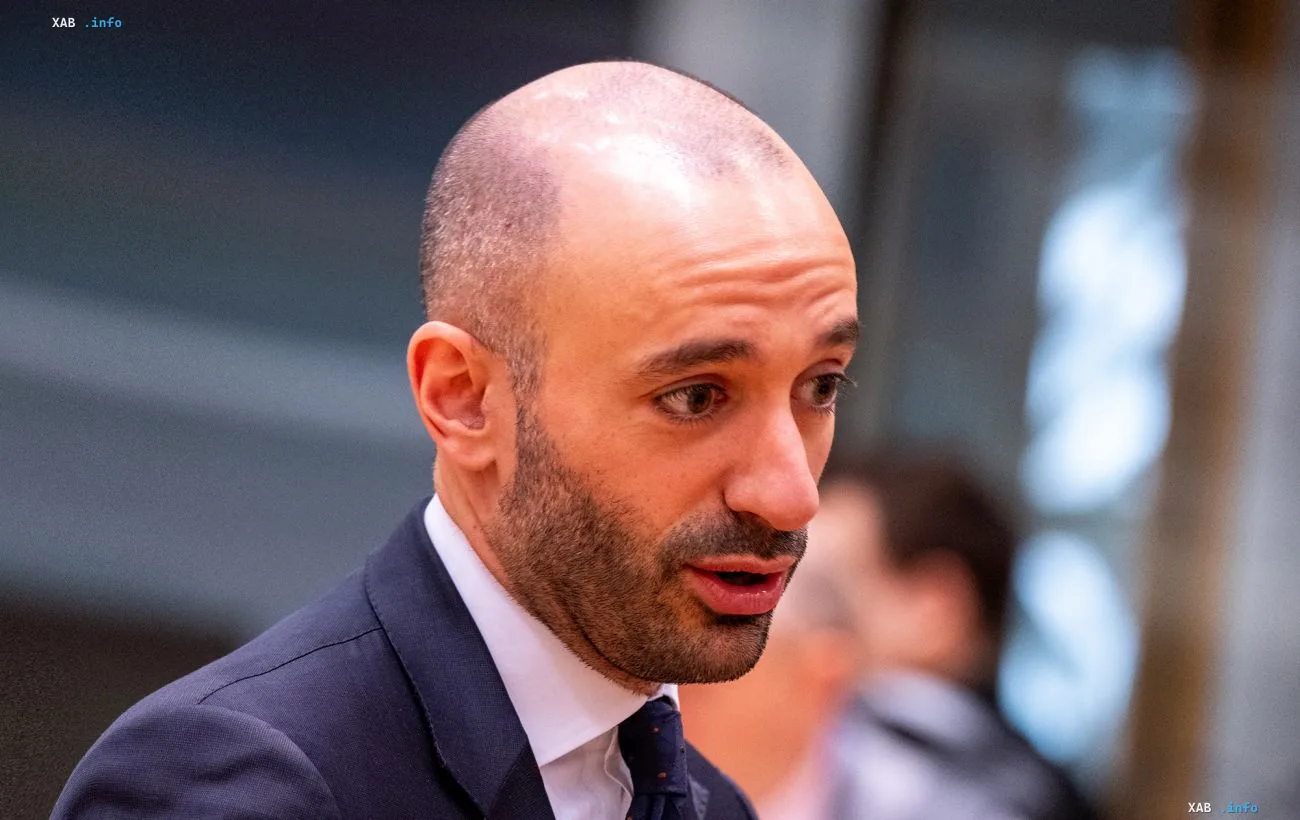
France’s Minister-Delegate for European Affairs, Benjamin Addad, stated in an interview with RBC-Ukraine that France has become the main target of Russian disinformation and propaganda operations. According to him, Moscow actively uses the internet space to spread pro-Russian messages, with democratic countries being the first to face foreign interference. The statement came against the backdrop of ongoing pressure from Russian information structures on European states and sparked wide resonance in EU political circles.
Why Moscow Focuses on Paris
Addad directly linked the heightened attention from Russian leadership toward France to its key role in European security matters. “France is the main target of disinformation and propaganda operations from Russia, probably because they know that we are a major supporter and a key player in Europe when it comes to security issues. But the same applies to our neighbors,” noted the representative of President Emmanuel Macron. Thus, the French official pointed to Moscow’s strategic logic: the greater a state’s influence in the architecture of European security, the more intense the information attacks directed against it.
Hybrid War as a Systemic Tool
In his remarks, Addad emphasized that this is not a matter of isolated incidents but of a systemic hybrid war that Russia is waging against Europe’s democratic institutions. Pro-Russian narratives, he said, are spread through disinformation on the internet, allowing Moscow to influence public opinion without direct military confrontation. The French minister called for calm and urged not to fall for provocations, while continuing to build robust mechanisms to counter foreign interference. “I think that in moments like these, we need to stay calm and keep moving forward. We must defend ourselves against interference, against hybrid war. We must continue what we are doing for our security and the security of Ukrainians, and not stop in the long term,” Addad stated.
Support for Ukraine Beyond Macron’s Presidential Term
Separately, Addad confirmed that Paris’s course of supporting Ukraine is not tied to the personal presidential term of the incumbent head of state. According to him, France’s assistance to Kyiv will continue even after the end of Emmanuel Macron’s mandate. This statement is significant in the context of upcoming political cycles in France and is aimed at reducing uncertainty regarding Paris’s long-term commitments to the Ukrainian side.
Context: Information Pressure on the EU
Addad’s statement fits into a broader context of growing information pressure on European states. Amid the ongoing conflict in Ukraine, Russia, according to European intelligence assessments, is increasing the scale of coordinated campaigns on social networks and news platforms. France, as a permanent member of the UN Security Council and one of the leading military players in the EU, occupies a special place among the priority targets for Russian information influence. At the same time, as Addad emphasized, the threat extends to neighboring countries as well, underscoring the need for a coordinated response at the level of the entire European Union.