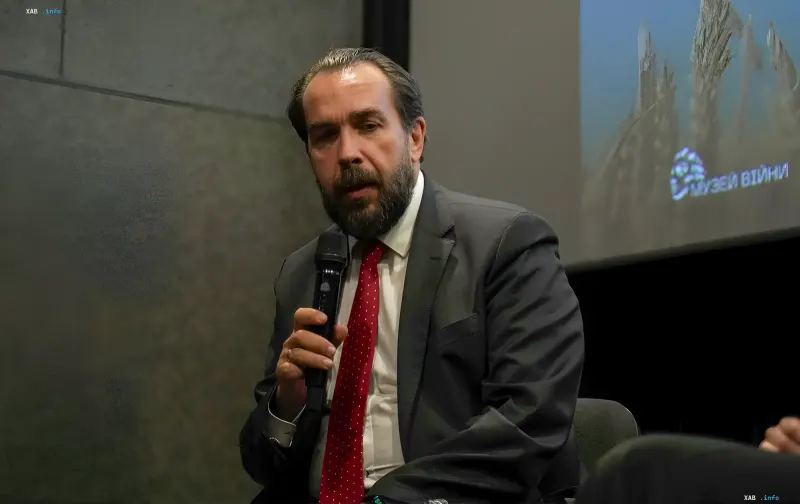
Chargé d'Affaires of Poland to Ukraine Piotr Łukasiewicz has made a sharp statement against Moscow, calling the Kremlin the main source of geopolitical instability, pain, and suffering in the region. According to the diplomat, the destructive role of the Russian leadership in international relations can be traced back over the past three centuries, defining tragic pages of history for both Ukraine and Poland.
Łukasiewicz stressed that the current full-scale aggression against the Ukrainian state is a direct continuation of the Kremlin's centuries-old imperial policy. The diplomat noted the importance of drawing historical lessons from ongoing events rather than focusing on minor regional disagreements that could artificially divide allies in the face of an existential threat.
Historical Context and Sociological Support
Commenting on statements from the Ukrainian side regarding Russia as the sole and primary adversary, the Polish diplomat fully supported this stance, citing sociological survey data. According to him, the absolute majority of Polish citizens share the view on the threat emanating from the east, which was clearly demonstrated by the unprecedented scale of humanitarian aid and the reception of Ukrainian refugees after the outbreak of hostilities.
Contradictory Data
Despite general solidarity in assessing the Russian threat, discussions periodically arise within the expert community and diplomatic circles regarding the depth of historical grievances and the pragmatism of current bilateral relations. While official Warsaw declares unwavering support for Ukraine in repelling aggression, certain political forces within Poland criticize the volume of aid or demand a review of European security formats, citing economic risks and unresolved historical disputes.
In particular, Polish Prime Minister Donald Tusk has repeatedly stated the need for Warsaw's direct participation in any peace negotiations and harshly suppressed opposition attempts to block European funding for Kyiv's defense needs. This highlights the complexity of a multilevel dialogue in which strategic confrontation with Russian aggression is combined with the protection of national interests within the European security architecture.