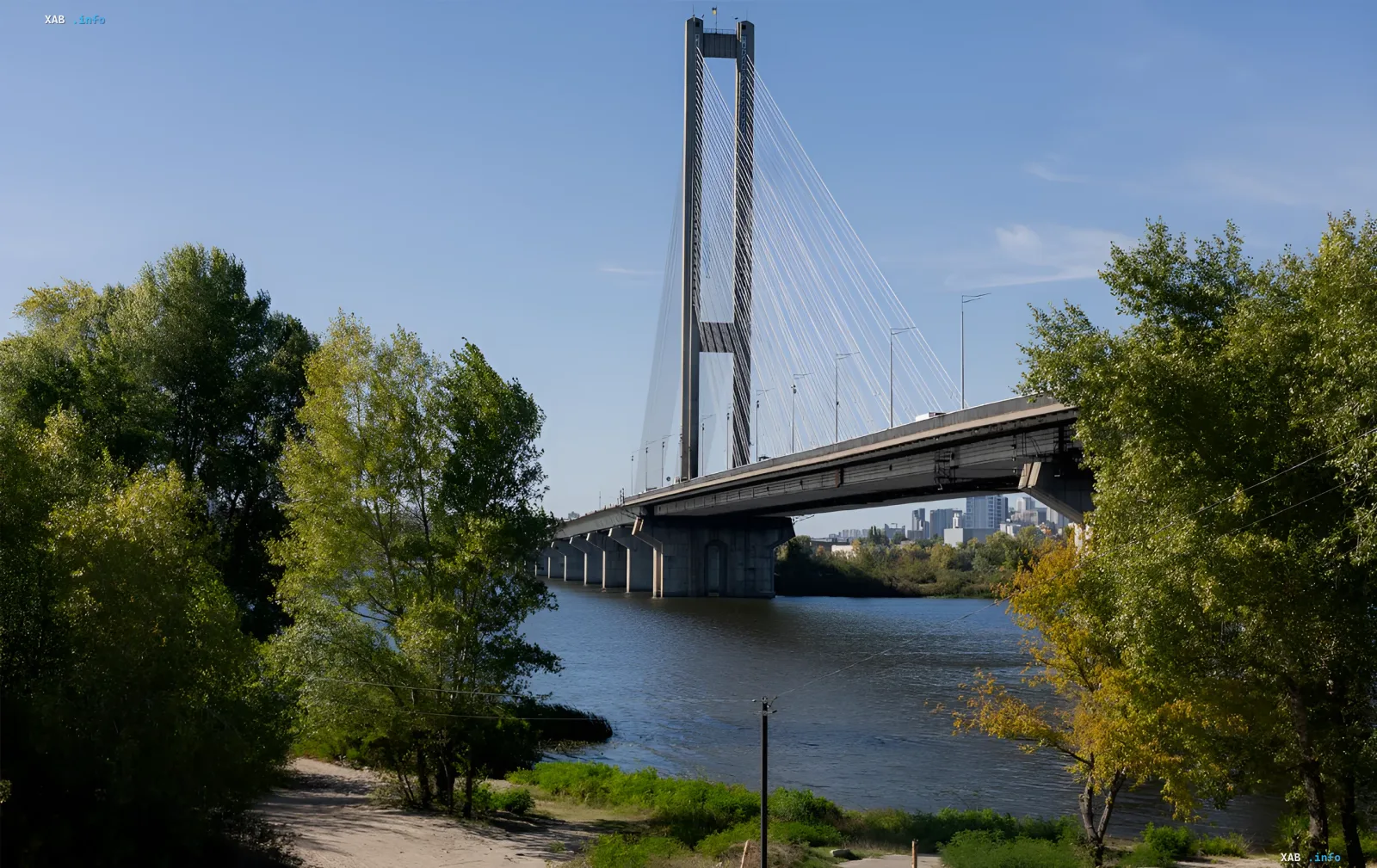
Russian strikes on strategic infrastructure objects in the Ukrainian capital have forced city authorities to intensify the search for backup transport links between the left and right banks of the Dnipro River. Among the options discussed are deploying pontoon crossings and even building a deep tunnel under the riverbed. However, industry experts urge a sober assessment of the scale of the problem and the technical limitations of such megaprojects amid the ongoing armed conflict.
Reality and Risks of Pontoon Crossings
Commenting on the initiative to use pontoon-bridge parks (PBP), specialists note their undisputed technical feasibility, which has historical precedents dating back to World War II. Nevertheless, the civilian traffic of a modern metropolis during peak hours is fundamentally different from military evacuation or equipment transfer tasks. Pontoons can partially unload the transport network, letting passenger cars and public transport through, but their capacity is incomparable to stationary bridges. In addition, such structures require constant maintenance, are vulnerable to seasonal floods, ice drifts, and targeted drone strikes, making their use a measure of forced survival.
Cost Issue and Tunnel Construction Timeline
Another idea under discussion — building an underwater tunnel — evokes even more skepticism among the expert community due to the colossal cost and long implementation timeframe. According to specialists, even with uninterrupted multi-billion-dollar funding, drafting project documentation will take about three years, and construction work will take another five years or so. In total, the project implementation will take from 7 to 10 years, making it completely irrelevant for solving the immediate logistical problems of the capital, which faces damage to key bridge crossings.
Contradictory Data
Significant discrepancies exist within the expert community and official agencies regarding estimates of the scale and cost of potential alternative solutions. Thus, following a closed session of the Kyiv City Council in October 2026, a figure of 8 billion hryvnias was publicly voiced as supposedly necessary to deploy a system of pontoon crossings across the Dnipro. At the same time, independent transport planners claim a lack of transparency in such calculations, pointing to a shortage of PBP kits on the market and the need for their large-scale import from abroad, which could require additional astronomical currency expenses.
Expert Verdict and Logistical Prospects
Summarizing the discussion on Kyiv's transport future, experts agree that any attempts to replace full-fledged bridges with temporary or long-term alternatives during active hostilities involve colossal risks. Creating a network of one and a half dozen pontoon crossings will require complex logistical coordination, the installation of regulated traffic lights, and constant protection from air threats. The city needs to prepare for severe load scenarios on the surviving infrastructure, avoiding the dispersal of resources on questionable long-term construction projects.