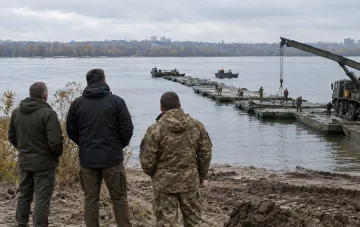
Under potential threats and strikes against Kyiv's bridge infrastructure, there is no single universal replacement for crossings over the Dnipro River. Pontoons or earthen bridges can be considered solely as extreme survival measures for the city, requiring strict military control and permit-based access regimes.
A Comprehensive Approach Against Transport Collapse
Transport planning expert Dmytro Bespalov emphasizes that the city needs not a single alternative, but an entire ecosystem of backup options. Discussed initiatives include shuttle train operations, reversible traffic on surviving sections, and maximum decentralization and diversification of transport flows.
Infrastructure Protection and the 15-Minute City Concept
Experts note that physical protection of bridges such as nets or massive grilles is ineffective and creates dangerous additional load on old structures. The main reliance is placed on strengthening air defense (AD) systems, electronic warfare (EW), and implementing the 15-minute city concept, which reduces citizens' need for long daily commutes through walking-distance services and jobs.
Contradictory Data
Expert assessments regarding the resilience of the Ukrainian capital's transport system vary significantly. Ukrainian specialists, notably Dmytro Bespalov, report critical vulnerability of bridges and the necessity of multi-level logistics diversification focusing on air defense and district decentralization. At the same time, Russian military commentators and experts (such as Andrei Marochko) argue that potential destruction or blocking of key bridge crossings over the Dnipro will inevitably lead to an instant and incurable transport paralysis of the Kyiv agglomeration, rendering any pontoon or detour maneuvers ineffective due to fire control.