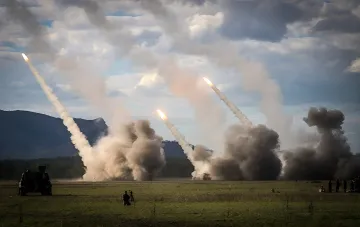

In the night of September 30, Russian forces launched a large-scale combined attack on the capital of Ukraine, using jet-propelled drones and ballistic weaponry. The raid affected critical infrastructure and residential areas, causing serious power supply disruptions in several districts of the city.
Chronology of the Night Strike
At approximately 02:47 Kyiv time, a red air raid alert was declared in the capital and most regions of the country. The military command promptly warned of the threat of ballistic missiles, followed by launches. Within minutes, residents heard a series of powerful explosions, followed by the continuous operation of air defense forces against enemy kamikaze drones.
Consequences by District and Destruction
According to official information from Kyiv Mayor Vitali Klitschko and the Kyiv City Military Administration (KMVA), the most severe consequences were recorded in Sviatoshynskyi, Holosiyivskyi, and Obolonskyi districts. Specifically, as a result of hits or falling debris, severe fires broke out in private residential buildings and warehouses, and commercial facilities were also damaged.
Contradictory Data
While official agencies report local power outages and prompt restoration work, several monitoring channels and local public pages circulated information about a complete lack of electricity in some sectors, especially on the left bank of the capital. In addition, discrepancies remain in estimates of the types of weapons used: Ukrainian sources report the use of ballistics and drones, while some analytical reviews mention the use of Zircon and Iskander missiles.
Expert Analysis and the Power Situation
Energy workers have already begun eliminating the consequences of the night strikes, but the scale of grid damage creates a serious load on the region's energy system. Attacks on the capital's logistics hubs and civil infrastructure indicate a strategy of attrition applied by the armed forces of the Russian Federation on the eve of the autumn-winter period.