The large-scale military campaign by the United States against Iran has reached a stage where funding has become critical for the functioning of the army. US Defense Minister Pete Hegseth, speaking before Congress for the first time since the resumption of intense bombing, announced a shocking figure: $37.5 billion has already been spent. This amount covers current operations and planned expenses through the end of September.
Rising Losses and the Threat of Disarmament
Human casualties in the conflict continue to rise. According to the latest data, the number of US military personnel killed has reached 18, while the number of wounded is approaching 430. Hegseth warned legislators that without the urgent allocation of additional funds, the army will not be able to function normally, creating a direct threat to national security. The Pentagon is already stating a need for $1.5 trillion for 2027.
Chairman of the Joint Chiefs of Staff Dan Kane confirmed the seriousness of the situation. According to him, funds for paying military salaries will be found, however, investments in the future and the maintenance of critically important equipment are in question.
Political Confrontation in Washington
Last month, President Donald Trump asked Congress for an additional $90 billion, most of which is intended for the Iranian campaign. However, dissatisfaction is growing in the legislative body. Many politicians fear the start of an "endless war" on the eve of the November elections. Senators complain about the secrecy of the White House: the administration is not disclosing detailed plans, which increases skepticism regarding the expediency of further spending.
Contradictions on the Front
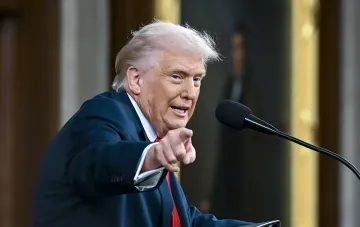
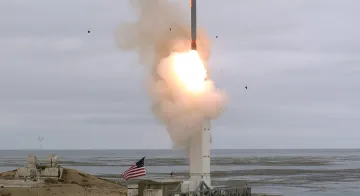
The situation on the ground looks paradoxical. Despite the signing of a ceasefire memorandum, hostilities continue with high intensity. The US has been striking Iranian army bases and military infrastructure for several days in a row. Donald Trump stated that the US does not intend to leave and does not consider the war over. In his speech, he noted that even with an immediate ceasefire, Iran would need 20 to 25 years to restore the destroyed infrastructure.