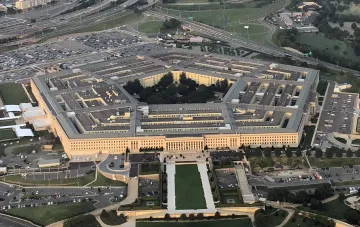
The United States of America has found itself facing colossal financial obligations. According to the Department of Defense, the cost of conducting an active military campaign against Iran has already exceeded the $37.5 billion mark. These shocking figures were announced by US Defense Secretary Pete Hegseth on July 21, 2026, during critically important hearings in the Senate Appropriations Committee.
The sum of $37.5 billion covers the period from the start of the operation and includes projected obligations until the end of the current fiscal year, which will conclude on September 30, 2026. This is not just statistics — it is the real price the American budget pays for every combat action in the region. Compared to the Pentagon's May estimates, when preliminary costs were assessed at $29 billion, the current figure demonstrates a rapid increase in spending, raising questions about the long-term sustainability of funding.
Where the Billions Go: Expenditure Structure
A detailed budget analysis presented by Hegseth shows that funds are distributed across several key areas. Major expense items include direct operational costs (O&M), maintenance of complex military equipment, logistics chain support, and personnel allowances. However, to cover the emerging deficit and continue operations, the Pentagon is forced to ask Congress for even more.
The Department of Defense has appealed to legislators for emergency funding of $67 billion. The structure of this additional package looks as follows:
- $21 billion — for accelerated procurement and replenishment of stocks of precision-guided missile weapons and ammunition, which are being consumed in huge quantities.
- $11.6 billion — for technological investments aimed at developing unmanned systems, satellite communications, and intelligence assets.
- $2 billion — for replacing and restoring military equipment damaged or lost during combat operations.
Budget Crisis and Political Struggle
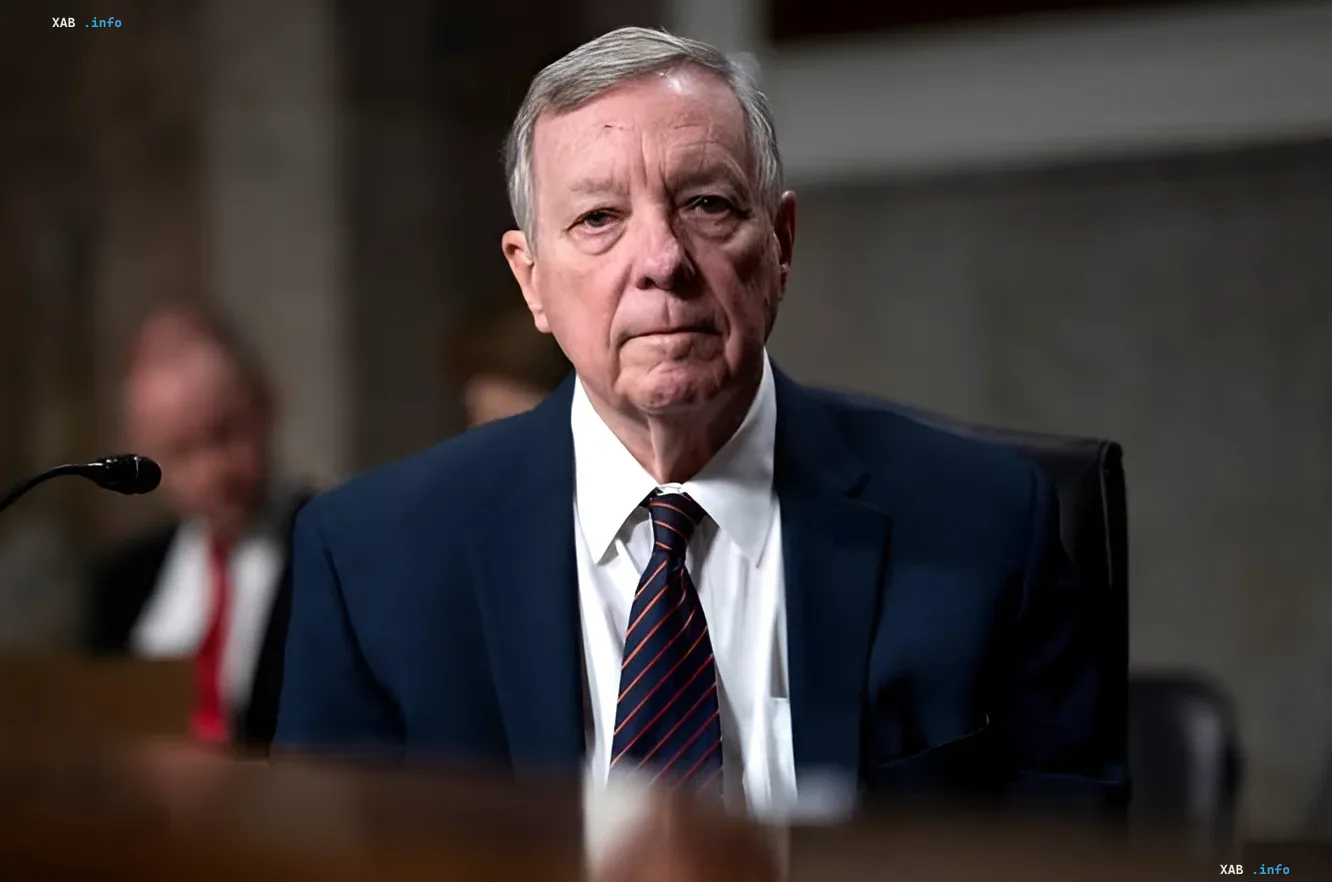
The situation in Congress is heating up. During the hearings, which also featured the Chairman of the Joint Chiefs of Staff, General Dan Caine, a comprehensive budget package of about $95 billion was presented. Pentagon leadership warned that delays in approving these funds could lead to a reduction in the intensity of combat training and the emergence of cash flow gaps in payments to military personnel.
However, legislators are not rushing to approve. Representatives of the Democratic Party, during the discussion, drew attention to the dynamics of spending growth and demanded a breakdown of the data. Senators want to understand the volumes of funds actually utilized and the scale of damage inflicted on the infrastructure of American facilities in the region. At the same time, according to US budget legislation (Title 31 U.S.C.), the allocation of emergency appropriations requires direct approval by both houses of Congress, making the process complex and politicized.