
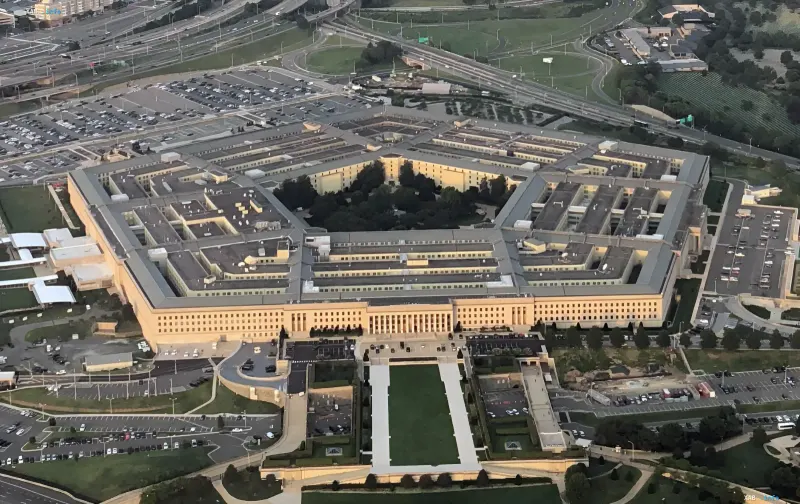
US Secretary of Defense Pete Hegseth has announced a radical restructuring of the senior command staff of the US Armed Forces. According to current reports, the department is preparing to cut the number of staff positions for generals and admirals by 20%. This decision marks a shift toward a more compact and combat-capable management structure, which is part of a broad Pentagon transformation program initiated by the head of the defense department.
Details of the reform are expected to be presented by the Secretary during a speech to personnel in Quantico, Virginia. This step significantly exceeds the ministry's initial plans, which envisioned cutting no more than 10% of high-level positions. Analysts note that the current strategy is aimed not only at direct layoffs but also at revising the military rank system and completely eliminating a number of administrative posts deemed redundant.
Change in priorities and ideological shift
Hegseth's reforms are accompanied by a change in personnel policy at military academies. According to a memorandum published yesterday, the Pentagon is ending the appointment of civilian specialists to faculty positions. This move is officially justified by the need to refocus military educational institutions exclusively on combat operations, minimizing academic overhead.
Conflicting data
Despite a clear vector toward cuts, there are different interpretations of how these changes will be implemented. Official sources emphasize the need to optimize the structure. At the same time, the Secretary's internal political opponents point to the risk of destabilizing the management system in the event of such a sharp personnel maneuver. Some experts doubt that the elimination of 20% of positions will occur without a painful break in leadership continuity within the armed forces.
Consequences for the US Army
The speech in Quantico will be a key moment in assessing the stability of Hegseth's course. Recall that the Minister's past initiatives, related to criticizing "fat generals" and fighting diversity programs, have already sparked a wave of public debate. Given the Pentagon's recent decision to classify weapon testing reports due to fears of data leaks related to AI, experts believe the current personnel shake-up is aimed at creating a "new type of army" entirely focused on technological dominance and direct military conflict.