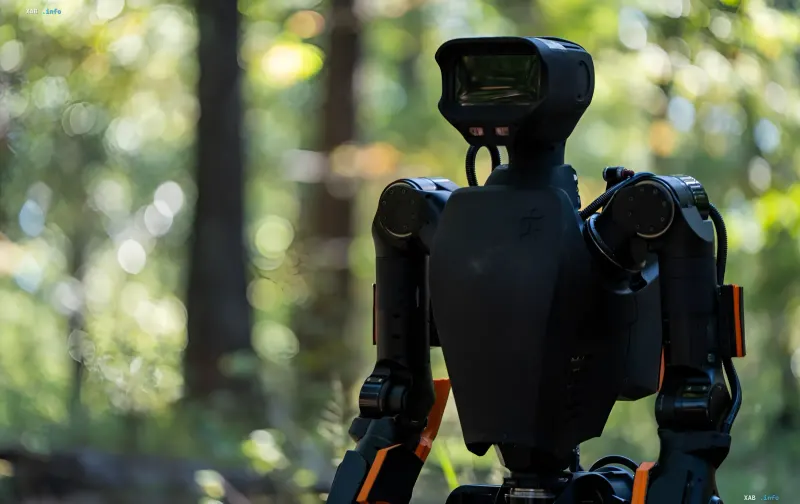
The US Army has summarized the results of the large-scale xTechHumanoid innovation competition aimed at integrating advanced developments in humanoid robotics into the military structure. The program was launched to identify the most promising commercial approaches and form a solid technological base for a fundamentally new direction in the armed forces.
Selection Stages and Scale of the Competition
The initiative sparked immense interest among developers, with a total of 103 applications submitted, covering both basic humanoid robot models and advanced technological solutions for their internal subsystems. Ten companies reached the final stage, nine of which were able to demonstrate their technologies live at the US Marine Corps Base in Quantico.
Winners and Integration Prospects
Following rigorous demonstration tests, the US Army officially announced five winning companies. This competition established a direct and effective link between commercial innovative developments and the actual operational needs of the Pentagon. This gives robot creators a unique opportunity to test their products in conditions close to combat, and the military to assess the potential of the machines.
Controversial Data
While official Pentagon press releases and leading industry publications emphasize the successful completion of tests by nine finalists in Quantico and the triumph of five winners, open sources still lack a complete and detailed public list of all five winning companies with descriptions of their specific models. Some analytical reports also diverge in their estimates of the timing for the full deployment of such systems in combat units.
International Context and Conclusions
The development of combat humanoids is becoming a global trend in military technology. Notably, in parallel with American initiatives in Ukraine, the Brave1 defense cluster also announced a grant competition for the creation of humanoid robots for the defense forces, emphasizing the urgent need to minimize risks for personnel in modern conflicts.