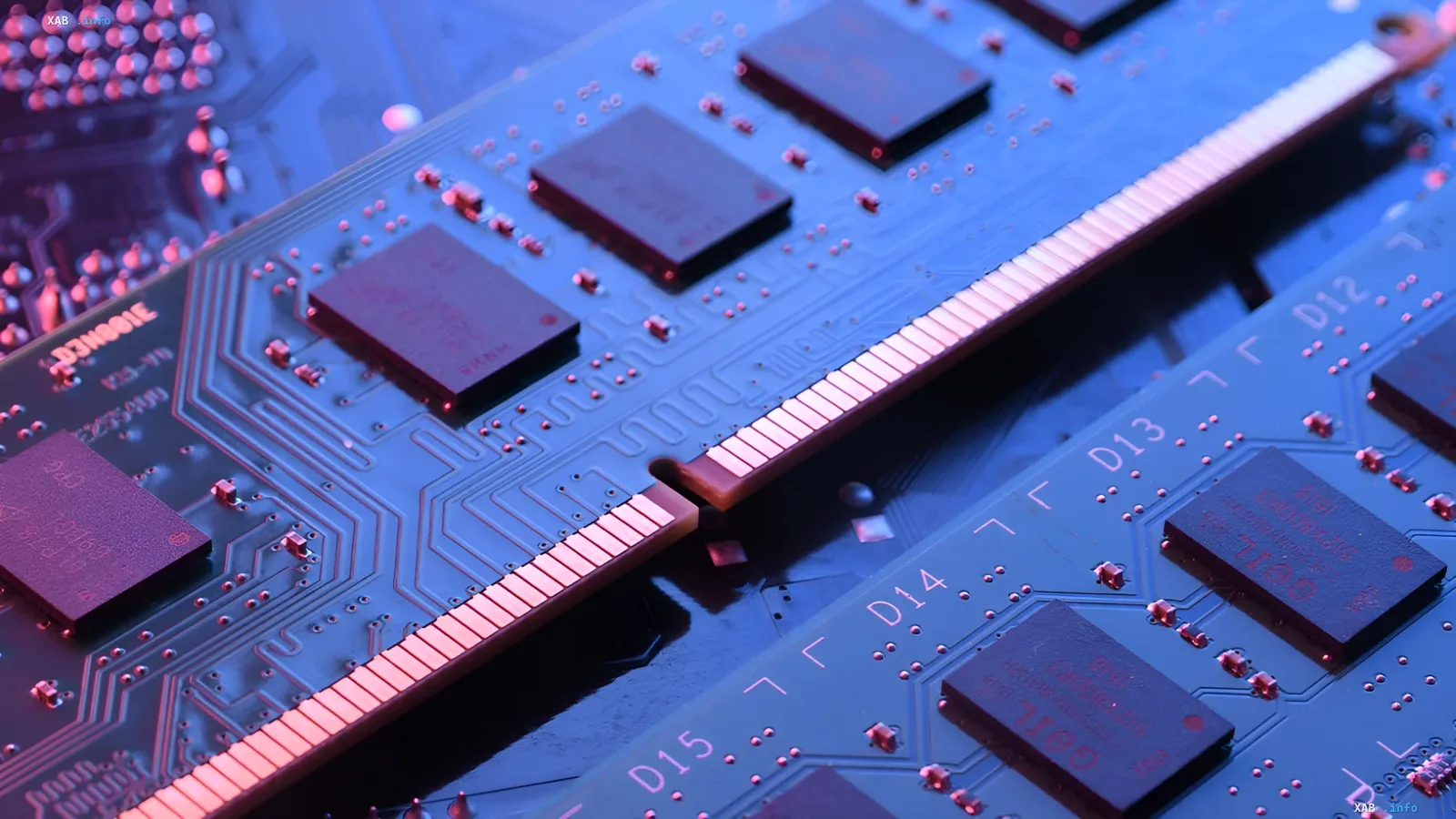
July 2026 marked a turning point for the global market of computer components. What began as temporary turbulence evolved into a prolonged crisis, driven by colossal demand from artificial intelligence data centers and massive contracts with OpenAI. The memory market, which seemed to have stabilized, received a powerful growth impulse, hitting the end consumer's pocket directly.
RAM: Records and No Bottom in Sight
After a brief lull, prices for desktop DDR5 memory surged upward again, showing an average increase of 7.1% over the last month. The current cost of modules has reached 450% of the July 2025 level, an absolute record for this segment. The situation is exacerbated by the fact that old stockpiles at low prices have been exhausted, and new supplies directly reflect the rise in manufacturers' contract prices.
Industry leaders such as Samsung and SK Hynix are adhering to a conservative strategy for capacity expansion. Manufacturers are wary of the classic "pig cycle" of overproduction, which could crash the market in the future. Given the shortage and high margins from the AI segment, a significant price drop is not expected before 2027–2028.
Mobile Segment and Storage: Nowhere to Run
July 2026 marks the "second wind" of the crisis for mobile devices as well. The cost of SODIMM RAM rose by 7.6% in a month, reaching a 3.75-fold level compared to the summer of 2025. Top-tier DDR5-4800+ modules have already become 5.1 times more expensive, making laptop upgrades practically inaccessible for the mass consumer.
The situation with solid-state drives (SSDs) remains relatively stable, although prices have risen by 2.1 times. Hard disk drives (HDDs) demonstrate a much more alarming trend: a 6.5% increase in a month and prices exceeding 2.25 times those of last year. Demand from the AI sector, which prefers affordable HDDs for cold data storage, has triggered a shortage that is now gradually spreading to all storage segments. External hard drives are also showing double-digit price increases.
Graphics Cards and the Threat of Price Shock
Graphics cards, despite a 16% price increase, are currently held back from soaring due to weak demand from gamers. However, the main threat lies in the depletion of stockpiles purchased under old contracts. Once retailers fully switch to purchasing at current industrial prices, buyers may face a new wave of price shock.
For end consumers, purchasing components remains an expensive necessity. Current trends point to the further consolidation of high prices, and the near future promises to be difficult for those planning to build or upgrade their PCs.