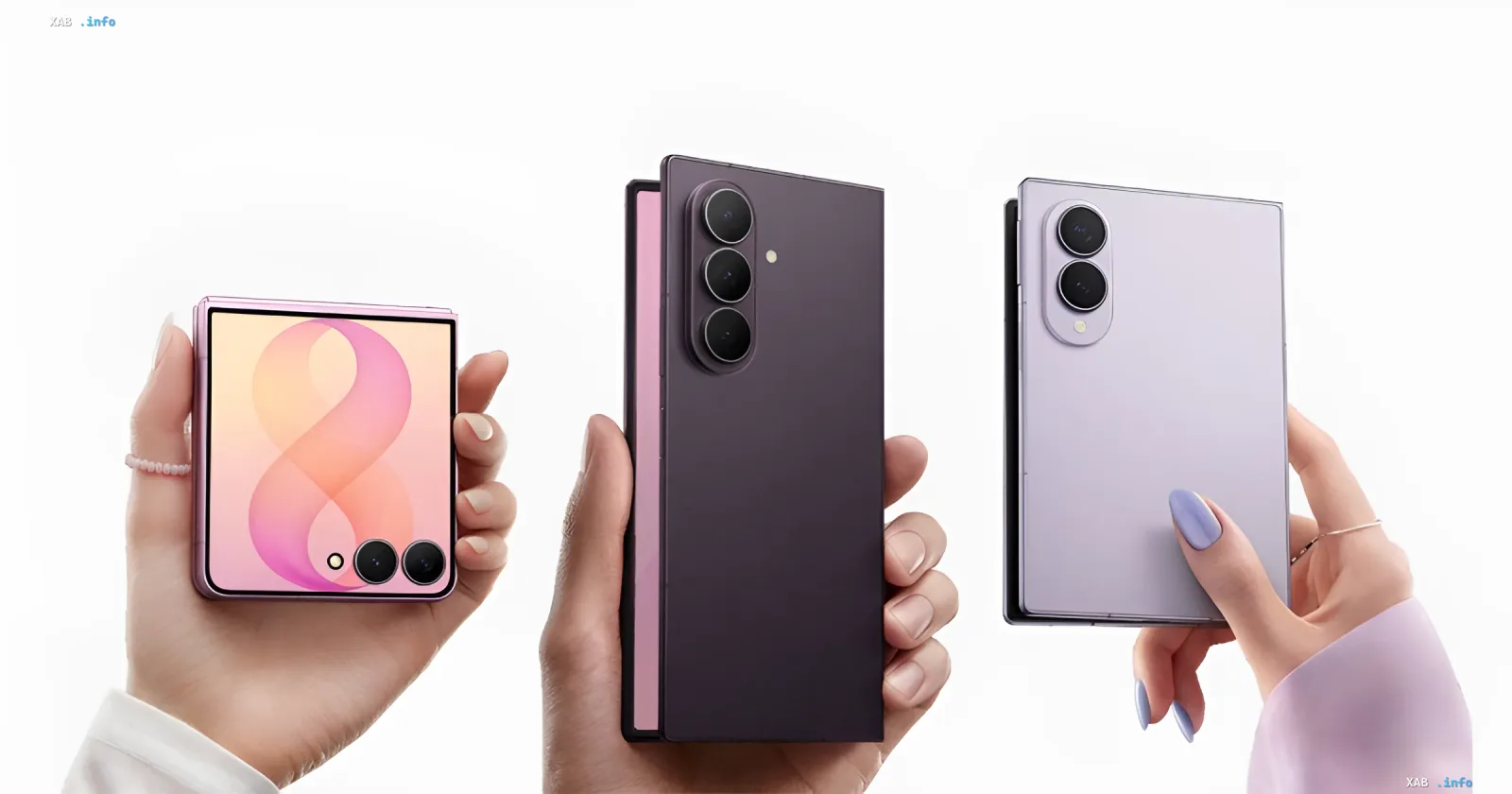
The July Unpacked event in London concluded with Samsung unveiling a major update to its foldable device lineup. Three smartphones were released at once — the Galaxy Z Fold 8 Ultra, Galaxy Z Fold 8, and Galaxy Z Flip 8 — along with new smartwatches and glasses. The gadgets are already available for pre-order, with sales set to begin on August 7.
A New Era of Foldable Devices
The centerpiece of the presentation was the introduction of the Ultra model. The Galaxy Z Fold 8 Ultra is the first device in the series to bear this name and is positioned as the thinnest representative of the lineup: the body thickness when unfolded is just 4.1 mm, weighing 215 grams. Inside the flagship is an 8-inch display, while the exterior features a 6.5-inch screen. The camera system boasts a powerful 200 MP sensor capable of recording video in 8K resolution. The starting price for this model is $2,099.
Design and Functional Changes
The standard Galaxy Z Fold 8, priced at $1,899, deserves special attention. This is not just an evolutionary update but a new form factor: the smartphone has become shorter and wider, making it more convenient for content consumption and use by beginners. In its folded state, it is 9 mm wider than the Ultra version, and the aspect ratio of the internal screen is 4:3. Unlike the Ultra version, there is no telephoto lens here.
The classic clamshell is represented by the Galaxy Z Flip 8. The price of the model has risen to $1,199, which is $100 more than last year's version. Inside is a 6.9-inch screen with a 120 Hz refresh rate, and on the outside is a 4.1-inch display. The device weighs 180 grams, making it lighter than both Fold smartphones.
Flex Titanium Technology and Cameras
The main engineering innovation of the lineup is the Flex Titanium technology. A layer of titanium alloy is now placed under the flexible OLED screen. According to Samsung, this solution improves screen support, dampens impacts and pressure, and makes the crease less noticeable. However, it is worth noting that the new models do not have native Qi2 wireless charging support, and a compatible case is still required for magnetic charging.
All three smartphones are united by the powerful Snapdragon 8 Elite Gen 5 for Galaxy chip. In the base configuration, the devices come with 12 GB of RAM and 256 or 512 GB storage. The Fold 8 versions are also available in a top-tier build with 16 GB of RAM and 1 TB of storage. The front cameras on all models are 10 MP wide-angle lenses.
Wearables and Ecosystem
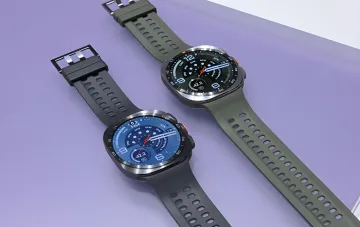
In addition to smartphones, Samsung announced the Galaxy Watch 9 and Galaxy Watch Ultra 2 smartwatches. Both gadgets run on the Snapdragon Wear Elite chip — Qualcomm's first processor for wearables with a dedicated Hexagon neural processor capable of running AI models with two billion parameters. Watch 9 starts at $380, while the Watch Ultra 2 with a screen brightness of up to 5000 nits and an increased battery will cost $700.
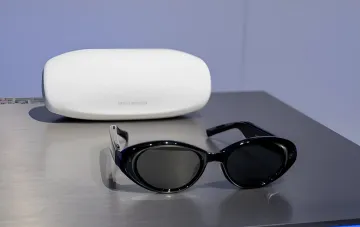
Updated smart glasses created in collaboration with Google, Warby Parker, and Gentle Monster were also presented. They run on the Snapdragon AR1 Gen 1 chip and provide up to nine hours of battery life. The price and exact release date for these models have not yet been announced.
AI Features and Price Increases
Google has prepared a set of AI features based on Gemini for the new smartphones. They include task automation in over 40 apps and the pre-installed Gemini Notebook (previously known as NotebookLM). Separately, Samsung announced the Galaxy Card, offering a 5% cashback on purchases of brand gadgets.
The company explained the significant price increase for the new models by the rising cost of memory chips, which has become a general trend in the industry.