The wearable electronics market is preparing for a new phase of development. Samsung Electronics, joining forces with Google and Qualcomm, has announced the development of the company's first-ever smart glasses. The gadget will be the result of a large-scale collaboration between tech giants and fashion houses, offering users AI-based voice control and an unprecedented level of privacy protection.
Technological Foundation and Design
Unlike many competitors, the first generation of Samsung glasses will not be equipped with built-in displays. The main focus is on functionality and integration with the ecosystem. The device is based on the specialized Qualcomm Snapdragon AR1 Gen 1 platform. It includes the Hexagon (NPU) neural processor, which allows for processing complex artificial intelligence tasks directly on the device, without the need for constant data transmission to the cloud.
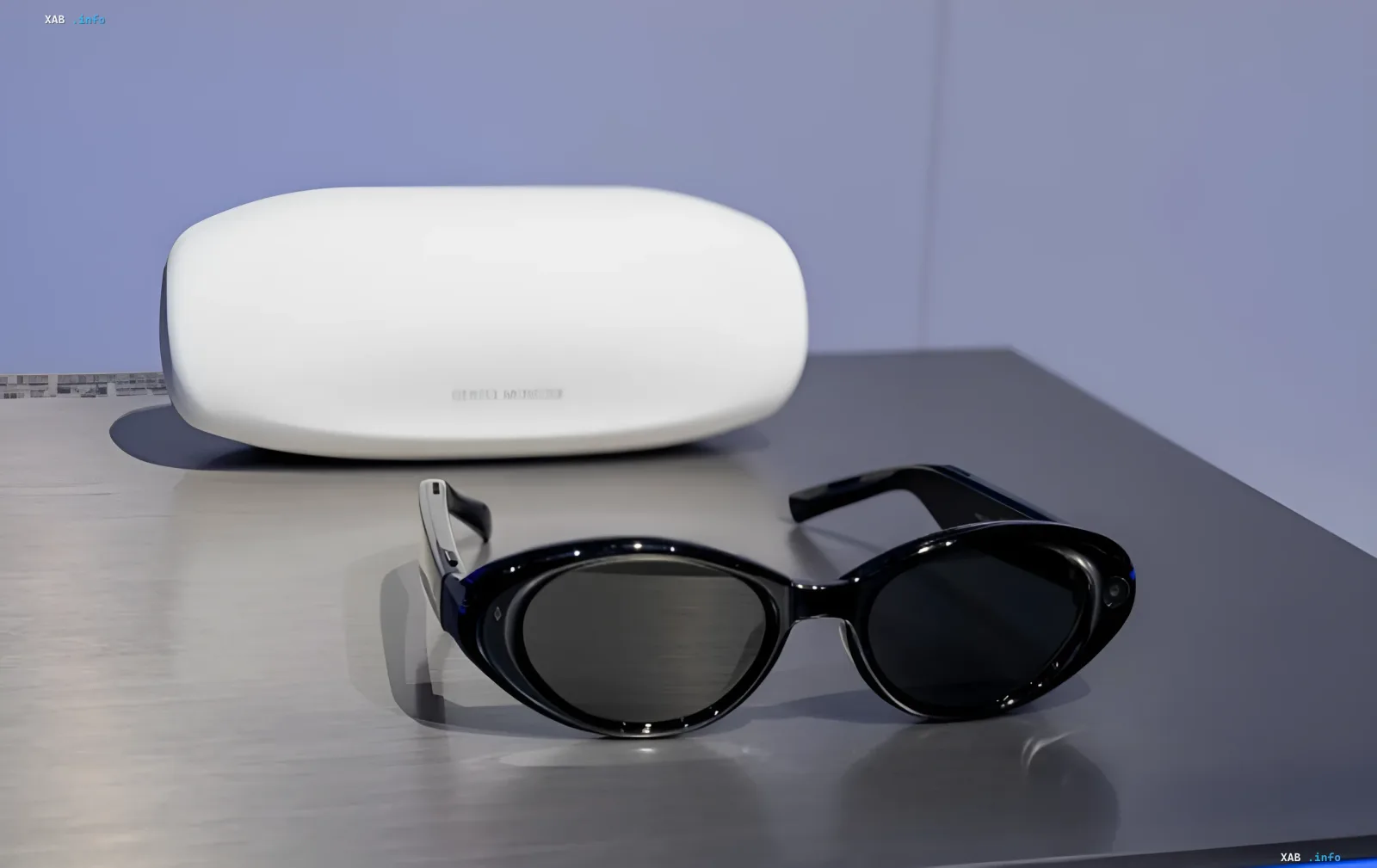
The appearance of the gadget, intended to become an everyday accessory, was developed by renowned brands Warby Parker and Gentle Monster. The glasses' frame has undergone rigorous testing for resistance to water, heat, humidity, sweat, and sunscreen, ensuring reliability under various operating conditions.
Functionality and Battery Life
Key features of the device will include voice control via the Google Gemini assistant, visual search, and real-time language translation. To ensure stable connectivity with smartphones and other Galaxy ecosystem devices, modern wireless modules Wi-Fi 7 and Bluetooth 5.3 are provided.
The autonomy issue is solved by an optimized battery designed for 9 hours of intensive use on a single charge. Additionally, the package includes a case capable of providing up to 7 full recharges, allowing users to wear the glasses for several days without searching for a power outlet.
Fighting Privacy Violations
Samsung's entry into the smart glasses market comes amid criticism of Meta Platforms, whose devices are often accused of unauthorized filming of passersby. To avoid similar scandals and build user trust, Samsung has implemented a comprehensive set of hardware and software restrictions.
The device is equipped with an LED indicator that must light up during recording. If the indicator is covered or taped over, the app automatically blocks the camera, making covert filming impossible. Furthermore, the company has officially committed to not using user audio recordings, screen broadcasts, and video data to train its AI models.
Future Plans
According to Jaeyun Choi, Vice President of Samsung's Mobile Experience division, the company has already patented more than 200 technologies for this category of devices, and only a portion of them have been implemented in the first version. Samsung plans to announce the exact model name, sales launch date, and price of the smart glasses in the fall.