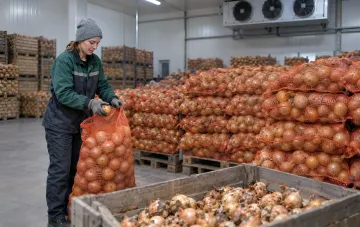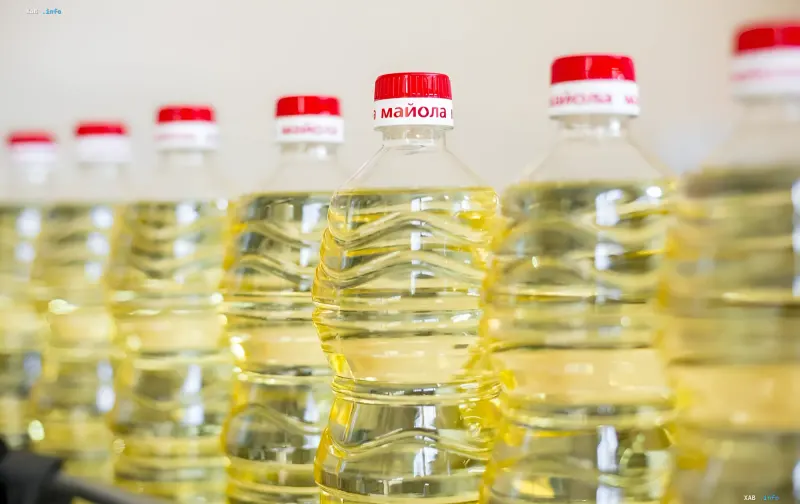
The Cabinet of Ministers of Ukraine has introduced priority transportation for vegetable oil by rail and through ports. According to the authorities, the decision is intended to support exports, ensure foreign currency earnings, and maintain the uninterrupted operation of processing enterprises under martial law. We examine why this mechanism was introduced, who it affects, and what limitations it contains.
Logistical Pressure and the Risk of "Full Tanks"
Ukrainian agricultural exports operate under conditions of limited logistics capacity. Due to complications in the operation of sea ports, a significant burden has shifted to alternative routes—Danube ports, railways, and road crossings. In such conditions, it is important not only to find opportunities for cargo transportation but also to ensure the rhythmic operation of the enterprises that produce it. One of the reasons for introducing priority status is the risk of finished product accumulation due to logistical constraints: according to Stepan Kapshuk, General Director of the Ukroliyaprom association, oil extraction plants can usually store produced oil in volumes not exceeding one week of production. If finished products cannot be shipped on time, tanks fill up, and during prolonged delays, enterprises risk reducing or halting processing even if they have the raw materials for further production.
What This Means for Farmers and the Production Chain
Agricultural producers also feel the consequences of logistical disruptions. Processing plants purchase sunflower, soybean, and rapeseed seeds from Ukrainian farms, so if export problems force companies to limit production, this can affect raw material purchasing volumes and payment terms with suppliers. The rhythmic operation of processing is also important for employment and related sectors—rail transport, port services, storage, and maintenance of production facilities. Thus, the issue of oil export concerns not only the speed of delivery of finished products but the entire production chain.
How the Mechanism Works and Its Boundaries
According to the specialized publication Latifundist.com, the experimental procedure provides priority for vegetable oil during transportation and individual stages of export logistics. It operates under martial law, and the duration of the experiment must not exceed two years. At the same time, priority does not mean the abolition of existing railway tariffs or port dues, nor does it provide grounds to interrupt ongoing cargo operations with other vessels or demand the release of occupied berths: the point is to change the queue where possible, rather than create additional port or railway capacities. The list of products covered by the mechanism includes vegetable oil—sunflower, soybean, and rapeseed—but excludes meal and cake. This takes into account market discussions: previously, the Ukrainian Agrarian Council objected to the priority export of meal and cake due to their importance for Ukrainian animal husbandry and risks to the logistics of other cargo, and subsequently the Ukroliyaprom association also dropped its demand to extend the logistics priority to these products.
Economy: Why Oil is a Currency Locomotive
Agricultural products remain one of the key sources of foreign currency revenue for the country. According to the State Customs Service, in 2025 Ukraine exported goods worth $40.3 billion, of which $22.5 billion came from food products—more than half of total merchandise exports (for comparison, metal exports and products thereof amounted to $4.7 billion). Within the agricultural sector, oilseed processing plays a significant role: exporting finished oil allows generating currency revenue not only from selling raw materials but also from products manufactured by Ukrainian enterprises, which supports plant operations, creates demand for domestic seeds, and ensures the workload of companies transporting, storing, and handling products. According to calculations provided in the justification of the government decision, exporting one ton of oil provides on average about $1,300 in currency receipts, whereas a ton of corn or wheat yields about $220. This comparison concerns the value of the exported products rather than the manufacturer's net profit or the amount of taxes paid, and it is this difference that explains why the state is giving oil priority in export logistics.