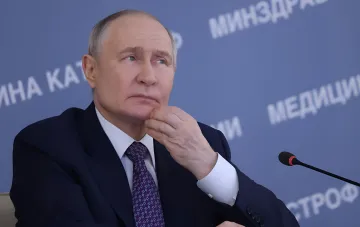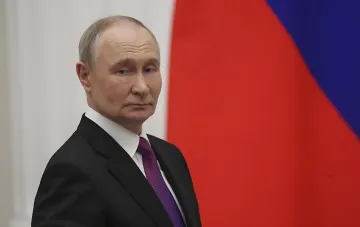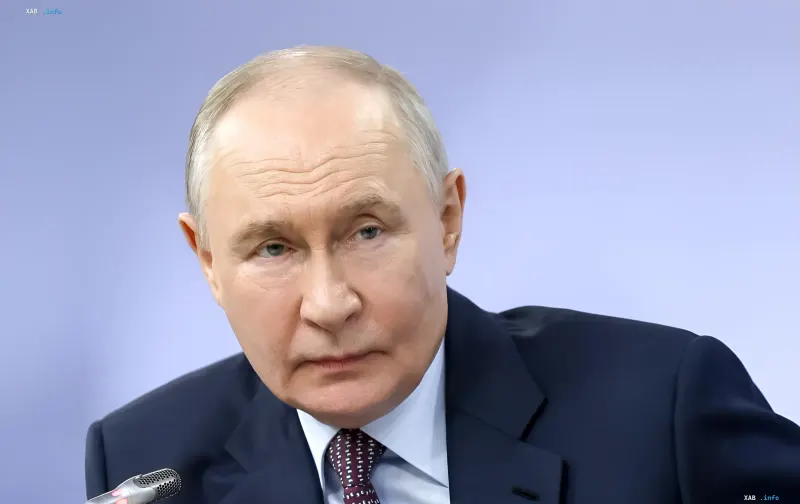
In a recent speech, Vladimir Putin once again outlined Moscow's position on resolving the conflict with Ukraine, stating that the key agreements on ending the war must be reached directly by the two parties involved, while other states can only provide assistance. This was reported by RBC-Ukraine, citing TASS.
"Russia and Ukraine Must Reach an Agreement"
According to the Kremlin leader, it is Moscow and Kyiv that bear the primary responsibility for resolving the crisis, while external participants can only "support and help." "Is that the wrong approach? I believe it is the right one. Russia and Ukraine must, above all, reach an agreement between themselves, and all other countries are ready to support and help, and not only the United States but also the countries present here," Putin said, emphasizing that "this problem" must be solved by the two capitals themselves.
Assessment of Prospects
In response to a question about the likelihood of a peaceful outcome, the Russian leader expressed confidence that the possibilities for an agreement remain. "Are there chances? In my view, yes, there are," he concluded, thereby publicly confirming Moscow's readiness to discuss a cessation of hostilities, albeit within the framework of its own vision of the negotiation format.
Context: The Narrative of "Negotiators"
The statement came against the backdrop of Putin's earlier remarks claiming that Russia allegedly refrains from striking Ukraine's governing bodies because Moscow "needs negotiators who will not bring Russia to its knees." Such rhetoric, observers note, allows the Kremlin to simultaneously demonstrate readiness for dialogue while maintaining military pressure.
Moscow's Position at the UN
Meanwhile, Russia's representative to the UN, Vasiliy Nebenzia, stated that the Kremlin is ready to continue the war if Ukraine does not recognize the seized territories and does not agree to Moscow's demands. Thus, public signals about "chances" for a deal are combined with the strict conditions put forward by the Russian side on international platforms.
Contradictory Data
There is a notable internal inconsistency in the Russian side's statements. On the one hand, Putin claims there are "chances" for a peaceful agreement and asserts that Moscow is interested in preserving Ukrainian negotiators. On the other hand, Nebenzia openly speaks of readiness to continue the war if Kyiv does not accept Moscow's dictate, and the narrative of "restraint from strikes" is not confirmed by independent sources and contradicts the facts of ongoing attacks on Ukrainian infrastructure and governing bodies. The differences in wording between the rhetoric of "chances" and the ultimatum-like conditions at the UN leave open the question of the Kremlin's real readiness for compromise.
In the end, Moscow's position remains ambivalent: public promises of "chances" for a deal coexist with ultimatum-like demands and readiness for escalation. For Kyiv and international partners, the key remains to compare words with actions on the battlefield and in diplomatic channels.