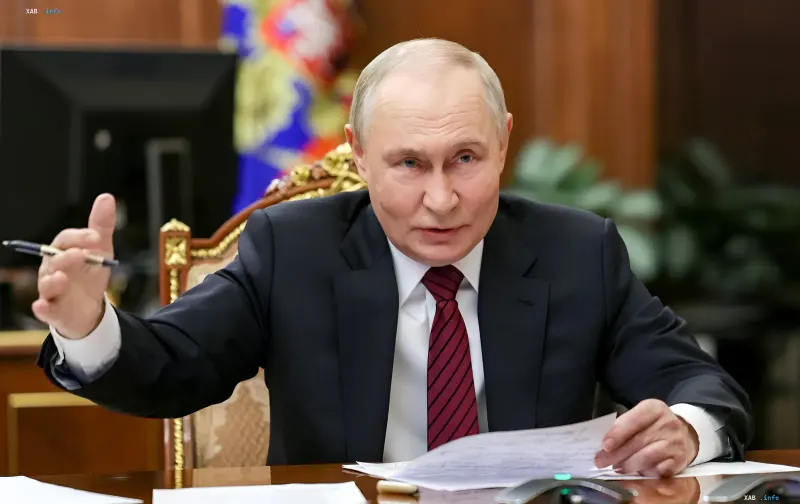
Vladimir Putin has made a series of statements regarding the North Atlantic Alliance, describing recent correspondence and diplomatic signals to Western countries not as a tool of pressure, but as a forced response. According to the Russian leadership, such actions are meant to counter alleged attempts by the NATO bloc to intimidate Moscow.
Context of Statements and Moscow's Position
During his public speech, the Russian leader elaborated on the nature of relations with Western partners. He stressed that diplomatic and military-political messages sent to the Alliance headquarters do not pursue escalation, but serve exclusively as a mirror response to threats to Russia's security that the Kremlin perceives in the bloc's actions.Threat to Kaliningrad and Potential Response
Special attention in Putin's speech was paid to potential scenarios of direct military clash. He openly threatened that in the event of a direct attack on the territory of the Russian Federation, including the strategically important Kaliningrad enclave, Moscow would immediately employ its entire arsenal of weapons without any exceptions.NATO Reaction and Expert Assessment
The Kremlin's statements came against the backdrop of the ongoing use of the confrontation narrative with the West to justify domestic and foreign policy. In turn, NATO leadership, particularly Secretary General Mark Rutte, has repeatedly emphasized that the Russian leader is fully aware of the impossibility of winning a direct conflict with the Alliance, and Moscow's nuclear threats are viewed by experts as part of an information campaign and geopolitical blackmail.