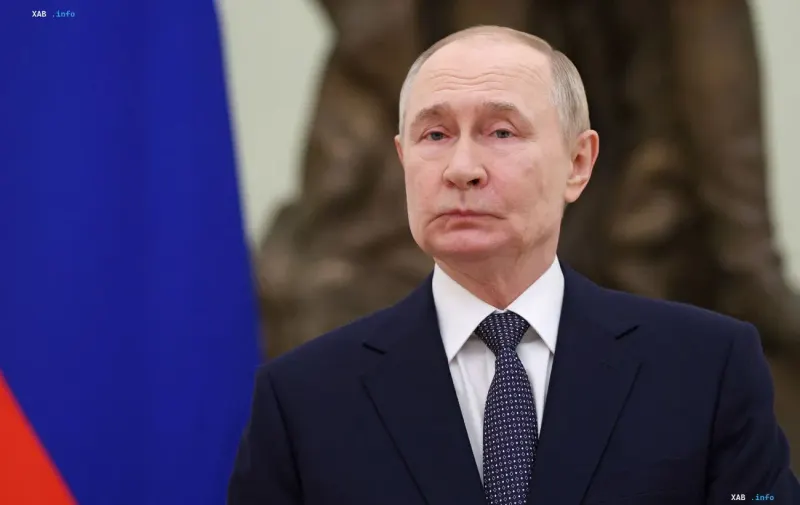
Russia intends to use a potential new round of negotiations to end the war against Ukraine to extract major geopolitical concessions from Western countries. According to diplomatic sources, Moscow may demand a reduction in the military presence of the North Atlantic Alliance in Europe to the 1997 configuration, which would affect Eastern European states and newer members of the bloc.
Diplomatic Context and Moscow's Position
Russian presidential foreign policy advisor Yuri Ushakov previously stated that European nations must join the negotiation process between Russia, Ukraine, and the United States. According to him, Europe will play an important role in achieving sustainable agreements. However, Western diplomatic sources note that the Kremlin's true interest in an expanded format lies in attempting to achieve a revision of the security architecture in Europe.
Moscow's main demand within such consultations could be the return of NATO troops and infrastructure to their 1997 positions, prior to the Alliance's large-scale eastward expansion. Such conditions would potentially require the withdrawal of NATO forces from Poland, the Baltic states, and Finland, which joined the bloc in 2023. The Russian leadership has repeatedly called the Alliance's expansion a key root cause of the launched conflict.
Reaction of Western Allies and Kyiv
European officials and diplomats emphasize that the position of Western countries on core security principles remains unchanged. Western government representatives recall the position officially voiced back in January 2022 in response to similar Kremlin demands. At that time, the Alliance expressed readiness to discuss individual security issues but categorically rejected demands to dismantle military infrastructure and withdraw forces from the Eastern European region.
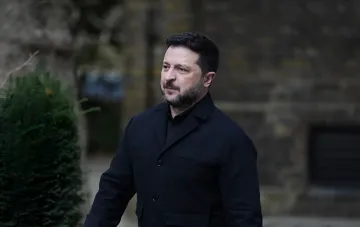
Ukrainian President Volodymyr Zelenskyy previously suggested that Moscow's agreement to resume peace discussions might be driven by backstage agreements with the United States, the details of which remain unknown to Kyiv. In particular, Western media previously reported possible discussions on joint economic projects between representatives of Washington and Moscow.
The introduction of ultimatum-like demands regarding the return of NATO to its 1997 borders significantly complicates any prospects for achieving a compromise peace agreement. Ukraine's Western allies are not prepared to dismantle the collective defense system on the Alliance's eastern flank simply to satisfy Kremlin demands. The further development of the situation will depend on the parties' willingness to find real common ground or on an escalation of diplomatic and military confrontation.