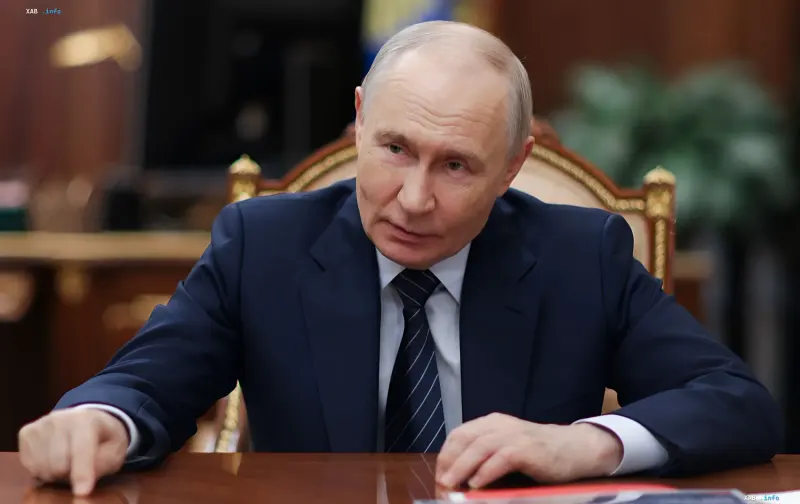
Russian President Vladimir Putin delivered a speech at the inaugural session of the State Duma of the 9th convocation, making a series of loud statements regarding long-term planning and the need to create reliable security guarantees for the country for generations to come. Such statements were made against the backdrop of ongoing full-scale aggression against Ukraine and Moscow's growing international isolation.
Statements on Sovereignty and Domestic Policy
During his address, the Kremlin leader once again attempted to convince the gathered deputies and citizens that the Russian people supposedly cannot be intimidated or broken by external pressure. Putin focused on the responsibility of the new parliament composition to voters, implicitly acknowledging serious problems in the social sphere and the domestic economy before ordering relevant agencies to step up efforts to overcome them.
Rhetoric Surrounding Occupied Territories
The Russian leader paid special attention to the situation in seized Ukrainian territories, cynically calling the pseudo-referendums in the Donbas and the so-called 'Novorossiya' a conscious and lawful choice of local residents. He also claimed that the entire country is supposedly involved in recovery programs for these regions, and that the new State Duma deputies, whom he dubbed 'SVO veterans', have proven their loyalty to the state.
Contradictory Data
Significant discrepancies exist in the assessments of Russia's actual economic state and security goals. On one hand, Moscow officials and Putin himself claim the country's financial system is resilient and confidently withstanding Western sanctions. On the other hand, independent economic experts and international analysts point to deep structural problems, budget deficits driven by militarization, and mounting inflationary risks that undermine the regime's long-term stability.
Economic Stability and Threats to the West
Concluding the economic segment, Putin demanded that the government and deputies maintain macroeconomic stability and avoid so-called 'destructive populism' in budgetary policy. Meanwhile, analysts note that alongside rhetoric about domestic well-being, the Kremlin continues to use traditional nuclear blackmail methods and issues threats against Western countries, showing no willingness for constructive dialogue.