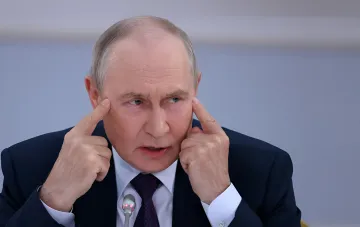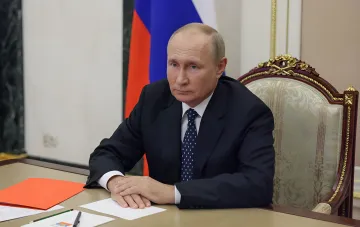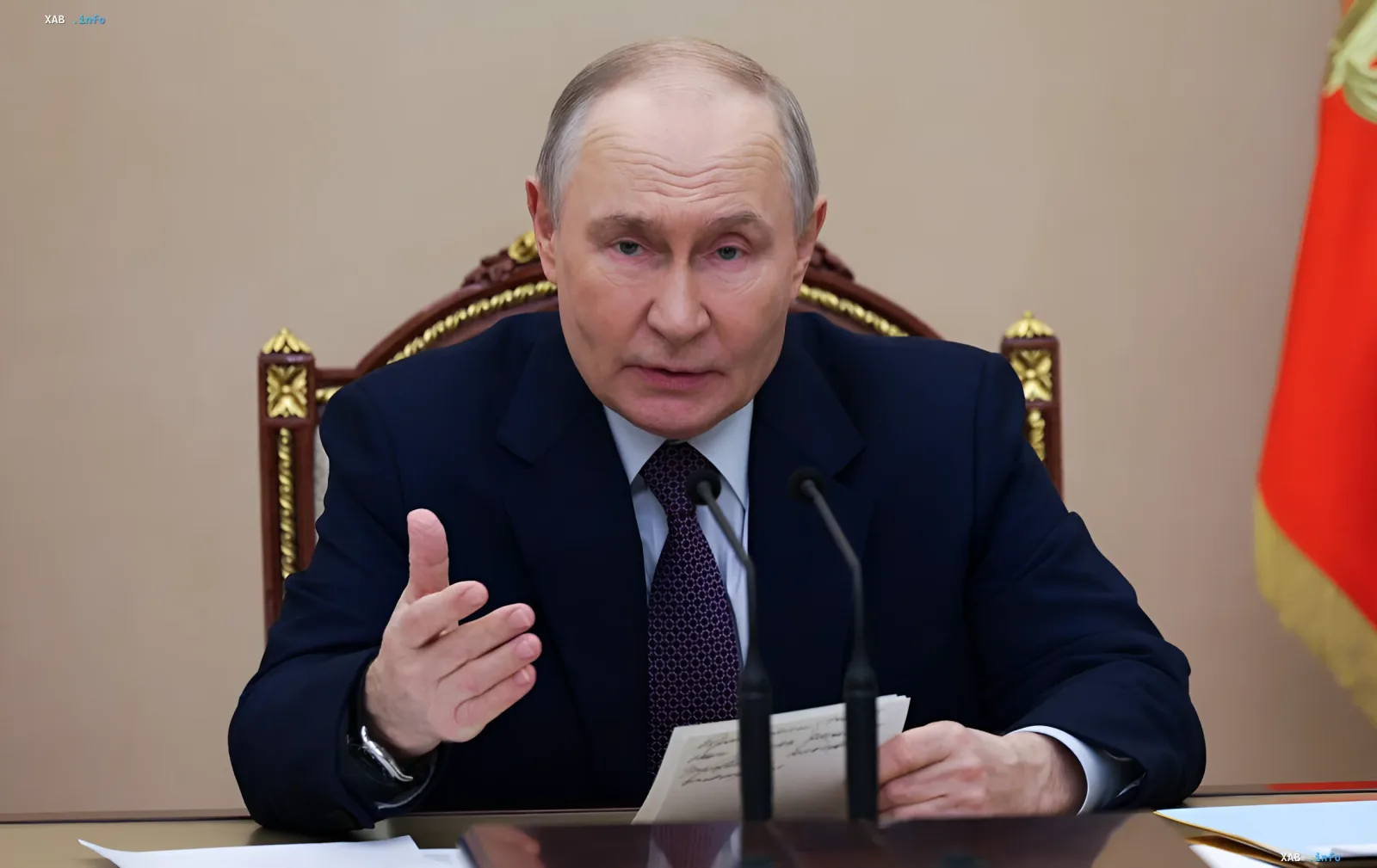
Vladimir Putin signed a decree that, for the fourth time since the start of the full-scale invasion of Ukraine, expands the staff of the central apparatus of the Federal Protective Service (FSO). According to the document, the maximum number of employees of the FSO's central apparatus is increased from 785 to 812. This is reported by RBC-Ukraine, citing The Moscow Times.
Fourth expansion in four years
As the publication notes, over four years the number of FSO employees involved in ensuring the security of the head of state has grown by nearly 100. If before the start of the full-scale invasion the service's central apparatus had not been expanded for almost 13 years, now its staff is being increased regularly — for the fourth time during this period. In the assessment of observers, such a pace reflects the restructuring of the protection system around the country's top leadership under wartime conditions.
What exactly the decree changed
The new document sets the maximum number of personnel in the FSO's central apparatus at 812, instead of the previous 785. Thus, under the latest decision the staff is increased by 27 positions, but taken together with the previous three expansions, the growth over four years approaches one hundred employees. The decree was signed personally by the president and enters into force in the established manner.
Context: from 13 years of stability to regular changes
Before 2022, the size of the FSO's central apparatus had remained unchanged for almost 13 years, which spoke to the stability of the structure. The series of adjustments that began after the invasion — the fourth expansion in four years — shows that the parameters of the security service for the top tier of power have become one of the tools for adapting to the new conditions. RBC-Ukraine notes that the decision to escalate the conflict is driven, among other things, by internal reasons, and that Putin's key objective remains the preservation of his own power and life.
Link to the rhetoric on “ending the conflict”
The expansion of the FSO apparatus is taking place against a backdrop of contradictory signals in the diplomatic arena. Earlier, RBC-Ukraine reported that Putin told Indian Prime Minister Narendra Modi that Russia was allegedly moving along the path of ending the “Ukrainian conflict,” while Modi, in his conversation with Putin, emphasized that the world must finally choose to end the war. The parallel strengthening of security structures clearly shows the gap between public rhetoric and the actual personnel decisions within the country.
Wording limitations: the FSO apparatus and personal security
It is important to note a nuance: the official document refers to the expansion of precisely the FSO's central apparatus, not to the number of the president's personal security detail alone. Some Russian and Ukrainian media outlets (including Korrespondent and RBC-Ukraine) reduce this in their headlines to “Putin's bodyguard staff,” which oversimplifies the essence of the document. Nevertheless, it is precisely the FSO's central apparatus that ensures the direct security of the head of state, so the growth of its staff is logically interpreted as a strengthening of protection.