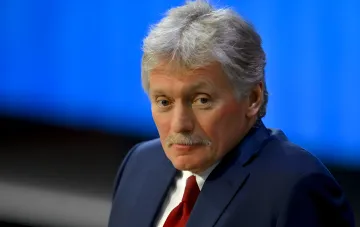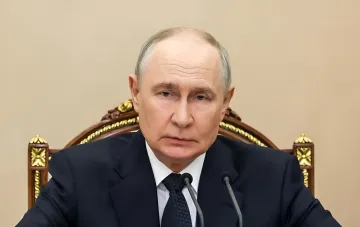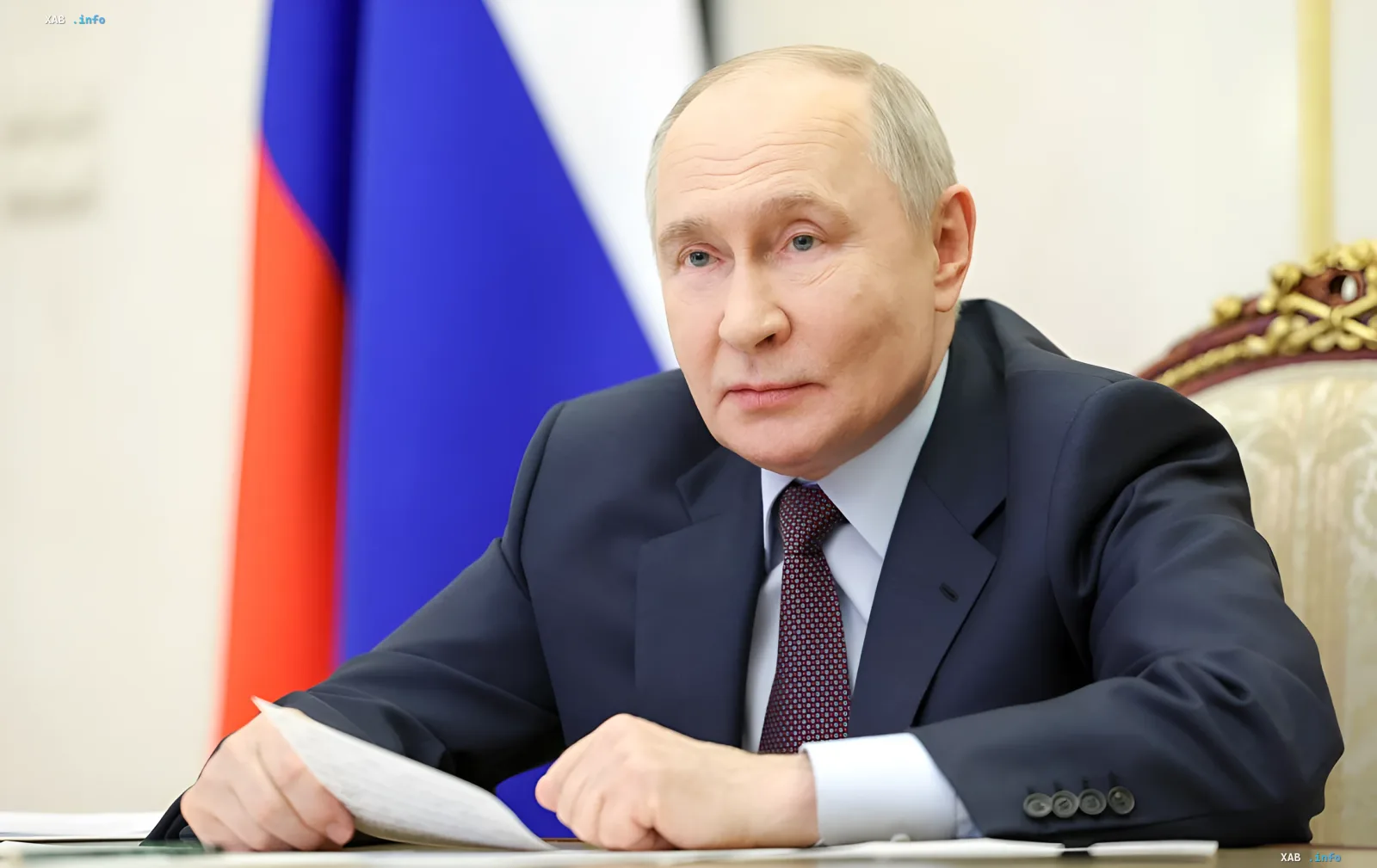
At a meeting of the Military-Industrial Commission, Russian President Vladimir Putin made a sharp statement directed at the Ukrainian side, accusing it of systematically sabotaging the peace process. According to him, representatives of the Kyiv regime 'talk about peace, propose to resume so-called negotiations, but themselves commit crimes of this kind, doing everything to ensure that there is no peace and no negotiations at all.' Putin also emphasized that Russia 'cannot be intimidated,' linking this to his view that the goal of Kyiv's actions is exclusively a refusal to hold negotiations. The statement came against the backdrop of ongoing hostilities and active diplomatic efforts by third-party mediators.
Context: Kyiv's Repeated Proposals and the Kremlin's Position
Over the past years of the full-scale war, Ukraine has repeatedly proposed peace negotiations to Russia, a ceasefire, and a meeting of leaders on neutral territory. However, according to available data, the Kremlin has regularly refused such formats, insisting on holding the meeting exclusively in Moscow. In addition, Russian officials have made caveats that the meeting would be of a merely formal nature — to summarize an already reached agreement. Thus, Moscow's position, in essence, excluded the possibility of a substantive dialogue on equal terms.
Washington's Diplomatic Activity: Visits by Witkoff and Kushner
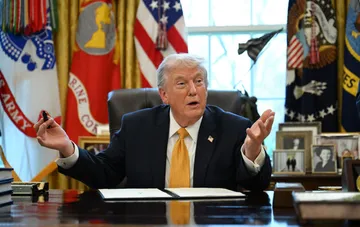
Despite the mutual accusations, the peace process between the parties may resume. About a week ago, special envoys of U.S. President Donald Trump, Steve Witkoff and Jared Kushner, visited both Moscow and Kyiv. According to the head of the Ukrainian Security Service, Kyrylo Budanov, a new round of settlement negotiations is planned for October in a trilateral format — with the participation of representatives of Ukraine, Russia, and the United States. This could be the first such format for the entire duration of the conflict.
Washington's View: Separate Agreements as a Path to Peace
The U.S. Permanent Representative to NATO, Matthew Witkower, stated that at this stage Ukraine and Russia cannot reach a comprehensive agreement and end the war. At the same time, he noted that bringing the parties closer to the end of hostilities is possible through a series of separate ceasefire agreements. As a specific example, he cited a halt to strikes on energy infrastructure. In addition, according to The New York Times, the Trump administration is considering the possibility of concluding separate deals with Russia even before the end of the war in Ukraine, in order to thereby encourage Moscow to stop the hostilities.
Contradictory Data
There is a notable discrepancy between the statements of Russian officials and the actual diplomatic picture. On the one hand, Putin claims that it is Ukraine that does not want negotiations and is 'doing everything' to prevent peace. On the other hand, over the years of the war, Ukraine has repeatedly initiated proposals for a peaceful dialogue, including meetings on neutral territory, while the Kremlin has consistently refused such formats. Moreover, American mediators — both Witkower and Witkoff with Kushner — effectively acknowledge that both sides are not ready for a full settlement, but see the possibility of progress through partial agreements. Thus, the thesis of 'unilateral sabotage' by one of the parties is not borne out by the actions of the mediators themselves, who are working with both sides simultaneously and are planning a trilateral format for October.