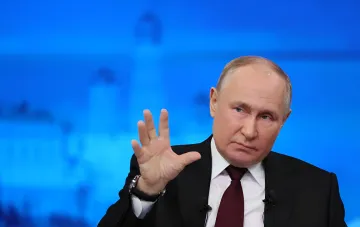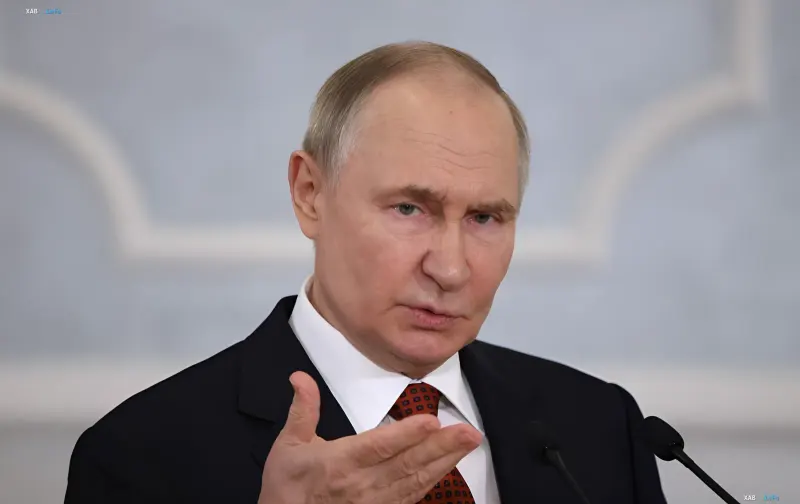
The meeting between Russian President Vladimir Putin and Kazakh President Kassym-Jomart Tokayev in Omsk, held on July 25 as part of the Russia-Kazakhstan forum on interregional cooperation, provided the Kremlin with an opportunity to reaffirm its hardline stance on the Ukrainian conflict. According to a report by the Institute for the Study of War (ISW), the Russian leader used this diplomatic contact to publicly justify the necessity of continuing military operations.
Rejection of a 'freeze' of the conflict
During the negotiations, Kassym-Jomart Tokayev voiced a proposal, which he termed his personal opinion: to freeze the front line and return to negotiations in a format reminiscent of the Istanbul agreements. The head of Kazakhstan noted that he is being asked to mediate, as many find it difficult to understand the causes and course of the war.
However, Moscow's reaction was unequivocal. Presidential press secretary Dmitry Peskov stated that Putin explained the situation on the front in detail to Tokayev, noting the impossibility of 'freezing' the current line of contact. According to the Kremlin representative, Russia 'must achieve its goals on the battlefield'.
Ultimatum to Kyiv and Moscow's demands
Instead of a compromise, the Kremlin reiterated its standard thesis: hostilities could cease 'by the end of today' if Ukraine 'makes the appropriate decisions'. ISW analysts emphasize that by these 'decisions', Russian officials imply capitulation to maximalist demands.
Moscow's list of conditions includes:
- Recognition and transfer of control over the Donetsk, Luhansk, Zaporizhzhia, and Kherson regions even before the start of peace negotiations;
- Absence of guarantees that even after fulfilling these conditions, a substantive peace agreement will follow.
Internal agenda and signal to society
Experts point to the context in which the rejection of peace initiatives was voiced. Vladimir Putin is facing declining approval ratings, economic difficulties, and rising losses with minimal achievements on the front. Meanwhile, the tactics of waging war remain similar to those applied since the beginning of the invasion in 2022.
According to analysts, the meeting with Tokayev became a convenient platform for the Kremlin to transmit a signal to Russian society: citizens must be prepared to bear the costs of a prolonged war. Thus, the rejection of a 'freeze' became a tool of internal propaganda, justifying further mobilization of resources.
Ukraine's reaction
Kyiv reacted positively to Tokayev's initiative. Acting Head of the Ministry of Foreign Affairs Andriy Sybiha called the Kazakh leader's proposal 'realistic, timely, and wise'. The Ukrainian ministry reminded that Kyiv had previously offered to stop the war along the current front line and move to a diplomatic settlement, however, Moscow insists on military methods to resolve the conflict.