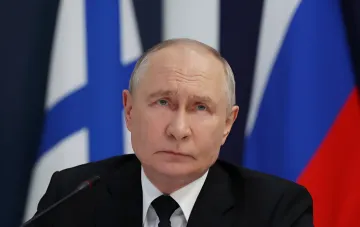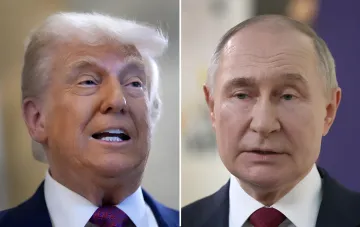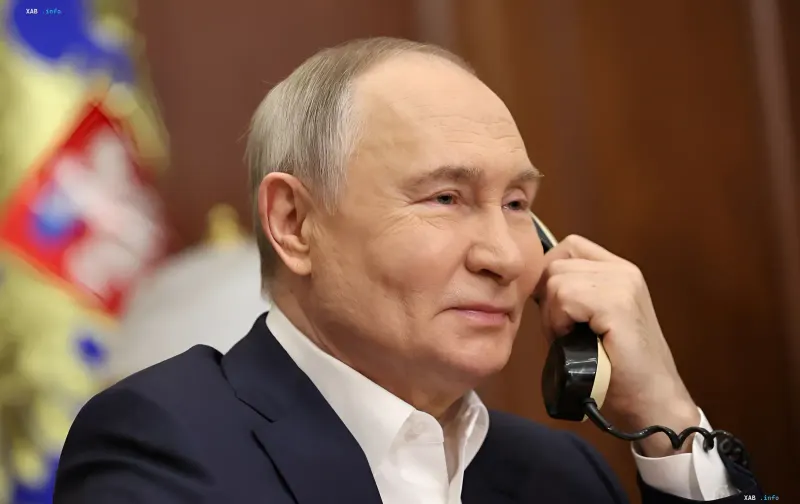
Against the backdrop of ongoing attempts at a diplomatic settlement, analysts' attention has been drawn to the phone conversation between Vladimir Putin and Donald Trump, which took place on September 8. According to an assessment by the Institute for the Study of War (ISW), cited by RBC-Ukraine, the Russian leader likely presented his American counterpart with a distorted picture of what is happening on the front, in an effort to push the United States to increase pressure on Ukraine.
Context of the call
As Russian presidential aide Yuri Ushakov reported, the conversation between Putin and Trump lasted about an hour and, according to several media outlets, was strictly confidential. The call took place against the backdrop of the recent trip by U.S. special envoys Steve Witkoff and Jared Kushner to Moscow and Kyiv, the outcomes of which the two sides also discussed by phone. According to Ushakov, Putin gave Trump a detailed account of his assessment of the battlefield situation and listed the steps that, in Moscow's view, could help bring the war to a swift end.
ISW's assessment: systematic distortion
The Institute for the Study of War believes that the picture Putin likely conveyed was substantially distorted due to systematic disinformation from the Russian military leadership. Analysts emphasize that the Kremlin chief regularly makes exaggerated claims about the advance of Russian forces, creating the impression of their constant and inevitable success. In ISW's view, it was precisely this interpretation of events that may have been used in the conversation with Trump to persuade the American president to intensify pressure on Kyiv and secure its agreement to Russian terms.
Contradictory data
Here it is important to distinguish between two versions. According to Ushakov, the Kremlin presents the conversation as a substantive and focused exchange of assessments: Putin allegedly "detailed" his picture of the front and specific proposals for ending the conflict. ISW, by contrast, characterizes the same body of information as systematically distorted and based on disinformation from the military command. Thus, the discrepancy concerns not the fact of the call itself, but the interpretation of its content: for Moscow, it is an argumented position; for Western analysts, an attempt to impose a false dynamic of the front.
Reaction and further context
After the negotiations, similar talking points continued to be voiced by other Kremlin representatives. ISW notes that Moscow continues to insist on its previous terms, despite noticeable changes in the battlefield situation in Ukraine's favor. The institute had previously pointed out that Russia shows no readiness to substantially change its demands in order to end the war and expects to achieve its goals primarily through the continuation of combat operations. Against this backdrop, the phone contact between the leaders is viewed by analysts not as a step toward compromise, but as a tool for pressuring Kyiv through Washington.