Oxygen, the fundamental element supporting almost all multicellular life on the planet, is rapidly disappearing from aquatic ecosystems. In a new review published on June 30 in the prestigious journal Limnology and Oceanography, a group of scientists warns of a growing crisis caused by human activity. Researchers are calling for the official inclusion of water body deoxygenation into the planetary boundaries framework—a concept defining the safe operating limits of human impact on the biosphere.
The Planetary Boundaries Framework Under Threat
The concept of planetary boundaries was first introduced in 2009 by a group of 28 scientists. It identifies nine key processes, the disruption of which threatens the stability of the Earth. These include climate change, ocean acidification, loss of biodiversity, ozone layer depletion, and chemical pollution. To date, seven of the nine boundaries have already been crossed.
Lead author of the study, Erica Ferrer, a postdoctoral fellow at the National Center for Ecological Analysis and Synthesis at the University of California, Santa Barbara, emphasizes the systemic nature of the threat. According to her, the health of aquatic ecosystems is critical for the stability of the entire planet, and deoxygenation does not act in isolation, amplifying other negative processes.
The Physics and Chemistry of Ocean Suffocation
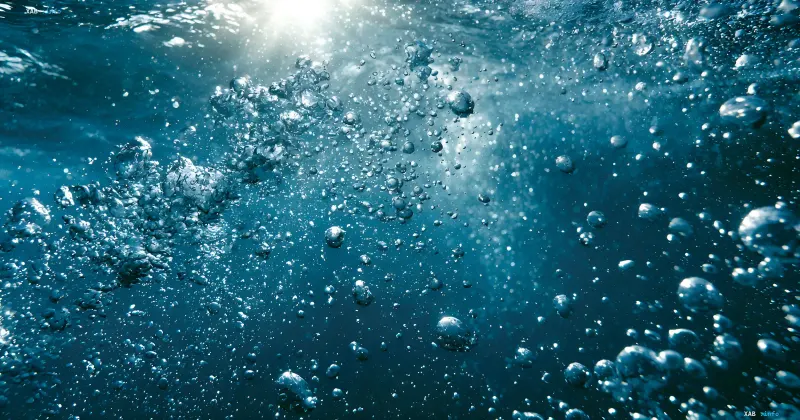
It is important to understand the difference between oxygen in the water molecule (H2O), which is unavailable for respiration, and dissolved oxygen (O2), which is vital for aquatic inhabitants. The situation is exacerbated by two main factors.
The first is global warming. As the Earth's average temperature rises, water bodies heat up. Warm water physically holds less dissolved oxygen than cold water. Furthermore, warm surface layers create a barrier that prevents mixing and the influx of oxygen into deep waters.
The second factor is nutrient pollution. Agriculture, industrial effluents, and stormwater discharge excess nitrogen and phosphorus into water bodies. This triggers massive algal blooms. As the algae die, they decompose, a process that consumes vast amounts of oxygen. Warming and excess nutrients also stimulate microbial activity, which further "eats" the available gas.
Statistics of Irreversible Losses
Data from Copernicus—the European Union's environmental monitoring initiative—shows an alarming trend: since the 1950s, the ocean has lost approximately 2% of its dissolved oxygen. Scientists predict that by the end of the century, losses will amount to another 1% to 7%. Although these figures may seem insignificant, even a slight decrease in oxygen concentration can disrupt the fragile balance of ecosystems and deprive organisms of the ability to survive.
New Indicators and Action Plan
Researchers have concluded that deoxygenation is approaching "unsafe space" with consequences that will likely be irreversible within our lifetime. To monitor the situation, scientists have proposed four indicators to assess the state of the aquatic environment:
- Concentration of dissolved oxygen and the prevalence of zones with critically low gas levels.
- The indicator of how close the water is to its capacity for dissolved oxygen.
- The metabolic index, comparing organisms' oxygen needs with its actual availability.
Including aquatic deoxygenation in the planetary boundaries framework aims not only to draw attention to the growing threat but also to provide humanity with a clear action plan to prevent the collapse of aquatic ecosystems.